

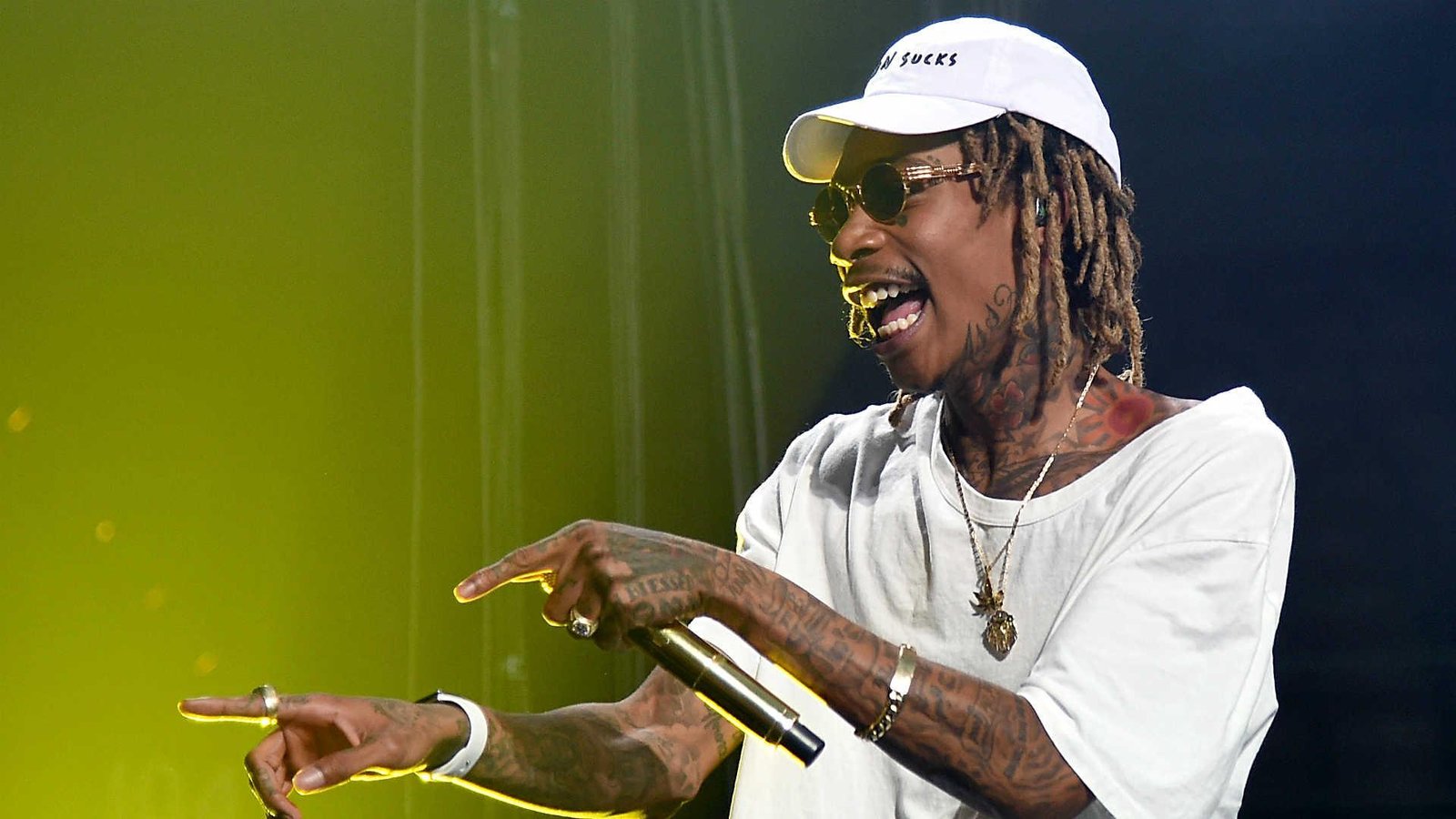
A single song can change an artist’s career, but building long-term wealth takes much more than one lucky hit. Wiz Khalifa is a good example. “Black and Yellow” introduced him to a huge mainstream audience, while “See You Again” turned him into a globally recognized star. He didn’t stop there, though.
Today, Wiz Khalifa net worth is commonly estimated at around $70 million. That number hasn’t been confirmed through audited financial records, so it should be treated as an informed estimate rather than an exact balance sheet. Still, his music catalog, touring fees, Taylor Gang brand, cannabis ventures, merchandise, endorsements, and investments make the figure believable.
His story is interesting because his wealth wasn’t created overnight. It grew from mixtapes, patient audience-building, smart branding, and a willingness to turn his public image into several connected businesses.
What Is Wiz Khalifa’s Estimated Net Worth in 2026?
Wiz Khalifa’s estimated fortune in 2026 is approximately $70 million, according to widely reported celebrity wealth estimates. Some online sources place the number lower or higher, mainly because the full details of his business ownership, taxes, expenses, and private investments aren’t public.
Here’s a quick overview:
| Detail | Information |
| Full name | Cameron Jibril Thomaz |
| Stage name | Wiz Khalifa |
| Date of birth | September 8, 1987 |
| Age in 2026 | 38 |
| Birthplace | Minot, North Dakota |
| Profession | Rapper, songwriter, entrepreneur and actor |
| Estimated wealth | Around $70 million |
| Major hit songs | “Black and Yellow,” “See You Again,” “Young, Wild & Free” |
| Record label | Taylor Gang Entertainment |
| Cannabis brand | Khalifa Kush |
| Main income sources | Music, touring, business ventures, royalties and endorsements |
The $70 million estimate doesn’t mean he has that amount sitting in a bank account. Net worth normally includes cash, property, business interests, investments, valuable assets, and music rights. Debts and other financial obligations are then subtracted.
That distinction matters. A celebrity may control valuable brands and intellectual property while keeping far less money in cash.
How Wiz Khalifa Started His Music Career
Before the hit records and major tours, Wiz was a teenager recording in Pittsburgh. Born Cameron Jibril Thomaz, he moved frequently as a child because both of his parents served in the military. He lived in Germany, Japan, and the United Kingdom before settling in Pittsburgh.
He started writing lyrics at a young age and spent time recording at I.D. Labs. The people around the studio noticed his commitment and gave him room to develop. That early support mattered, but he still had to build an audience almost from scratch.
Wiz signed with the independent label Rostrum Records and released his debut album, Show and Prove, in 2006. The project didn’t turn him into an international celebrity, yet it established him as a serious young rapper in Pittsburgh’s growing music scene.
His early mixtapes were even more important. Projects such as Prince of the City, Flight School, and Kush & Orange Juice helped him develop a loyal online following. Fans weren’t only listening to the music. They were buying into his relaxed personality, fashion, humor, and lifestyle.
That connection later became one of his most valuable business assets.
“Black and Yellow” Created His Mainstream Breakthrough
Wiz’s career reached another level when “Black and Yellow” was released in 2010. The song was built around the colors associated with Pittsburgh’s professional sports teams, giving local fans an immediate reason to embrace it.
But the record didn’t remain a regional anthem. It climbed to number one on the Billboard Hot 100 and introduced Wiz to listeners who had never followed his mixtape run.
The success arrived at exactly the right moment. He had already signed with Atlantic Records, built a recognizable image, and developed an active fan community. Rather than appearing like a completely manufactured new artist, he looked like someone whose underground work had finally paid off.
His 2011 album Rolling Papers followed and debuted at number two on the Billboard 200. It featured popular tracks such as “Roll Up” and “No Sleep,” giving him more than one song to perform on tour.
And that’s important financially. One hit may generate attention, but several recognizable records can keep an artist booked for years.
“See You Again” Became a Global Success
If “Black and Yellow” made Wiz Khalifa a star, “See You Again” made him a global name.
The emotional song, featuring Charlie Puth, appeared on the Furious 7 soundtrack as a tribute to actor Paul Walker. It connected with people far beyond hip-hop and stayed at number one on the Billboard Hot 100 for 12 nonconsecutive weeks.
The track later earned Diamond-level recognition in the United States and received several Grammy nominations. Its music video also became one of the most-watched videos in YouTube history.
A song of that size can produce income through several channels, including:
- Streaming royalties
- Digital downloads
- Radio performances
- Publishing royalties
- Soundtrack licensing
- Public performances
- International usage
Wiz doesn’t personally receive every dollar the song generates. Songwriters, producers, publishers, record labels, featured performers, and other rights holders may all receive a share. Still, being one of the main artists on such a lasting global record creates both direct income and long-term career value.
The song also increased his international booking power. Promoters weren’t hiring only an American rapper anymore. They were booking an artist with a record known across multiple generations and countries.
How Much Does Wiz Khalifa Make From Touring?
Live performances are likely one of the strongest parts of his income.
During a 2025 appearance on The Joe Budden Podcast, Wiz said his show fee could reach as high as $2 million per performance. He also said he charged approximately $250,000 for a guest verse, without including a music video appearance.
Those numbers shouldn’t be mistaken for pure profit. A major concert involves managers, agents, musicians, dancers, security, production workers, transportation, accommodation, insurance, and taxes. The final amount an artist keeps can be considerably lower than the headline fee.
Even so, the earning potential is enormous. Wiz has a deep enough catalog to headline shows, appear at festivals, and tour alongside other established performers. Songs like “We Dem Boyz,” “Work Hard, Play Hard,” “Young, Wild & Free,” and “See You Again” give casual listeners plenty of moments they recognize.
His partnership with Snoop Dogg has been especially useful. The two have released music, appeared in a film together, and toured as a natural pairing. Their audiences overlap, but each artist also brings different age groups and fans into the venue.
Explore Our Latest Blog Posts: Sharemyideaz
Music Streaming and Royalties Still Matter
Streaming payouts can look small when considered one play at a time. At Wiz Khalifa’s scale, though, millions or billions of plays across platforms can form a meaningful income stream.
His older songs continue reaching new listeners through playlists, social media clips, films, radio, and collaborations. This gives his catalog a long life. A teenager who first hears “See You Again” today may later explore Rolling Papers, Kush & Orange Juice, or his work with Snoop Dogg.
Music income may come from both master recordings and publishing rights. Master royalties relate to the recorded version of a song, while publishing income is tied to its composition. The amount Wiz receives depends on the rights he owns and the terms of each agreement.
He has also maintained a steady release schedule. New albums and mixtapes may not always match the commercial peak of his biggest singles, but they keep fans engaged. Fresh releases can lead to tours, merchandise sales, renewed streaming activity, and brand partnerships.
His Music Catalog Deal Added Another Major Income Event
In 2023, investment company HarbourView Equity Partners acquired select recorded music and publishing assets from Wiz Khalifa. The portfolio included interests connected to major songs such as “Black and Yellow” and “See You Again.”
The financial terms weren’t publicly disclosed.
That missing detail is important because it prevents anyone outside the deal from accurately calculating how much Wiz received. It was also a sale of select assets, not necessarily his entire catalog or every future royalty.
Catalog transactions allow artists to exchange some future music income for a large upfront payment. The buyer takes on the long-term risk and receives the acquired royalty streams. The artist gains immediate capital that can be invested, saved, or used to develop other ventures.
For someone like Wiz, the decision makes sense. He has business interests beyond recorded music and may have preferred using the value of older songs to create new opportunities.
Khalifa Kush Is More Than Celebrity Merchandise
Wiz’s connection to cannabis has always been part of his public identity, so launching Khalifa Kush felt more natural than a random celebrity endorsement.
The brand grew from a signature cannabis strain into a broader operation selling cannabis products, apparel, and smoking accessories. It expanded into multiple legal markets through licensed partnerships and retail distribution.
In 2026, Forbes reported that Khalifa Kush generated an estimated $65 million in annual revenue across cannabis, clothing, and accessory products. That does not mean Wiz personally earned $65 million. Revenue belongs to the business before production expenses, retailer margins, licensing costs, employee salaries, taxes, partner payments, and other expenses are deducted.
His exact ownership percentage and compensation arrangement haven’t been made public either.
Still, the reported revenue shows that Khalifa Kush has grown beyond a small celebrity side project. It’s a recognizable consumer brand operating in a competitive industry.
Why the Brand Fits Him So Well
The smartest part of Khalifa Kush may be the consistency behind it. Wiz spent years openly connecting his music and personality with cannabis culture before launching the business.
Customers can quickly understand why his name is on the product. There’s a clear link between the founder, the audience, and what the company sells.
That authenticity is difficult to manufacture. Plenty of famous people launch products that disappear once the first marketing campaign ends. Khalifa Kush has had a better chance of lasting because it feels connected to the identity Wiz built throughout his career.
Taylor Gang Became a Business of Its Own
Taylor Gang began as the name of Wiz’s crew and fan community before developing into Taylor Gang Entertainment.
The label and management company gave him a platform for releasing music, developing artists, selling merchandise, and building intellectual property outside his solo career. Artists associated with Taylor Gang have included Juicy J, Ty Dolla $ign, Chevy Woods, and Berner.
Running a label doesn’t guarantee easy money. Artist development is expensive, and not every release becomes successful. But ownership gives Wiz opportunities that an artist relying entirely on outside companies may not have.
Taylor Gang also works as a lifestyle brand. Fans recognize the name on clothing and accessories even when the products aren’t tied to a specific album. That can turn a music audience into a customer base with a much longer relationship.
Merchandise, Partnerships and Other Ventures
Wiz has earned money from branded clothing, tour merchandise, advertising campaigns, acting roles, and product collaborations. He has also explored businesses outside his most obvious lanes.
One example is Mistercap’s, a wellness-focused brand offering mushroom grow kits. These aren’t psychedelic products. The idea is based on culinary mushrooms and greater awareness of fungi and nutrition.
He has appeared in films and television projects as well. His best-known movie role came alongside Snoop Dogg in Mac & Devin Go to High School. Acting probably isn’t his biggest financial engine, but it expands his reach and keeps his personality visible outside music.
Brand partnerships can also be valuable because companies pay for access to an artist’s audience, image, and cultural relevance. The exact value depends on the campaign, the usage rights, and the length of the agreement.
Wiz has spent years building an image people can recognize instantly. That makes him easier to market than an artist whose identity changes every time a new album arrives.
Real Estate and Personal Assets
Successful musicians often hold part of their wealth in property, vehicles, jewelry, and other physical assets. Wiz has owned luxury real estate in the Los Angeles area, including a modern home in Encino reportedly purchased for approximately $3.4 million in 2019.
He’s also known for an impressive car collection. His vehicles have included both modern luxury models and restored classics, reflecting his interest in automotive culture.
Of course, an expensive lifestyle reduces income too. Homes come with property taxes, maintenance, insurance, and staff costs. Cars lose value unless they’re rare collectibles, while touring and security create ongoing expenses.
This is why estimating a rapper’s fortune from visible purchases rarely works. Seeing a mansion or luxury car tells us what someone bought, not how much debt they carry or how their wider investment portfolio performs.
What Makes His Financial Strategy Different?
Wiz Khalifa’s career has stayed valuable because his different income streams support one another.
Music attracts listeners. Touring turns those listeners into ticket buyers. Taylor Gang gives the community a name. Merchandise lets fans display that connection. Khalifa Kush converts an established part of his image into a consumer business.
None of those pieces exists completely on its own.
His laid-back public personality can make the whole operation look effortless, but the business underneath it is carefully connected. He isn’t simply placing his name on unrelated products. Most of his successful ventures make sense to the same audience that supported his early mixtapes.
That may be the biggest lesson in his financial journey. A personal brand becomes more valuable when people understand it immediately.
Is the $70 Million Estimate Accurate?
It’s reasonable, but it can’t be independently confirmed.
Celebrity wealth websites use public information such as reported earnings, property purchases, known business deals, touring activity, and industry estimates. They usually don’t have access to private bank accounts, investment statements, tax returns, contracts, or company ownership records.
There are several reasons the real figure could differ:
- The value of his private businesses isn’t publicly established.
- Terms of the HarbourView catalog transaction remain confidential.
- Touring fees don’t reveal actual profit.
- Taxes, commissions, and operating expenses reduce gross income.
- Investments and debts may not be visible.
- Khalifa Kush revenue isn’t the same as his personal earnings.
The safest wording is that his fortune is estimated at around $70 million. Presenting the number as an exact, verified fact would create a level of certainty that public information simply doesn’t support.
Learn More About Blogs On Sharemyideaz
Frequently Asked Questions
Q: How did Wiz Khalifa become rich?
A: He built his wealth through hit records, streaming royalties, concert tours, guest appearances, merchandise, Taylor Gang Entertainment, Khalifa Kush, brand partnerships, and the sale of select music catalog assets.
Q: How much does Wiz Khalifa charge for a show?
A: Wiz said in a 2025 interview that his performance fee could reach as high as $2 million. That would be a gross booking fee rather than the amount he personally keeps after expenses and commissions.
Q: How much does Wiz Khalifa charge for a feature?
A: He has said that a guest verse costs around $250,000, with a music video appearance charged separately. Rates may change depending on the artist, project, contract, and usage rights.
Q: Does Wiz Khalifa own Khalifa Kush?
A: Wiz is the founder and public face of Khalifa Kush. The brand operates through business and licensing partnerships in legal cannabis markets. His exact ownership share hasn’t been publicly disclosed.
Q: How much money did he make from “See You Again”?
A: The precise amount isn’t public. The song generated revenue from streaming, downloads, radio, publishing, licensing, and performances, but that income would be divided among several rights holders.
Q: Did Wiz Khalifa sell his entire music catalog?
A: No public announcement says he sold everything. HarbourView Equity Partners acquired select recorded music and publishing assets in 2023, while the price and complete ownership terms remained private.
Q: Is Wiz Khalifa a billionaire?
A: No. There’s no reliable evidence that he has billionaire status. Public estimates place his fortune in the tens of millions.
Q: What is Wiz Khalifa’s most successful song?
A: “See You Again,” featuring Charlie Puth, is generally considered his biggest global hit. “Black and Yellow” remains one of his most important solo records because it created his mainstream breakthrough.
Final Thoughts
The most interesting thing about Wiz Khalifa net worth isn’t the estimated $70 million figure by itself. It’s how he turned a recognizable sound and lifestyle into a connected group of income sources.
His biggest songs still generate attention, while touring allows him to earn from an international audience. Taylor Gang extends his influence beyond solo releases, and Khalifa Kush gives him a serious position in the cannabis market. The catalog transaction added another potentially valuable financial event, even though its terms remain private.
His fortune will probably keep changing as his businesses, music rights, properties, and investments rise or fall in value. But one thing seems clear: Wiz Khalifa didn’t build his wealth from streaming alone. He built a brand that could keep earning long after the first wave of hit records faded.
