

I still remember the first time I filled a glass from my in-laws’ well and hesitated before drinking it. It looked clear. It smelled fine. But “fine” isn’t a water quality standard, and that’s exactly the problem millions of well owners face every year — you can’t see bacteria, nitrates, or lead just by looking at a glass of water.
If you’re on a private well, nobody is testing your water for you. No municipality, no EPA inspector, no annual report showing up in your mailbox. That responsibility sits entirely with you, which is probably why you’re here.
Quick Answer (For the Skimmers)
Well water test kits are DIY or lab-supported testing tools that let homeowners check their well water for contaminants like bacteria, nitrates, lead, arsenic, pH imbalance, and hardness. They range from $15 strip kits that give instant color-coded results to $150+ mail-in lab kits that test for dozens of parameters with certified accuracy. For basic peace of mind, a decent kit works well. For anything involving health risks — like suspected bacteria or heavy metals — a certified laboratory test is the more reliable choice.
That’s the short version. Now let’s get into why it actually matters, because this isn’t a topic where you want the shallow answer.
What Are Well Water Test Kits, Exactly?
A well water test kit is a product — physical or partly digital — designed to detect specific contaminants or water quality issues in water pulled from a private well. Unlike city water, which is regulated and routinely tested under the Safe Drinking Water Act, private wells fall outside that oversight. The EPA has said this plainly for years: if you own a well, testing is on you.
These kits generally fall into two categories:
- Strip or drop-based test kits — you dip a strip or add reagent drops to a water sample, wait a few minutes, and match colors to a reference chart. Fast, cheap, and done at home.
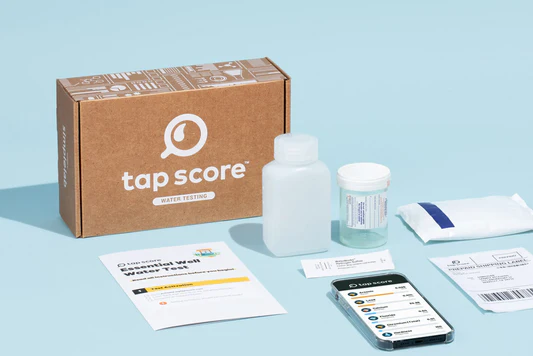
- Mail-in laboratory kits — you collect a sample following strict instructions, ship it to an accredited lab, and receive a detailed report days later, often with actual concentration numbers rather than color estimates.
Some newer kits blend both worlds: you do a quick at-home screen, then send select samples to a lab if something looks off. That hybrid approach is honestly where I think the industry is heading, and it makes sense from a cost standpoint too.
How Well Water Test Kits Actually Work
The mechanics differ depending on what you’re testing for, but the general workflow looks like this:
- Sample collection — usually from an outdoor spigot closest to the well, before any filtration system, run for several minutes to flush stagnant pipe water.
- Reaction or reagent exposure — for strip kits, a chemical reagent reacts with the contaminant and changes color. For bacteria kits, a growth medium is used and incubated for 24–48 hours to see if colonies form.
- Reading the result — either visually (matching a color chart) or, for lab kits, through instruments like spectrophotometers and chromatography that give precise part-per-million or part-per-billion readings.
Bacteria testing works a little differently than chemical testing. Instead of an instant color change, you’re literally growing a culture and watching for the presence — or absence — of coliform bacteria over one to two days. That waiting period trips a lot of first-time buyers up. They expect instant results across the board, and then get confused when the bacteria vial is still sitting there on day one doing nothing visible.
Main Features to Look For
Not all kits are created equal, and the differences matter more than most product listings let on.
- Number of parameters tested — basic kits check 5–10 things (pH, hardness, chlorine, nitrates, lead). Comprehensive kits can test 15–20+, including pesticides, arsenic, and volatile organic compounds (VOCs).
- Certification of the lab — look for EPA-certified or state-certified laboratories if the kit involves mail-in analysis. This matters more than brand reputation.
- Turnaround time — strip kits are instant; lab kits typically take 3–10 business days depending on the parameter panel.
- Sensitivity/detection limits — cheaper strips often can’t detect contaminants at low, still-dangerous concentrations. Lead, for instance, is dangerous at levels many basic strips simply can’t register.
- Instructions and sample collection clarity — a surprising number of inaccurate results come not from bad kits, but from improperly collected samples.
Who Actually Needs One?
Realistically, this narrows down to a specific but sizable group:
- New homeowners with a private well who’ve never had it tested
- Rural households relying on well water for drinking and cooking
- Parents with infants (nitrate contamination is especially risky for babies)
- Anyone who’s noticed a change in taste, smell, or color
- People near agricultural land, old industrial sites, or septic systems
- Sellers/buyers in a real estate transaction requiring water quality disclosure
If you’re on municipal water, you don’t need this — your provider already tests and publishes annual water quality reports. This is strictly a private-well conversation.
Pros and Cons of Well Water Test Kits
Pros:
- Affordable way to get a baseline read on water safety
- No appointment needed — test on your own schedule
- Some kits offer genuinely lab-grade accuracy for a fraction of a full inspection cost
- Early detection of nitrates, bacteria, or metals can prevent long-term health exposure
- Useful for tracking changes over time (seasonal testing, post-flood testing, etc.)
Cons:
- Strip kits can produce false negatives, especially for heavy metals at low concentrations
- Reading color charts is subjective — two people can interpret the same strip differently
- Bacteria kits require a waiting period, which some people skip checking on
- Mail-in kits take time, which isn’t ideal if you suspect immediate contamination
- Cheaper kits often lack testing for regionally relevant contaminants (like arsenic in parts of New England, or agricultural runoff nitrates in the Midwest)
Real-World Scenarios Where These Kits Matter
A friend of mine bought a farmhouse in rural Ohio a couple years back. The well hadn’t been tested in over a decade — the previous owners just… drank the water and never thought twice. A basic $30 kit flagged elevated nitrates, likely runoff from a neighboring cornfield. That single test probably saved them from unknowingly giving their toddler water above the safe nitrate threshold, which is a real risk for infant methemoglobinemia (“blue baby syndrome”).
Another common scenario: after heavy flooding, wells near the surface can get contaminated with bacteria from runoff. This is when a fast at-home coliform test earns its keep — you’re not trying to get lab-grade arsenic numbers, you just need to know quickly whether it’s safe to keep using the tap.
And then there’s the real estate angle. Many states require or strongly recommend a water test during a home sale involving a private well. Buyers use these results as leverage, and sellers use clean results as a selling point. I’ve seen listings literally include recent water test certificates as a trust signal.
Safety, Legitimacy, and Privacy Concerns
Here’s where I want to be straightforward instead of vague.
Legitimacy — reputable well water test kits from established brands (with EPA-certified lab partnerships) are legitimate and reliable when instructions are followed correctly. The technology behind reagent strips and lab chromatography isn’t new or experimental — it’s the same core science municipal water testing relies on, just packaged for consumer use.
Safety — the kits themselves pose no safety risk. The concern is false confidence. A negative bacteria result from a poorly collected sample can give someone a false sense of security when the water is actually contaminated. That’s not a flaw in the science, it’s a flaw in execution.
Privacy — mail-in kits require you to send a water sample along with your address to a lab. Reputable companies don’t sell this data, but it’s worth checking the privacy policy before buying, especially with newer, less-established brands that popped up in the last couple of years riding the DIY-testing trend.
Common Problems and Limitations
A few recurring issues show up across almost every review thread and forum discussion on this topic:
- Sample contamination — touching the inside of the collection vial, using a dirty tap, or not flushing the line first throws results off.
- Color-blindness accessibility — visual strip kits are genuinely difficult for colorblind users, and this isn’t addressed by most manufacturers.
- Overestimating what a basic kit covers — a $20 strip kit will not catch things like PFAS (“forever chemicals”) or specific pesticides. That requires specialized lab panels, often $100+.
- One-time testing isn’t enough — well water quality can shift seasonally, especially with agricultural runoff or drought conditions concentrating contaminants. A single clean test doesn’t mean permanent safety.
Well Water Test Kits vs. Professional Lab Testing vs. Municipal Testing
| Factor | DIY Strip Kit | Mail-In Lab Kit | Professional On-Site Inspection |
| Cost | $15–$40 | $50–$150+ | $200–$500+ |
| Turnaround | Instant | 3–10 days | Days to weeks |
| Accuracy | Moderate | High | Highest |
| Parameters tested | Basic (5–10) | Broad (10–20+) | Custom, comprehensive |
| Best for | Quick screening | Health-related concerns | Real estate, legal disputes |
If your budget and situation allow, a smart approach is layering these: use a cheap strip kit for routine seasonal checks, and reserve professional lab testing for when something seems off or you’re making a major decision like buying a home.
An Honest, Practical Opinion
If I’m being real with you — I don’t think every well owner needs the priciest, 20-parameter kit right out of the gate. What most people actually need is a baseline bacteria and nitrate test, done annually, with a more comprehensive metals panel done once every few years or after any major weather event nearby.
The kits marketed as “test everything” panels are useful, but they’re often overkill for someone just trying to figure out if their water is safe to give their kids. Start basic. Escalate if something looks wrong. That’s the approach most water quality specialists actually recommend, even if it’s not what glossy kit packaging implies.
Also — and this trips people up constantly — testing once and forgetting about it defeats the purpose. Well water isn’t static. Groundwater shifts, agricultural cycles change, septic systems age. Annual testing, at minimum for bacteria and nitrates, is the actual standard recommended by the CDC for private well owners.
Final Verdict
Well water test kits are a legitimate, worthwhile tool for private well owners — not a gimmick, not a scam, but also not a total replacement for professional lab analysis when serious contamination is suspected. For routine monitoring, a mid-range kit with lab-mail-in options for bacteria and nitrates covers most real-world needs. For situations involving infants, pregnancy, unexplained illness, or a known nearby contamination source, skip the strips and go straight to a certified lab.
Water you can’t see is still water you’re drinking every day. Testing it isn’t paranoid — it’s just basic homeownership maintenance, the same as checking your smoke detectors or getting your furnace inspected.
Discover More Tips & Insights on: Sharemyideaz
Frequently Asked Questions
Q: How often should I test my well water?
A: At minimum, test for bacteria and nitrates once a year. Test for metals like lead and arsenic every 2–3 years, or immediately after flooding, nearby construction, or a noticeable change in taste or smell.
Q: Are well water test kits accurate?
A: Reputable kits from established brands are reasonably accurate for screening purposes, especially mail-in lab kits. At-home strip kits are good for quick checks but less reliable for detecting low concentrations of heavy metals.
Q: Can well water test kits detect bacteria?
A: Yes, most kits include a coliform bacteria test, usually involving a 24–48 hour incubation period rather than an instant color change.
Q: Do well water test kits test for lead?
A: Many do, but sensitivity varies. Basic strip kits may miss low but still unsafe lead levels, so a certified lab test is recommended if lead contamination is a specific concern.
Q: How much does a well water test kit cost?
A: Basic strip kits run $15–$40. Comprehensive mail-in lab kits typically cost $50–$150, depending on how many contaminants are tested.
Q: Is well water safe to drink without testing?
A: Not necessarily. Private wells aren’t regulated the same way municipal water is, so contamination from bacteria, nitrates, or heavy metals can go unnoticed without regular testing.
Q: What’s the difference between a strip test and a lab test?
A: Strip tests give instant, visual, color-based results at home. Lab tests involve mailing a sample to a certified facility for precise, instrument-measured results, typically taking several days.
Q: Can I use a well water test kit before buying a house?
A: Yes, and many real estate transactions involving private wells recommend or require it. A recent water test report can also serve as a negotiating point during the sale.
