

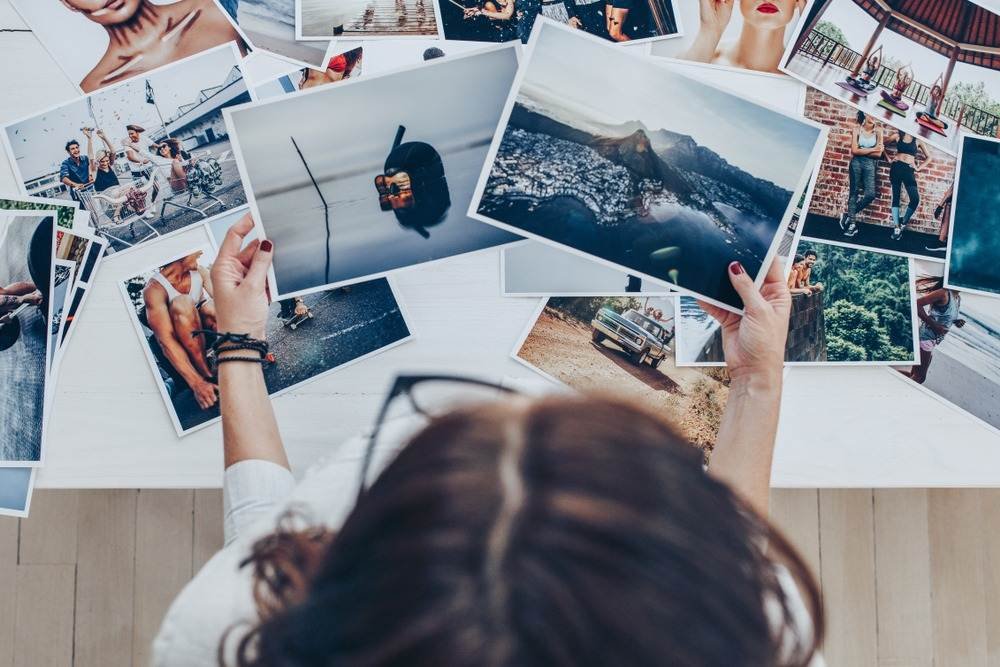
Have you ever scrolled through your phone’s camera roll and realized you have thousands of photos just sitting there, completely forgotten? Last month, I was trying to find a picture of my dog from three years ago and got lost in a sea of screenshots, blurry food pics, and random vacation shots. It made me a bit sad. We snap photos constantly, but we rarely ever look at them again.
That’s actually what got me thinking about how we treat our memories now versus a decade ago. Printing photos used to be a regular weekend chore. You’d drop off a roll of film, wait a few days, and excitement would build up while waiting to open that paper envelope. Bringing that physical connection back into our modern, digital life changes how a room feels.
When you display your favorite moments on a wall, whether through a canvas, a sleek acrylic block, or custom tributeonprintedpics, you aren’t just decorating a space. You’re holding onto moments that actually mean something to you.
Why Physical Photos Still Matter in a Digital World
We live in a world where everything is temporary. A photo gets a few dozen likes on social media, people scroll past it, and by tomorrow, it’s buried under a fresh pile of memes and news updates. But when you physically print a picture, you’re giving it a permanent place in your life.
Think about walking into a home with blank, factory-made wall art versus one filled with actual memories. The second one immediately feels warm and lived-in.
The Psychology Behind Seeing Your Memories Every Day
There’s something surprisingly comforting about having family photos or trip memories hanging where you can see them during a rushed morning coffee. It grounds you. It reminds you of who you are, where you’ve been, and the people who matter most.
- Instant Mood Boost: Passing by a picture of a funny moment or a peaceful sunset brings a quick flash of that original feeling back into your day.
- A Real Sense of Home: Custom prints make a space feel genuinely yours, not like a showroom or a generic rental.
- Fewer Digital Distractions: Looking at a frame on your desk doesn’t come with notifications, pop-up ads, or battery warnings.
Digital Archives vs. Physical Keepsakes
Hard drives fail, cloud subscriptions lapse, and passwords get forgotten. How many old family photos were lost forever when a laptop crashed or an old phone died in a drawer?
Printing your favorite shots acts as a physical backup. A high-quality print can sit on a shelf for decades without needing a software update or a charger.
Choosing the Right Style for Your Space
Not every photo looks great in a standard black wooden frame. The material you print on changes how the light hits the picture, how vivid the colors look, and how the piece fits into your overall room layout.
| Print Material | Best For | Visual Vibe |
| Classic Canvas | Portraits, landscapes, art prints | Soft, textured, traditional warmth |
| Modern Metal | High-contrast, bold photography | Sleek, reflective, vibrant colors |
| Framed Paper | Fine details, black & white photos | Clean, classic, gallery-like |
| Acrylic Blocks | Desks, shelves, small spaces | Deep, 3D effect, modern elegance |
Canvas Prints
Canvas gives photos a subtle texture that softens sharp digital edges. It works brilliantly for family portraits or outdoor shots where you want a cozy, painted feel. Plus, because canvas prints don’t reflect room lights, you can hang them opposite big windows without worrying about glare.
Metal and Acrylic
If your home leans more modern or industrial, metal or acrylic prints are incredible. Images are printed directly onto aluminum or sealed behind thick acrylic glass, which makes colors pop with intense clarity. They’re also moisture-resistant, making them ideal for kitchens or hallways where traditional paper frames might warp over time.
How to Curate Your Photos Like a Pro
One big mistake people make is trying to print everything. When you try to feature fifty different moments on one small gallery wall, the space starts feeling chaotic rather than intentional.
Step 1: Filter Down to the Emotion
When picking images, don’t just look for technical perfection. A slightly imperfect, candid shot where everyone is genuinely laughing will always beat a stiff, perfectly posed portrait where everyone looks uncomfortable.
Ask yourself:
- Does this picture make me smile when I look at it?
- Does it tell a clear story without needing an explanation?
- Will I still like looking at this three years from now?
Step 2: Pay Attention to Resolution
Smartphones take amazing pictures these days, but blowing up a small, compressed image to a massive 24×36 wall size can result in pixelation. Before sending an image off to print, check its file size.
Original files straight from your camera roll work best. Avoid using photos you saved directly from social apps or messaging threads, as those services shrink file sizes heavily to save data, which ruins sharpness when enlarged.
Step 3: Match the Colors to Your Room
A bright neon photo from a street festival might be awesome, but if your living room uses calm, earthy tones, that print is going to clash hard. You can easily tweak photos before printing by desaturating bright colors slightly or converting busy, chaotic images to classic black and white.
Designing a Wall Layout That Doesn’t Feel Cluttered
Hanging prints on a wall sounds simple until you’re standing there with a hammer, three different frames, and no idea where to start.
The Gallery Grid vs. Salon Style
A symmetrical grid layout works best when all your frames are the exact same size and style. It looks clean, organized, and deliberate.
If you have a mix of different frame sizes, wood finishes, and photo orientations, go for an asymmetrical “salon style” arrangement instead. Start with your largest photo slightly off-center as your anchor piece, then build outward with smaller frames.
Symmetrical Grid Layout: Asymmetrical Salon Layout:
+——-+ +——-+ +————-+ +——-+
| | | | | Anchor | | |
| | | | | Piece | +——-+
+——-+ +——-+ +————-+ +——-+
+——-+ +——-+ +——-+ | |
| | | | | | +——-+
| | | | +——-+
+——-+ +——-+
Pro Tip for Planning Before You Drill
Cut out paper sheets in the exact dimensions of your frames and tape them to your wall using painter’s tape. Leave them up for a day or two. Walk past them, see how they fit with your furniture, and adjust the spacing before making a single hole in your drywall.
Also, aim to hang the center of your main image at eye level—roughly 57 to 60 inches from the floor. Most people hang their art way too high, which makes ceilings feel lower than they actually are.
Read More Expert Articles on: Sharemyideaz
Meaningful Gift Ideas Using Custom Prints
Finding gifts for people who already have everything is tough. Gift cards feel impersonal, and physical items often wind up sitting in a closet collecting dust. Personal prints hit differently because they carry genuine emotional weight.
Memorializing Milestones
Custom photo displays make unforgettable gifts for big life moments:
- Weddings and Anniversaries: A high-quality print of a couple’s favorite moment from their wedding day wrapped up for their first anniversary.
- New Babies: Simple birth detail prints featuring the baby’s first photo alongside their birth date, weight, and time.
- New Home Celebrations: An architectural shot of someone’s first home or a map print of the neighborhood they grew up in.
Creating Unique Tribute Spaces
When losing someone special, creating a quiet corner with tributeonprintedpics offers a gentle, beautiful way to honor their memory. Choosing candid, joyful pictures rather than solemn portraits helps keep their energy and happiest moments alive in your home.
Keeping Your Printed Photos Looking Fresh for Years
Once you’ve invested time and money into printing your favorite memories, you want to make sure they don’t fade, warp, or discolor over time.
Avoid Direct Sunlight
UV rays break down inks over time. Even high-end archival inks will eventually fade if placed directly opposite an uncovered, south-facing window. Hang your prized prints on walls that receive indirect natural light instead.
Control the Environment
Paper expands and contracts with changes in humidity. Bathrooms and unconditioned basements are tough environments for classic paper prints because moisture gets trapped behind the glass, leading to mold growth or paper buckling. Stick with metal or acrylic prints for damp spaces.
Clean Them Gently
Don’t spray glass cleaner directly onto framed art. Moisture can seep under the frame edges and permanently stain the matting or the photo itself. Spray a microfiber cloth first, then gently wipe down the glass or print surface.
Taking Your Photos Off the Screen and Into Your Life
We take photos so we don’t forget how a specific moment felt. But when those images stay trapped behind a glass screen on our phones, they lose their ability to connect with us in our daily lives.
Take half an hour this week to go through your recent phone photos. Pick out three shots that make you pause and smile. Whether you print them as simple framed desktop pictures or feature them through tributeonprintedpics on a living room focal wall, bringing those moments into your physical space will completely change how you interact with your memories.
Learn More About Blogs On Sharemyideaz
Frequently Asked Questions
Q: What resolution do my photos need to be for large prints?
A: For a sharp 16×20 print, you ideally want a photo that is at least 2400 x 3000 pixels (roughly 7 to 8 megapixels). Most modern smartphones easily shoot above this resolution, provided you use the original file and not a compressed version sent through a messaging app.
Q: How do I stop my paper prints from sticking to the frame glass?
A: Always use a photo mat or frame spacers. The mat creates a tiny air gap between the photo surface and the glass, preventing humidity from sealing the print directly to the glass over time.
Q: Is canvas better than framed paper for family portraits?
A: It comes down to personal taste and room lighting. Canvas offers a warmer, more artistic feel with zero glare, making it great for bright rooms. Framed paper offers crisp detail and richer contrast, which suits fine-detail photography best.
Q: How high above a couch should I hang a large print?
A: Leave about 6 to 10 inches of space between the top of the couch back and the bottom of the frame. Hanging art too far above furniture makes it feel disconnected from the rest of the room.
Q: Can I restore and print old physical photos that are damaged?
A: Yes! You can scan old physical photos using a flatbed scanner or a high-res phone scanning app. Once digitized, simple editing tools can fix scratches, boost faded colors, and crop out damaged borders before you send them off for printing.
