

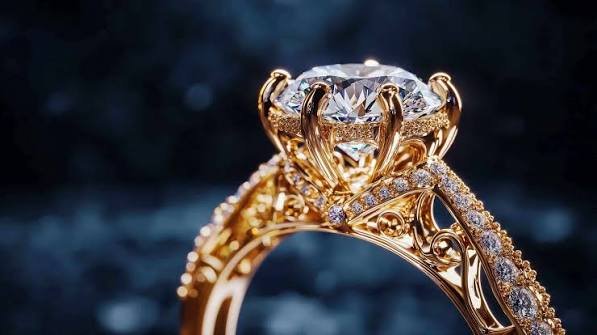
A few months back, I watched a friend stack four thin gold bands on one finger and a chunky vintage signet on another — and honestly, it looked better than anything I’d seen in a jewelry ad. That’s basically what “rings jewelry fashion” has turned into: not one ring for one occasion, but rings as a personal styling tool, the same way someone might use a scarf or a pair of sunglasses.
If you’ve landed here wondering what this trend actually involves, whether it’s worth investing in, or whether it’s just another Instagram phase that’ll fade — you’re in the right place.
Quick Answer
Rings jewelry fashion refers to the styling and wearing of rings — gold, silver, gemstone, or costume — as expressive fashion accessories rather than purely symbolic items like engagement or wedding bands. It includes stacking multiple rings, mixing metals, layering statement and minimalist pieces, and choosing rings based on outfit and mood rather than tradition. It’s accessible at almost any budget, works for most hand shapes, and the main things to watch for are metal quality (for skin reactions), sizing, and buying from sellers who are transparent about materials.
What Is “Rings Jewelry Fashion,” Really
For a long time, rings were mostly tied to milestones — engagements, weddings, graduations, maybe a birthstone gift from a grandparent. That hasn’t disappeared, but a separate, much more casual category has grown alongside it.
Rings jewelry fashion treats rings the way you’d treat any other accessory in your wardrobe. You might wear three rings on a Tuesday because they match your jacket, and zero on Wednesday because you’re going to the gym. There’s no single occasion attached to it, and that’s actually the point.
This shift has been driven partly by social media (ring stacking videos do unreasonably well), partly by brands like Mejuri, Catbird, and Pandora’s more modular lines making layered ring sets affordable and easy to buy in bulk, and partly by a broader move in fashion toward “personal styling” over rigid rules.
How It Works in Practice
There isn’t a rulebook, but there’s a loose logic most people fall into once they start experimenting:
- Pick an anchor piece — usually a slightly bigger or more textured ring that sets the tone (a signet, a chunky knot ring, something with a stone).
- Add thinner bands around it — these fill space without competing for attention.
- Mix metals if you want — gold and silver together used to be a fashion no-no; now it’s almost expected.
- Distribute across fingers — instead of stacking everything on one finger, people spread two or three rings across different fingers and knuckles for a more “undone” look.
- Swap based on outfit, not occasion — this is the actual behavioral shift. Rings get treated like jewelry rotation, not a one-time purchase.
I tried this myself for about two weeks, switching rings daily instead of leaving the same two on indefinitely. It sounds minor, but it does change how you think about getting dressed — rings stop being an afterthought and start being part of the outfit decision.
Main Features of the Trend
A few things define rings jewelry fashion as it exists right now:
- Stackability — rings designed specifically to be worn together, often sold in sets of 3–5.
- Mixed materials — combining gold-filled, sterling silver, and even gold-plated brass pieces without it looking mismatched.
- Midi rings and knuckle rings — smaller rings worn above the normal joint, which only really makes sense in a fashion context (not a traditional one).
- Birthstone and symbolic pieces reimagined — instead of one heavy birthstone ring, people wear thin versions stacked with plain bands.
- Gender-neutral designs — signet rings, chain rings, and chunky bands marketed without strict gendering, which has widened the market significantly.
Pros and Cons
Pros:
- Low commitment compared to most jewelry categories — you can buy a $15 ring and it still “works” in a stack
- Easy to personalize without spending a lot
- Works across almost every style, from minimalist to maximalist
- Good entry point into jewelry for people who find necklaces or earrings less practical day-to-day
Cons:
- Costs add up if you’re buying constantly rather than building a small, intentional collection
- Cheaper metals (especially in fast-fashion rings) can cause skin irritation with daily wear
- Rings get caught on things, snag clothing, and need to come off for a lot of manual tasks — something people don’t always think about before buying five at once
- Resale value on costume or fashion rings is close to zero, unlike fine jewelry
Real-World Examples
A coworker of mine wears a thin gold band on her middle finger every single day — not symbolic, just a habit she picked up after buying it on a whim. On days she’s dressing up, she adds two more around it. That’s the trend in its most ordinary form.
On the other end, you’ll see people at weddings or events going full statement mode — a large cocktail ring on one hand, three stacked bands on the other, all chosen to match a specific outfit for one night and likely never worn in that exact combination again.
Both are valid versions of the same idea. It scales from “barely there” to “the whole point of the outfit.”
Is It Safe? Is It Legitimate?
This is where people genuinely have questions, and fair enough.
Skin reactions are the most common real issue. Rings made with nickel or low-quality alloys can cause contact dermatitis, especially with daily wear in water or sweat. If a ring is labeled “gold-plated” without specifying the base metal, that’s worth being cautious about — plating wears off, and what’s underneath matters more than the listed price suggests.
Legitimacy of sellers varies a lot. Established brands (even budget-friendly ones) usually disclose material composition — sterling silver, 14k gold-filled, stainless steel, etc. Marketplace sellers on platforms like AliExpress or unregulated Etsy shops sometimes don’t, and reviews are your best signal there, not the product photos.
Sizing scams or misleading listings do happen occasionally — rings advertised as adjustable that barely move, or sizing charts that don’t match real-world measurements. It’s a small risk, but it’s common enough that checking return policies before buying is worth the two minutes it takes.
None of this means the trend itself is “fake” or untrustworthy — it’s a legitimate, widespread style choice. The risk sits with individual sellers and material quality, not the concept.
Common Problems People Run Into
- Buying rings that look great alone but clash once stacked (texture matters more than people expect)
- Underestimating how often rings need to come off — cooking, gym, typing-heavy jobs
- Sizing inconsistency between brands, especially with imported pieces
- Tarnishing on cheaper silver-plated rings within a few months of regular wear
Comparison With Other Jewelry Trends
Compared to layered necklaces, ring stacking is cheaper to start and easier to adjust daily since you’re not dealing with clasp tangling. Compared to statement earrings, rings are more visible in everyday interactions (handshakes, typing, gesturing) but less visible in photos unless hands are deliberately framed.
If someone’s choosing between investing in one trend, rings tend to offer more day-to-day flexibility for less money — but earrings or necklaces still win for formal-event impact.
A Practical, Slightly Opinionated Take
Here’s where I’ll be direct: rings jewelry fashion is genuinely useful for most people, but only if you treat it as a style habit, not a shopping habit. Buying ten rings in one order rarely looks as good as buying three good ones and learning how they sit together over a few weeks.
The trend rewards experimentation more than spending. Some of the best-looking stacks I’ve seen mix a $200 gold band with a $12 textured ring from a random online shop — nobody can tell, and nobody cares, as long as the proportions and finishes work together.
Final Verdict
Rings jewelry fashion is a real, low-risk, fairly accessible trend — not a gimmick, not a scam, and not something that requires deep jewelry knowledge to participate in. The main things to get right are metal quality (for comfort and skin health) and restraint (buying a few intentional pieces instead of accumulating clutter). For most people, it’s a worthwhile and affordable way to add personality to an outfit without major commitment.
Learn More About Blogs On Sharemyideaz
FAQs
Q: Is ring stacking still in style, or is it fading?
A: It’s been a consistent trend for several years now rather than a short-lived fad, and brands continue building entire product lines around it, which suggests it’s settled into being a long-term style rather than a passing moment.
Q: Can wearing multiple rings damage your fingers or cause health issues?
A: For most people, no — but rings that are too tight can restrict circulation over time, and low-quality metals can cause skin irritation. Properly sized rings in decent materials are generally safe for daily wear.
Q: What metals are safest for everyday ring stacking?
A: Sterling silver (925), 14k gold or gold-filled, titanium, and stainless steel are generally the safest and most durable choices for people with sensitive skin.
Q: How many rings is “too many” for a stacked look?
A: There’s no fixed number, but most stylists suggest limiting stacks to 2–4 rings per hand so the look stays intentional rather than cluttered.
Q: Are cheap fashion rings worth buying, or should I invest in fine jewelry?
A: Both have a place. Cheaper rings are fine for experimenting with style and trends; fine jewelry makes more sense for pieces you plan to wear daily for years without tarnishing or replacing.
Q: Do mixed metals (gold and silver together) actually look good?
A: Yes — mixing metals is widely accepted in current jewelry styling and is no longer considered a fashion mistake, as long as the overall look feels deliberate rather than accidental.
