

Ever catch yourself blinking hard at your phone screen, like your eyes just forgot how to focus? Yeah, me too. It happened to me one evening after a long day of staring at spreadsheets, and when I looked up at the clock across the room, it took a solid two or three seconds for the numbers to actually sharpen. That little delay scared me a bit, honestly. I didn’t know it back then, but that’s basically your eyes struggling to switch focus between near and far distances — and it’s way more common than people admit.
That moment sent me down a rabbit hole of research, eye doctor visits, and a lot of trial and error. And what I learned is that a lot of the eye fatigue we brush off as “just tired eyes” is really your visual system asking for help. This is where the idea of refocus eye health comes in — not as some fancy medical term, but as a simple reminder that your eyes need regular breaks, proper habits, and sometimes a little retraining to stay sharp.
So let’s talk about it. Not in a clinical, textbook way, but the way I’d explain it to a friend over coffee.
What Does “Refocus Eye Health” Actually Mean?
I used to think eye health was only about glasses, contacts, or maybe cataracts when you’re older. Turns out, there’s a whole other side of it — the ability of your eyes to shift focus quickly and comfortably between near objects (like your phone) and far ones (like the road ahead while driving).
When people talk about refocus eye health, they’re usually referring to how well your eye muscles adjust the lens shape to bring things into clear view, whether you’re reading a text message or looking at a street sign from across the block. If that adjustment starts lagging, you’ll notice things like:
- Blurry vision for a few seconds after looking up from your phone
- Headaches after long screen sessions
- Eyes that feel dry, heavy, or strained by late afternoon
- Trouble reading small print, especially in dim lighting
None of these are dramatic on their own. But together, they’re your eyes telling you they’re working harder than they should have to.
Why This Is Becoming So Common
I blame screens. Not entirely, but mostly. We spend hours every day looking at things that are, what, twelve to eighteen inches from our face? Our eyes weren’t really built for that kind of constant close-up work. Our ancestors were looking at horizons, trees, animals in the distance — not tiny text on a glowing rectangle for eight hours straight.
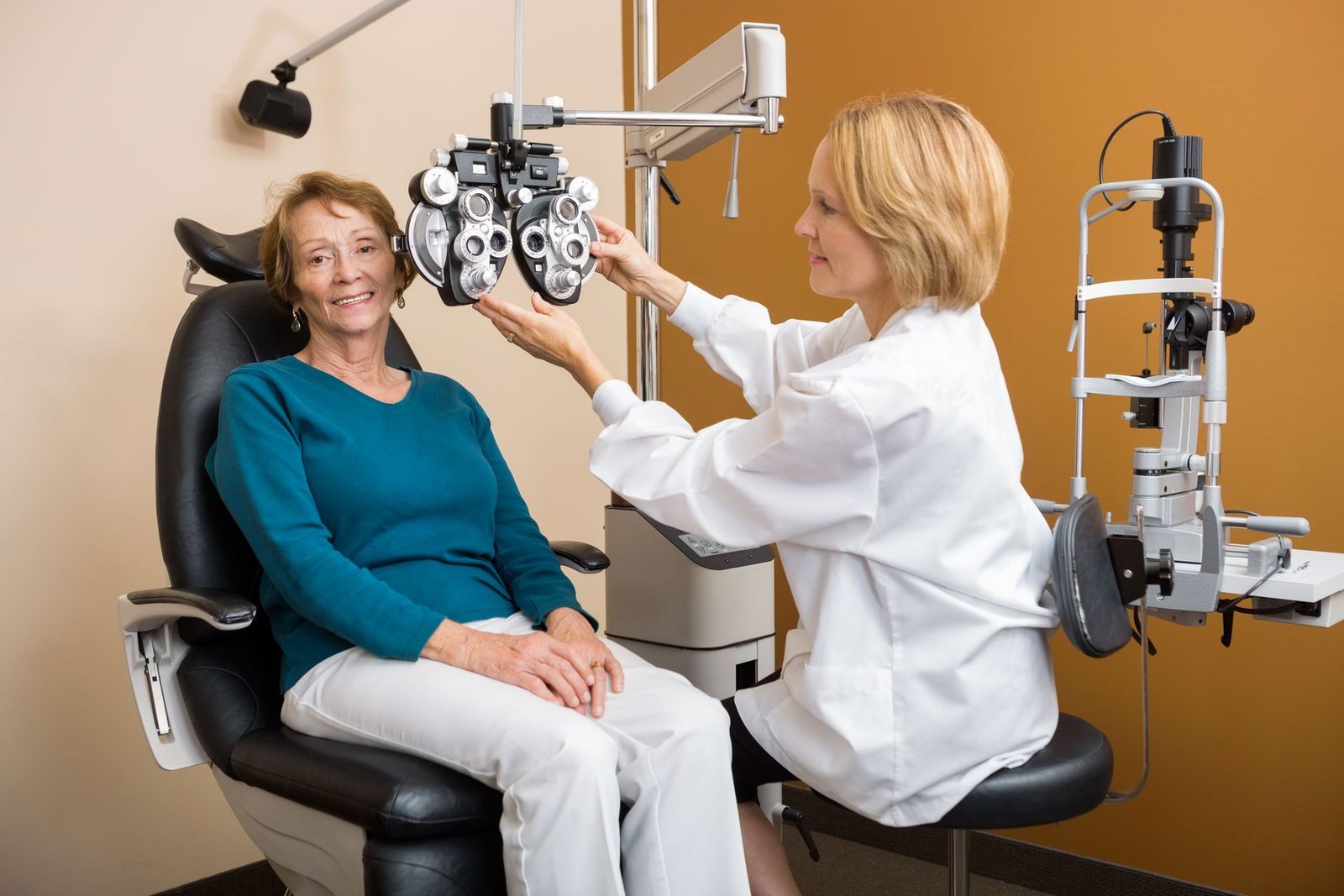
My optometrist actually laughed when I told her this theory, but she agreed it wasn’t far off. She said the eye’s focusing muscle, called the ciliary muscle, gets fatigued just like any other muscle when it’s overused without rest. Makes sense, right? You wouldn’t do bicep curls for six hours and expect your arm to feel fine.
Signs Your Eyes Might Need a Reset
I’ll be honest, I ignored most of these signs for way too long. Here’s what I wish I’d paid attention to sooner.
The Afternoon Slump
If your eyes feel fine in the morning but start burning or watering by 3 or 4 pm, that’s not just “long day” tiredness. That’s cumulative strain building up from hours of close-focus work without breaks.
The Blur-and-Wait
You look up from a screen, and for a second or two, everything’s fuzzy before it clears. This one used to freak me out until I understood what was happening. It’s literally your eye muscles struggling to switch gears fast enough.
Headaches Behind the Eyes
Not a full migraine, just this dull pressure sitting right behind your eyebrows. I used to pop painkillers for this constantly, not realizing it was tied to screen habits and poor focus flexibility.
Squinting More Than Usual
If you catch yourself squinting at things you used to see clearly, that’s worth mentioning to an eye doctor. It could be nothing, or it could be early signs that your focusing ability is slipping.
Explore More Insights: Sharemyideaz
Simple Habits That Actually Help
Okay, here’s the part people actually want — what do you do about it? I’m not going to give you some 15-step morning routine because, honestly, nobody sticks to those. These are small, doable things.
The 20-20-20 Rule (But Actually Do It)
Every 20 minutes, look at something 20 feet away for 20 seconds. I know, you’ve heard this a hundred times. But have you actually done it consistently? I hadn’t, until I set a quiet timer on my phone. It felt annoying for the first few days, and then it just became automatic, like checking notifications.
Blink More Than You Think You Need To
We blink less when we’re staring at screens. Like, noticeably less. This dries out the eyes and makes focusing harder. I started deliberately blinking a few extra times whenever I remembered, and it genuinely reduced that gritty feeling by the end of the day.
Get Outside, Even for Ten Minutes
There’s actual research suggesting that natural light and distance viewing help maintain the eye’s focusing flexibility, especially in kids, but adults benefit too. I started taking my coffee outside instead of at my desk. Small change, noticeable difference within a couple weeks.
Adjust Your Screen Distance and Lighting
Most people hold their phone way too close. Try keeping it at least an arm’s length away, or as close to that as feels comfortable. And please, turn on some ambient light in the room instead of just the glow of your screen in a dark room — that contrast is brutal on your eyes.
Try Eye Focus Exercises
This one felt silly at first. My optometrist showed me a simple exercise: hold your thumb about ten inches from your face, focus on it, then shift focus to something across the room, then back to your thumb. Repeat ten times. It’s basically a workout for your focusing muscles. I do it while waiting for my coffee to brew now.
When It’s More Than Just Screen Fatigue
Here’s the thing — not every case of blurry, strained vision is just about habits. Sometimes it’s a sign of something that needs an actual prescription or medical attention. Presbyopia, for example, is a natural age-related change where your eyes lose some flexibility to focus up close, usually starting somewhere in your 40s. It’s not something you can fix with blinking exercises alone.
If you notice sudden vision changes, double vision, or persistent pain, please don’t just try to “tough it out” with lifestyle tweaks. See an eye doctor. I say this because I waited almost eight months before getting checked, assuming it was just stress and screen time. Turned out I also needed a mild prescription update. The lifestyle changes helped, sure, but they weren’t the whole answer.
Nutrition Plays a Bigger Role Than People Realize
I didn’t expect diet to matter this much, but it does. Nutrients like lutein, zeaxanthin, vitamin A, and omega-3 fatty acids support the retina and overall eye function. Leafy greens, eggs, carrots, salmon — nothing exotic, just real food. I started adding more spinach and eggs into my meals, not as some strict diet plan, just casually swapping things out, and I did notice my eyes felt less “gritty” by evening.
Building a Realistic Routine for Refocus Eye Health
I’m not going to pretend I do everything perfectly every single day. Some days I forget the 20-20-20 rule entirely. But here’s a rough version of what’s worked for me, and it doesn’t take much extra time out of your day.
Morning: A few minutes outside with natural light, ideally before opening any screens.
Midday: Timer reminders for short breaks, deliberate blinking, and maybe a short walk if you can manage it.
Evening: Dimmer screen brightness, warmer lighting in the room, and the thumb-focus exercise a couple times before bed.
That’s it. Nothing fancy. The consistency matters way more than intensity here.
Why Small Changes Beat Big Overhauls
I’ve tried the whole “overhaul everything at once” approach before, and it always fails within a week. What actually worked for improving my refocus eye health was picking one habit, sticking with it for ten days or so, then adding another. It’s slower, sure, but it actually stuck.
A Quick Word on Kids and Screens
If you’ve got children in the house, this matters even more for them. Their eyes are still developing, and some research points to increased screen time being linked with higher rates of nearsightedness in kids. I’m not saying ban screens entirely — that’s unrealistic in 2026 — but encouraging outdoor time and enforcing basic screen breaks can make a real difference in how their visual system develops.
Final Thoughts
Look, your eyes do a ridiculous amount of work every single day, switching focus hundreds of times without you even noticing. It’s easy to take that for granted until something starts feeling off. The good news is that most of what affects everyday refocus eye health comes down to habits you can actually control — blinking, breaks, lighting, and a bit of outdoor time.
And if something feels persistently wrong, don’t just assume it’s screen fatigue. Get it checked. I learned that one the hard way. Your eyes only get one shot at this, so treat them like they matter, because they really do.
Explore More Insights: Sharemyideaz
FAQs
Q: How often should I take breaks from screens to protect my eyes? A: Roughly every 20 minutes is a good target. Even a short 20-second glance at something farther away helps reset the focusing muscles before strain builds up.
Q: Can eye exercises really improve focusing ability? A: They can help, especially for temporary strain from screen use. They’re not a cure for underlying conditions like presbyopia, but as a daily habit, they genuinely support better focus flexibility over time.
Q: Is blue light from screens the main cause of eye strain? A: It’s part of the picture, but honestly, the bigger factor is usually how long we stare at close-up objects without blinking or looking away, not just the light itself.
Q: At what age does focusing ability typically start declining? A: For most people, it starts becoming noticeable somewhere in the early-to-mid 40s, though habits and overall eye health can influence how early or how much it affects you.
Q: Should I see a doctor even if my symptoms seem minor? A: If blurry vision, headaches, or eye strain stick around for more than a couple weeks despite lifestyle changes, it’s worth getting checked. Better to catch something early than wait it out.
