

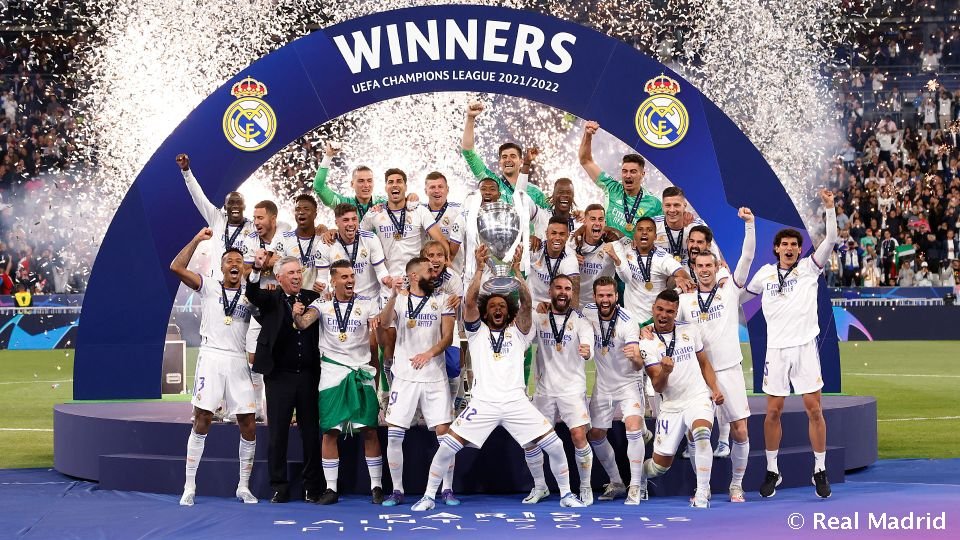
Football has a way of creating lifelong loyalties. Some fans inherit their club from family traditions, while others discover a team through a memorable match, a legendary player, or an unforgettable comeback.
For many people around the world, that club is Real Madrid CF.
Whether you follow European football closely or have only heard the name during major tournaments, there is a good chance you’ve come across discussions about trophies, famous players, dramatic Champions League nights, and global popularity. Few sports organizations have built a reputation as large or as recognizable.
Quick Answer
Real Madrid CF is a professional football club based in Madrid, Spain. It is widely regarded as one of the most successful clubs in football history due to its domestic league titles, European trophies, global fanbase, financial strength, and ability to attract elite players. The club is known for competing at the highest level while maintaining one of the strongest brands in world sports.
What Is Real Madrid CF?
At its core, Real Madrid CF is a professional football organization that competes in Spain’s top division, La Liga, while also participating in major European competitions.
Founded in 1902, the club has spent more than a century building a reputation for excellence. Over the decades, it has become much more than a football team. Today, it operates as a global sports brand with supporters in nearly every part of the world.
The club’s home matches are played at Santiago Bernabéu Stadium, one of football’s most iconic venues.
Many people first learn about the club through famous players such as Cristiano Ronaldo, Zinedine Zidane, Luka Modrić, or Karim Benzema. However, the organization’s influence extends beyond individual stars.
The club has built a culture where winning major trophies is considered the expectation rather than the goal.
How Does the Club Operate?
Many casual fans wonder how a football organization of this size actually works.
Like other elite European clubs, it operates through several key areas:
Professional Squad Management
The first team includes players, coaches, fitness experts, analysts, medical staff, and performance specialists.
Their job is simple in theory but incredibly difficult in practice:
- Win domestic competitions
- Compete for European titles
- Develop tactical systems
- Manage player fitness
- Recruit future talent
Youth Development
The club operates a youth academy system that helps identify and develop young players.
While the organization is famous for signing established stars, youth development remains an important part of long-term success.
Commercial Operations
Revenue comes from several sources:
- Matchday tickets
- Broadcasting rights
- Sponsorship agreements
- Merchandise sales
- Stadium events
- Digital media activities
This financial model allows the club to remain competitive in the transfer market while investing in infrastructure and player development.
Global Brand Expansion
Supporters can follow matches through television, streaming services, social media platforms, and official digital channels.
This worldwide reach helps maintain one of the largest fan communities in sports.
Main Features That Make the Club Stand Out
Many football clubs have rich histories, but a few characteristics help separate this organization from most competitors.
Exceptional Trophy Record
One of the biggest reasons for its reputation is sustained success across multiple generations.
Unlike teams that experience short periods of dominance, this club has remained competitive for decades.
European Success
European football often serves as the ultimate benchmark for elite clubs.
The organization has consistently performed at the highest level in continental competitions, helping build its global reputation.
Strong Winning Culture
A recurring theme among players, managers, and fans is the expectation of success.
Even successful seasons are sometimes judged harshly if major trophies are not won.
World-Class Stadium
The Santiago Bernabéu has become a destination in itself.
Modern renovations have transformed it into a venue capable of hosting:
- Football matches
- Concerts
- Major events
- International sporting occasions
Elite Recruitment
The club has a long history of attracting some of football’s biggest talents.
This strategy has helped maintain competitiveness even as football evolves.
Pros and Cons
No organization is perfect, regardless of its success.
Pros
Strong Competitive Standards
Players are constantly challenged to perform at elite levels.
Global Community
Fans can easily find supporter groups, discussions, and events worldwide.
Consistent Trophy Ambitions
The club rarely enters a season without aiming for major silverware.
High Entertainment Value
Matches often feature top-level football, elite players, and intense rivalries.
Strong Infrastructure
Facilities, coaching resources, and financial strength support long-term success.
Cons
Extremely High Expectations
Pressure can become overwhelming for players and managers.
A coach might win trophies and still face criticism if results dip briefly.
Expensive Fan Experience
Tickets, travel, and merchandise can be costly.
Intense Media Attention
Every decision receives global scrutiny.
Difficult Squad Competition
Young players sometimes struggle for playing time because competition is so strong.
Real-World Examples of Why People Follow the Club
Different supporters connect with the team for different reasons.
The Casual Sports Fan
Someone new to football may start watching because they hear about major matches or famous players.
The club often appears in high-profile games that attract worldwide audiences.
The History Enthusiast
Some fans appreciate tradition.
They enjoy learning about legendary players, classic matches, and football history.
The Tactical Observer
Modern football includes detailed tactical systems, pressing structures, and positional play.
Watching elite-level matches provides insight into how top teams operate.
The Traveling Football Fan
Visiting Madrid and attending a match at the Bernabéu is often on many football supporters’ bucket lists.
The atmosphere, history, and scale create a memorable experience.
Safety, Trustworthiness, and Legitimacy
A common question from newer fans is whether the club’s reputation is genuinely earned or largely based on marketing.
The answer is fairly straightforward.
The organization is one of the most established and recognizable football institutions in the world.
Indicators of legitimacy include:
- Long operational history
- Participation in major professional leagues
- International recognition
- Public financial reporting
- Global sponsorship partnerships
- Massive fan engagement
From a fan perspective, following the club through official channels is generally safe.
Still, supporters should be cautious about:
- Fake ticket sellers
- Counterfeit merchandise
- Scam giveaways
- Unofficial betting promotions
When purchasing tickets or products, using official sources remains the safest approach.
Common Problems and Criticisms
Success does not eliminate criticism.
In fact, highly successful clubs often receive more scrutiny than others.
Pressure Can Hurt Stability
Managers sometimes face intense pressure after only a few poor results.
This environment can make long-term planning difficult.
Transfer Spending Debates
Some critics argue that elite clubs benefit from financial advantages unavailable to smaller teams.
Others counter that commercial success helps generate those resources.
Fan Expectations
Winning one trophy may not satisfy supporters who expect multiple titles.
This can create unrealistic standards.
Balancing Youth and Experience
Every major club struggles to balance academy graduates with established stars.
Finding that balance is rarely easy.
Comparison With Other Major Football Clubs
Football fans naturally compare elite organizations.
While every club has unique strengths, several comparisons frequently appear.
Versus Barcelona
The rivalry with FC Barcelona is among the most famous in sports.
Barcelona is often associated with academy development and possession-focused football.
Madrid has traditionally emphasized a combination of elite recruitment, attacking quality, and competitive resilience.
Versus Manchester City
Manchester City has become a dominant force in recent years.
The English club is known for tactical sophistication and modern squad building.
Madrid’s advantage lies in its historical achievements and global legacy.
Versus Bayern Munich
FC Bayern Munich combines financial stability with domestic dominance.
Both organizations are considered among football’s most respected institutions.
Versus Liverpool
Liverpool FC possesses one of football’s strongest traditions and fan cultures.
Matches between these clubs often carry significant European importance.
Why the Club Continues to Attract New Fans
One interesting observation is that supporters often join for different reasons depending on their generation.
A fan from the early 2000s may remember the Galácticos era.
Someone younger might associate the team with Champions League comebacks.
Others may connect through current stars or social media content.
The common thread is that the club rarely disappears from football’s biggest moments.
That visibility keeps attracting new audiences.
Is Following Real Madrid CF Actually Worth It?
For football fans seeking high-level competition, history, drama, and global relevance, the answer is usually yes.
The experience offers:
- Access to major matches
- Exposure to elite players
- Historic rivalries
- Strong football culture
- Frequent trophy challenges
That said, success brings emotional ups and downs.
Supporters often celebrate incredible victories, but expectations mean defeats can feel especially frustrating.
In many ways, that emotional intensity is part of the appeal.
Practical Expert Opinion
After watching football for years, one thing becomes clear: sustained excellence is much harder than winning a single championship.
Many teams experience short peaks.
Very few remain relevant across generations.
What stands out most is not merely the trophy count but the ability to adapt.
Different managers, tactical systems, player generations, and football eras have come and gone. Yet the organization continues to compete near the top.
That consistency is arguably its greatest achievement.
If someone wants to understand elite football culture, studying this club’s history, management decisions, recruitment strategy, and competitive mindset provides valuable insight.
Final Verdict
Real Madrid CF remains one of the most influential and successful organizations in football history.
Its combination of historical achievements, global popularity, elite talent, financial strength, and competitive ambition makes it a benchmark for professional sports organizations.
The club is not perfect. High expectations create pressure, criticism, and constant scrutiny.
Still, for football fans interested in top-level competition, historic moments, legendary players, and a worldwide community of supporters, it continues to offer one of the most compelling experiences in the sport.
Continue Reading on: Sharemyideaz
FAQs
Q: What is Real Madrid CF?
A: It is a professional football club based in Madrid, Spain, known for competing in La Liga and major European tournaments. The organization is widely recognized for its historic success and global fanbase.
Q: Why is the club so popular worldwide?
A: Its popularity comes from decades of success, legendary players, memorable matches, extensive media coverage, and a strong international presence.
Q: Where does the team play its home matches?
A: Home games are played at Santiago Bernabéu Stadium in Madrid, one of football’s most famous venues.
Q: Is the club considered legitimate and trustworthy?
A: Yes. It is one of the most established professional football organizations in the world, with a long history, global recognition, and participation in top-level competitions.
Q: What makes the club different from other football teams?
A: Its combination of historical success, European achievements, elite recruitment, strong brand value, and worldwide support helps distinguish it from many competitors.
Q: Can new football fans enjoy following the club?
A: Absolutely. New fans often appreciate the high-quality matches, star players, rich history, and frequent participation in major competitions.
Q: Does the club focus only on signing expensive players?
A: No. While it has a history of attracting elite talent, it also invests in youth development, scouting, coaching, and long-term squad planning.
Q: What is the biggest challenge facing the club?
A: Managing extremely high expectations is often the biggest challenge. Supporters and media expect success almost every season, creating constant pressure.
