

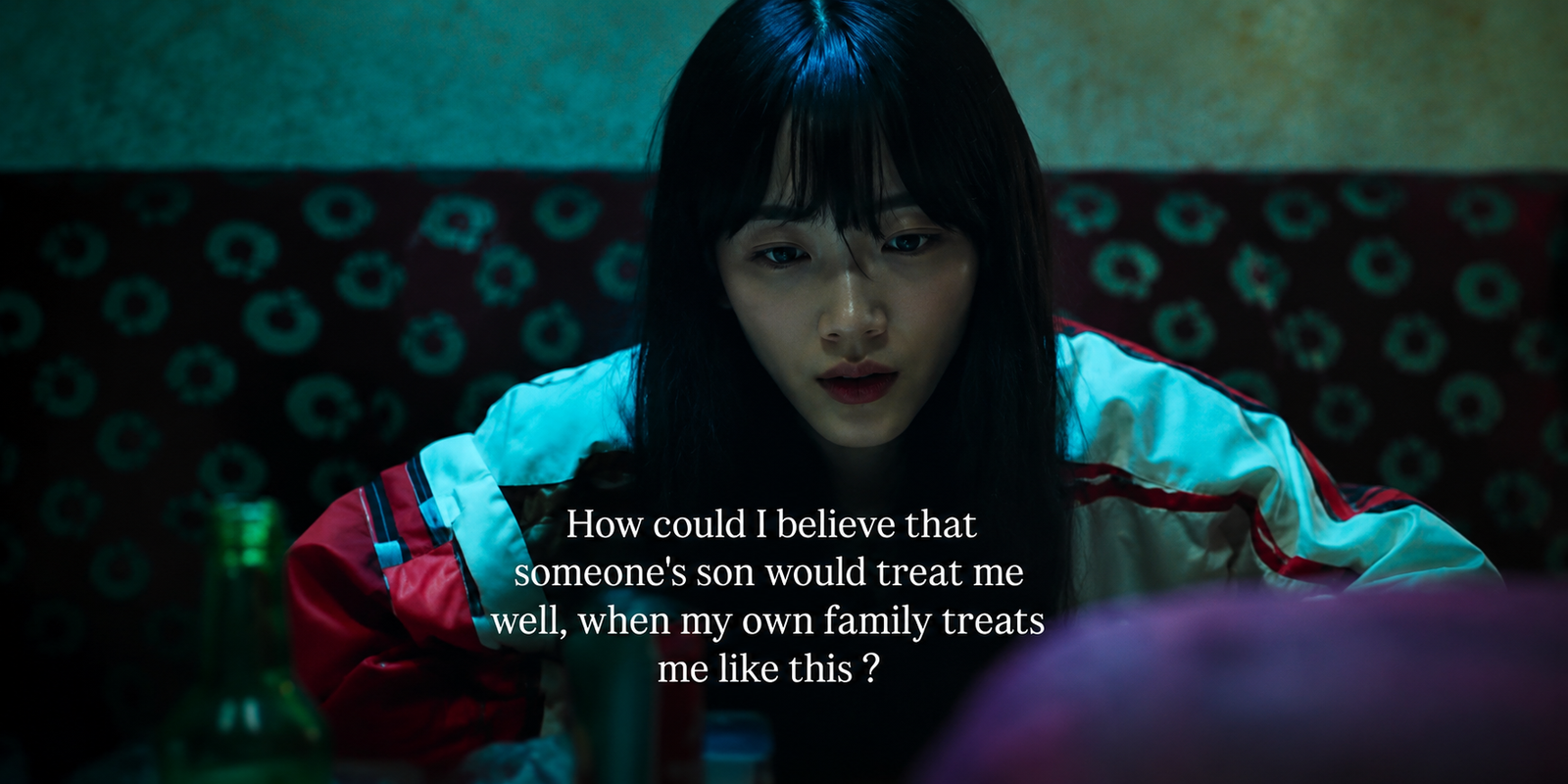
There’s a specific kind of ache that brings someone to type “my new family treats me well” into a search bar at 11pm. Maybe you just watched a short drama episode that hit too close to home. Maybe you’re going through a remarriage, an adoption, a foster placement, or a blended-family situation and you’re desperately looking for stories that end differently than your worst fears. Or maybe you stumbled across this exact phrase as a trending title on a short-drama app and wondered what the fuss is about.
Whatever brought you here, you’re not alone in searching for this. And honestly, the answer isn’t as simple as one definition.
Quick Answer
“My new family treats me well” is both a real-life emotional search phrase and a popular story trope found in short dramas, webnovels, and manhwa — usually centered on a character (often an orphan, a stepchild, an adoptee, or someone reborn into a new household) who unexpectedly finds warmth, acceptance, and love in a family they didn’t grow up in. It resonates because it flips the common “cruel stepfamily” cliché on its head, offering emotional comfort and wish-fulfillment instead of dread.
What “My New Family Treats Me Well” Actually Refers To
I want to be upfront about something: this phrase doesn’t point to a single app, product, or company. It’s not a service you sign up for. It’s a search phrase that sits at the intersection of two very different things, and depending on why you landed here, one of these is probably what you’re after.
First, it’s a genre convention. If you’ve spent any time on short-drama platforms (the vertical, bite-sized episodic dramas that blew up over the last couple of years) or on webnovel and manhwa sites, you’ve probably noticed a cluster of titles that follow the same emotional shape: “My Stepfather Dotes on Me,” “Reborn as the Neglected Daughter,” “The Family That Actually Loves Me.” “My new family treats me well” fits squarely into that cluster. It’s the payoff version of a much darker setup — usually the protagonist was abandoned, abused, or unwanted somewhere, and then, against all odds, lands somewhere safe.
Second, it’s a genuine, sincere phrase real people use to describe their own lives. Adoptees searching for validation that good outcomes exist. People in second marriages checking whether their experience (finally being accepted by a spouse’s kids, or a new set of in-laws) is normal or rare. Foster youth trying to find language for something they haven’t fully processed yet. I think it’s worth naming both meanings honestly rather than pretending this is a tidy, single-purpose thing to review.
How It Works (As a Story Trope and as a Search Behavior)
As a content trope, the mechanics are pretty consistent across the platforms that produce this kind of material:
- A protagonist starts in a state of neglect, poverty, or rejection — often within their birth family.
- A transition happens: adoption, remarriage, a mistaken identity reveal, or rebirth/reincarnation into a new household.
- The new family, often wealthy or unexpectedly kind, treats the protagonist with warmth that contrasts sharply with their past.
- Tension usually comes from external sources (jealous relatives, the old family resurfacing, misunderstandings) rather than the new family itself turning cruel.
As a search behavior, it works differently. People aren’t following a plot — they’re pattern-matching their own situation against a phrase that captures a feeling they don’t have better words for yet. Search engines and AI assistants pick this phrase up because it’s specific enough to signal intent (comfort-seeking, validation-seeking, or entertainment-seeking) without being a generic query like “family relationships.”
Main Features of This Trend
Whether you’re looking at it as entertainment or as an emotional touchstone, a few consistent features show up again and again:
- Contrast-driven storytelling — the “before” (rejection) and “after” (acceptance) are deliberately dramatic, which is part of why it’s so satisfying to watch or read.
- Short-form delivery — most of the drama versions are structured in 1–3 minute episodes, built for mobile viewing during commutes or breaks.
- Wish-fulfillment framing — protagonists are rarely at fault for their circumstances, which makes the eventual kindness feel earned rather than random.
- Community discussion layers — comment sections on these apps and novel sites often turn into informal support spaces where real users share their own family experiences alongside fictional ones.
- Cross-platform spread — the same core story idea shows up as manhwa, webnovel, short drama, and even TikTok storytime format, just reshaped for each medium.
Pros and Cons
I’ll be straightforward here because I think overselling this does nobody any favors.
Pros:
- Genuinely comforting for people who’ve experienced family rejection and need to see a different outcome depicted somewhere.
- Low time investment — short dramas and novel chapters are digestible in small chunks.
- Can normalize conversations about blended families, adoption, and remarriage that are otherwise hard to start.
- Some readers report it helping them articulate their own experience for the first time — “oh, that’s what I’ve been feeling.”
Cons:
- The idealized version can set unrealistic expectations for real blended-family or adoption dynamics, which are almost always more complicated and slower to build than a 90-episode drama suggests.
- Some platforms hosting these dramas use aggressive monetization (pay-per-episode, intrusive ads, subscription traps), which is worth knowing before you dive in.
- If you’re currently in a rough family situation, consuming a steady diet of “everything worked out perfectly” content can occasionally deepen frustration rather than ease it.
- Quality varies wildly — for every well-written version of this trope, there are several rushed, formulaic ones churned out to capitalize on the trend.
Real-World Examples and Use Cases
A few scenarios where I’ve seen this phrase and its related content actually show up in people’s lives:
The late-night comfort scroll. Someone going through a hard week with in-laws opens a short-drama app, searches for something like “new family treats me well,” and watches three episodes before bed. It’s not therapy, but it’s a low-stakes way to feel something other than dread for twenty minutes.
The adoptee researching outcomes. An adult adoptee, curious about whether their positive experience with their adoptive family is unusual, searches the phrase and ends up reading both personal blog posts and drama recommendations. The mix is a little strange, but it reflects how blended the search results actually are.
The stepparent looking for validation. A stepparent who’s slowly building trust with a stepchild searches this phrase hoping to find that other people’s slow, awkward, non-instant version of this is also considered “treating someone well” — not just the dramatic instant-bonding version shown in fiction.
The casual entertainment seeker. Plenty of people search this purely because an app recommended a drama with a similar title and they want more of the same genre. No deeper meaning necessary.
Safety, Privacy, and Legitimacy
Since search results for this phrase often lead to short-drama apps and webnovel platforms, it’s worth addressing this plainly.
- App legitimacy varies. Well-known platforms (the major short-drama apps and established webnovel sites) are generally safe to use, but they can be aggressive with in-app purchases, and some use dark-pattern subscription tactics — auto-renewals that are hard to cancel, for instance. Read the billing terms before entering payment details.
- Data privacy is a real consideration. Many of these apps request more permissions than they need (contacts, location) for a simple content-viewing app. It’s reasonable to deny anything not essential to playback.
- No official “certification” exists for this content category — there’s no authority that verifies these stories or ranks their accuracy about real family dynamics. Treat them as entertainment, not as guidance.
- If you’re searching this phrase because of a real, difficult family situation, it’s worth saying clearly: fictional comfort content is not a substitute for talking to a counselor, a trusted adult, or (for adoptees and foster youth specifically) a support organization that specializes in these experiences.
Common Problems and Limitations
A few recurring complaints show up in reviews and comment sections:
- Episode-based dramas often pace the “family treats me well” payoff too slowly, front-loading excessive suffering before any warmth appears, which some viewers find emotionally taxing rather than comforting.
- Translation quality on webnovel versions can be inconsistent, especially with fan-translated or machine-translated chapters.
- The formulaic nature of the genre means plot twists become predictable fast if you consume a lot of this content back to back.
- For readers using this as an emotional mirror rather than pure entertainment, the neat resolution can feel dismissive of how messy real reconciliation and trust-building actually is.
Comparison With Alternatives
If you’re drawn to this specific trope, it sits within a broader family of similar content:
- “Reborn rich” or transmigration stories — similar wish-fulfillment structure, but centered on wealth and power rather than specifically family warmth.
- Classic found-family narratives (in Western YA fiction and film) — slower-paced, often less melodramatic, with more attention to the actual work of building trust.
- Real memoirs and personal essays about adoption or blended families — far less tidy, but more honest about the timeline and friction involved in actually feeling at home somewhere new.
If your goal is genuine insight into blended-family dynamics rather than entertainment, memoirs and peer-support communities (adoption forums, blended-family counseling resources) will generally serve you better than drama content, even though the drama is more immediately satisfying.
An Honest, Practical Take
Here’s where I’ll put my own view on the table. I think this trend exists because it’s answering a need that a lot of “official” family content doesn’t touch — the specific fear of being unwanted, and the specific hope of being chosen anyway. That’s a legitimate emotional need, and there’s nothing wrong with fiction meeting it.
But I’d gently push back on treating any of this as a roadmap. Real families — blended, adoptive, foster, or otherwise — build trust in fits and starts, not in dramatic three-episode arcs. If you’re in the middle of a real situation and searching “my new family treats me well” because you’re hoping it’s possible for you too, I’d say: it is possible, but it usually looks quieter and slower than what you’ll find in these stories. Small consistency beats big dramatic gestures, in fiction and in life.
Final Verdict
As entertainment, this trend is genuinely enjoyable if you like emotionally driven, wish-fulfillment storytelling, and it’s a reasonably low-risk way to spend downtime — just watch the app’s billing practices. As a source of real insight into blended families, adoption, or remarriage dynamics, it’s better treated as a starting emotional spark than an accurate guide. For that, personal accounts and support communities will serve you far better than the fictional version.
Explore More Insights: Sharemyideaz
Frequently Asked Questions
Q: Is “my new family treats me well” a real app or product?
A: No. It’s not a single app or service — it’s a search phrase tied to a story trope found across short-drama apps, webnovels, and manhwa, and also used sincerely by people describing real family experiences.
Q: Why is this kind of story so popular right now?
A: Short-drama and webnovel platforms have grown fast, and stories with sharp emotional contrast (rejection followed by acceptance) perform well because they’re satisfying in small, bingeable doses.
Q: Are the short-drama apps that host these stories safe to use?
A: Most major platforms are legitimate, but many use aggressive in-app purchase models and unclear auto-renewal terms, so it’s worth checking billing settings and permissions before committing.
Q: Is it unhealthy to relate personal family struggles to this kind of content?
A: Not inherently — plenty of people find comfort in it. It becomes a concern only if it replaces real support, like talking to a counselor or trusted person, rather than supplementing it.
Q: What should I search for if I want real stories, not fiction, about blended or adoptive families treating someone well?
A: Look for adoptee memoirs, blended-family support forums, and personal essays rather than drama or novel platforms — they’ll give a more accurate, if less dramatic, picture.
Q: Does a positive “new family” outcome like this actually happen in real life?
A: Yes, it does happen, and often — but it typically develops gradually through consistent small actions rather than the sudden, dramatic warmth shown in fiction.
