

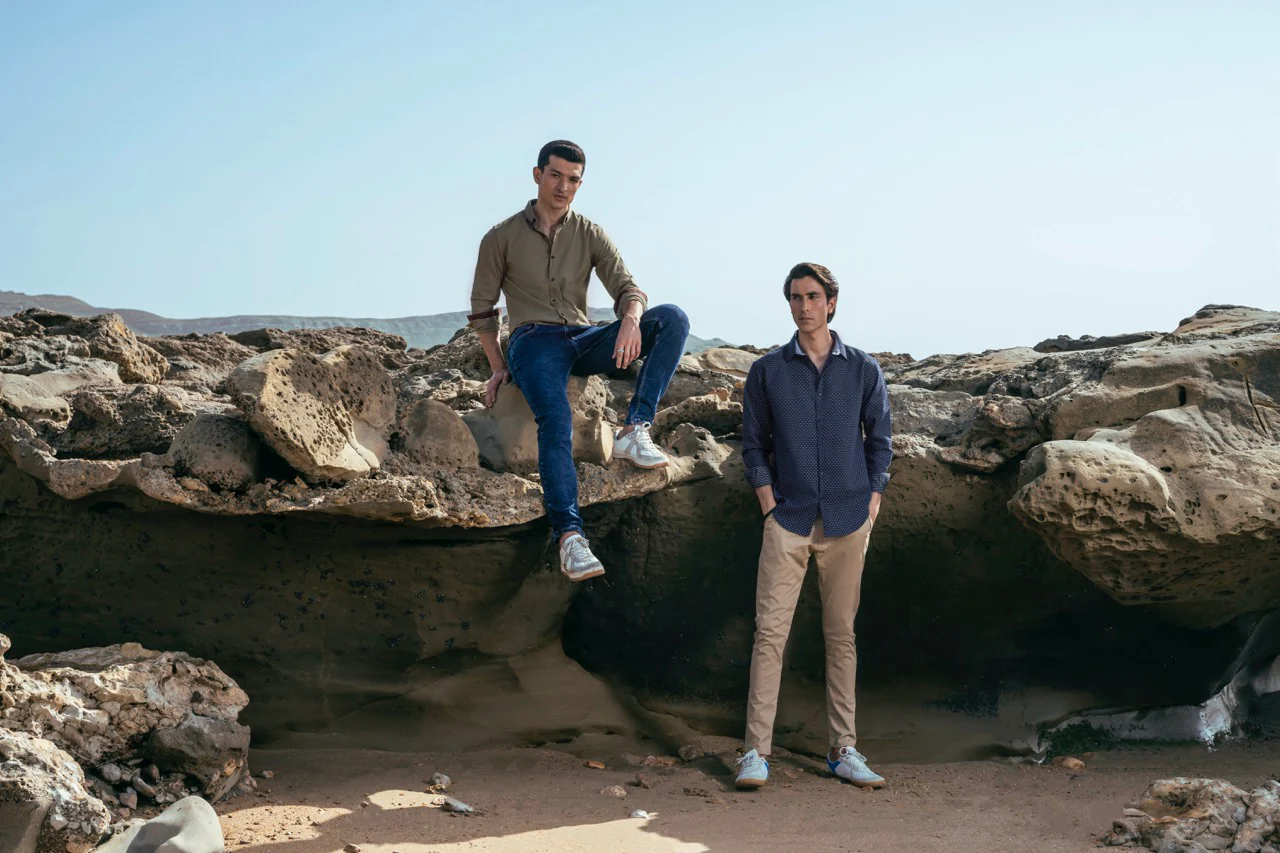
Every year, around late May, the same thing happens. The temperature creeps past 85°F, you open your closet, and you realize half your wardrobe is basically wool and polyester armor designed for winter. You’re not alone in this. I’ve watched friends sweat through cotton button-downs at backyard barbecues because nobody told them linen exists, or show up to a beach party in dark jeans because “that’s just what I own.”
Male summer fashion isn’t really about looking trendy. It’s about surviving heat without looking like you gave up on yourself. There’s a difference between dressing for summer and just wearing fewer clothes — and most guys never learn that difference until someone points it out, or until they suffer through one too many sweaty commutes.
Quick Answer (For Those in a Hurry)
Male summer fashion refers to clothing choices, fabrics, and styling approaches designed to keep men cool, comfortable, and presentable in hot weather — typically lightweight breathable fabrics like linen, cotton, and seersucker, lighter colors that reflect heat, relaxed fits that allow airflow, and accessories suited for sun exposure. It works by combining fabric science (breathability, moisture-wicking), color theory (lighter shades absorb less heat), and silhouette choices (looser cuts) to balance comfort with appearance.
What Is Male Summer Fashion, Really?
At its core, this term covers the seasonal shift in how men dress when temperatures rise — usually from late spring through early fall depending on region. It includes everything from casual weekend wear to smart-casual office attire adapted for heat, swimwear, and even formal summer occasions like weddings.
It’s not a single style. A guy in Phoenix dressing for 110°F days has different needs than someone in coastal Maine dealing with humid 80°F afternoons. But the underlying principles stay consistent: reduce heat retention, increase airflow, and avoid fabrics that trap sweat against skin.
I’d argue the biggest misconception is that summer fashion just means “wear shorts and a t-shirt.” That’s part of it, sure, but there’s a whole layer of intentional choices — fabric weight, weave, fit, even how clothes are constructed — that separates someone who dresses for summer from someone who’s just enduring it.
How It Actually Works (The Mechanics Behind the Trend)
There’s real science here, not just style preference.
Fabric weave and weight matter more than fabric type. A heavy cotton can trap more heat than a loosely woven linen-cotton blend. This is why a linen shirt feels noticeably cooler than a thick cotton tee even at the same temperature — the open weave lets air circulate against your skin.
Color affects perceived and actual temperature. Darker colors absorb more solar radiation, which matters if you’re outdoors. Lighter shades — white, tan, pale blue, sage — reflect more light and tend to feel cooler in direct sun. Indoors, this matters less, but for anyone spending time outside, it’s not just an aesthetic choice.
Fit changes airflow. Tight clothing traps heat and moisture against the body. Relaxed (not baggy) fits create a small air gap that allows sweat to evaporate, which is the body’s actual cooling mechanism. This is part of why tailored summer clothing often looks slightly looser through the body than winter pieces.
Moisture-wicking technology in performance fabrics (often polyester blends with wicking treatments) pulls sweat away from skin to the fabric surface where it evaporates faster. This isn’t traditional menswear, but it’s become a legitimate category for athletic and travel-focused summer wear.
Main Features Worth Knowing
A few elements consistently define good summer dressing for men:
- Breathable natural fibers — linen, lightweight cotton, seersucker, and hemp blends top the list
- Shorter sleeve lengths and unlined jackets — structure without the heat trap
- Lighter color palettes — not exclusively pastel, but generally lower saturation and lighter value
- Relaxed tailoring — slightly looser through chest and shoulders compared to winter cuts
- Sun-conscious accessories — hats, lightweight sunglasses, breathable footwear like canvas sneakers or leather sandals
One thing people overlook: footwear. Heavy leather dress shoes in summer heat are genuinely uncomfortable, and switching to unlined loafers or breathable canvas options makes a bigger comfort difference than most guys expect.
Pros and Cons
Pros:
- Genuinely improves physical comfort during hot months
- Can extend the life of formal wardrobe by adapting pieces seasonally
- Linen and lightweight fabrics often look more relaxed and put-together for casual summer events
- Affordable entry point — a few key pieces (linen shirt, chino shorts, canvas sneakers) cover most situations
Cons:
- Linen wrinkles fast, and some guys find that frustrating rather than charming
- Lighter colors show stains and sweat marks more visibly
- Quality breathable fabrics (good linen, performance blends) can cost more than basic synthetic options
- Not all “summer fashion” trends suit every body type or climate — humid climates need different choices than dry-heat climates
Real-World Scenarios
Picture a wedding in July. Full wool suit, dark color, fully lined — you’ll be soaked through by the ceremony’s end. Swap to an unlined linen-cotton blend suit in a lighter tan or light gray, and the difference in comfort is dramatic, not subtle. I’ve seen guys visibly relax in 90-degree heat just because they switched fabric.
Or take the daily office commute. A guy walking fifteen minutes to a subway in a heavy dress shirt arrives at his desk already sweating through his collar. Switch to a lightweight cotton-linen dress shirt with a slightly looser cut, and that same walk barely registers.
Beach trips are the obvious case — quick-dry swim trunks, a breathable button-up worn open over a tee, sandals. Nothing revolutionary, but getting the fabric and fit right still makes a noticeable comfort difference compared to throwing on whatever’s available.
Is It Legitimate? Safety and Practical Concerns
There’s nothing inherently risky about dressing for summer — this isn’t a supplement or a gadget with safety concerns. But a few practical things matter:
Sun protection is a real consideration. Lightweight fabrics with a tight weave actually block UV rays better than you’d think, but very loose or sheer fabrics offer less protection. If you’re outdoors for extended periods, that’s worth knowing.
Overheating risk still exists even in summer-appropriate clothing if you’re doing intense physical activity in extreme heat — clothing helps, but it doesn’t replace hydration and common sense in genuinely dangerous heat conditions.
“Trend legitimacy” — some seasonal menswear trends pushed by fast fashion brands are more marketing than substance (certain “cooling fabric” claims on cheap synthetic blends, for example, don’t always hold up under scrutiny). It’s reasonable to be skeptical of bold performance claims on inexpensive items.
Common Problems and Limitations
Most complaints I’ve come across, whether from friends or in online menswear communities, boil down to a few recurring issues:
- Linen wrinkling excessively, especially during travel
- Light-colored clothing showing sweat and stains more obviously
- Fit inconsistency across brands — “relaxed summer fit” means different things depending on the label
- Climate mismatch — humid-region guidance doesn’t always translate well to dry desert heat, and vice versa
None of these are dealbreakers, but they’re worth knowing before buying a wardrobe’s worth of linen shirts expecting zero maintenance.
Comparison With Alternatives
Compared to just wearing whatever lightweight clothing is on sale, intentional summer dressing (proper fabrics, fit, color choices) offers measurably better comfort and a more put-together appearance for similar or only slightly higher cost. Compared to heavy reliance on performance/athletic fabrics for everyday wear, traditional natural fibers like linen and cotton tend to look more versatile for non-athletic settings — weddings, dinners, office days — while synthetic moisture-wicking fabrics still win for active outdoor use like hiking or running.
Neither approach is objectively “better” across the board. It depends on the use case.
A Practical, Experience-Based Opinion
If I had to recommend a starting point for someone overhauling their summer wardrobe with limited budget, I’d say: get two or three linen-blend shirts, one pair of quality chino shorts, breathable canvas sneakers, and a single lightweight unlined jacket for anything semi-formal. That covers probably 80% of summer situations without overspending.
Skip buying an entirely new “summer suit” unless you actually attend formal summer events regularly — it’s a niche purchase that doesn’t pay off for most people. And don’t trust every “cooling technology” label on cheap fast-fashion tees; the actual difference is often minimal compared to a well-made plain cotton tee.
Final Verdict
Male summer fashion holds up to scrutiny — it’s not a hollow trend. The underlying principles (breathable fabric, lighter colors, relaxed fit) are grounded in real comfort science, not just aesthetics. It’s genuinely useful for anyone who spends meaningful time outdoors or commuting in heat, and the investment required is modest compared to the comfort payoff.
That said, it’s not a magic fix. Extreme heat is still extreme heat, and clothing choices help at the margins rather than solving discomfort entirely. Treat it as one practical tool among several — alongside hydration, sun protection, and just knowing your own climate — rather than expecting any single fabric or outfit to do all the work.
Explore More Insights: Sharemyideaz
FAQs
Q: What fabrics are best for male summer fashion?
A: Linen, lightweight cotton, seersucker, and hemp blends are generally considered the best choices because they allow airflow and don’t trap heat against the skin. Performance synthetic blends with moisture-wicking properties work well for athletic or outdoor activity specifically.
Q: Is linen actually better than cotton for summer?
A: Linen typically breathes better and feels cooler due to its looser natural weave, but it wrinkles more easily. Lightweight cotton is a solid middle-ground if wrinkling is a dealbreaker for you.
Q: Does color really affect how hot you feel in summer clothing?
A: Yes, particularly outdoors in direct sunlight. Darker colors absorb more heat from sunlight, while lighter colors reflect more of it. Indoors or in shade, the difference is much less noticeable.
Q: What’s a good summer outfit for a casual office?
A: A lightweight cotton or linen-blend button-down in a lighter color, paired with breathable chinos and unlined loafers or leather sneakers, generally works well for smart-casual office environments.
Q: Are “cooling” fabric claims on cheap clothing actually true?
A: Some are legitimate, especially with established performance brands, but many budget fast-fashion claims overstate the actual cooling effect. It’s reasonable to be skeptical of dramatic claims on very low-cost items.
Q: Can male summer fashion work for bigger or plus-size body types?
A: Yes — the same principles apply, though fit matters even more. Relaxed (not oversized) cuts in breathable fabrics tend to look and feel better than tight synthetic clothing regardless of body size.
Q: How many summer-specific pieces does a guy actually need?
A: A small, well-chosen rotation usually works better than a large wardrobe — a few breathable shirts, one or two pairs of shorts or lightweight pants, comfortable breathable shoes, and one slightly dressier piece for occasions covers most real-life needs.
