

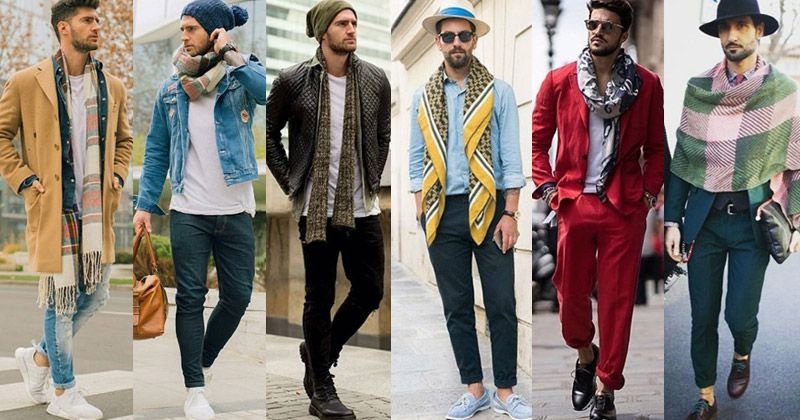
Picture this: it’s late October, you’re standing outside a coffee shop waiting for a friend, and the wind just cuts right through your jacket. You glance at the guy next to you who’s got a scarf wrapped loosely around his neck, looking effortlessly put together, and you think — okay, I need to figure this out. That’s basically how most men stumble into the world of scarves. Not through some grand styling epiphany, but through cold ears and a little bit of envy.
This guide breaks down everything worth knowing before you commit to the look — what it is, whether it’s actually practical, where it can go wrong, and how to wear one without looking like you raided your dad’s closet by accident.
Quick Answer
Guys scarf fashion refers to the styling and wearing of scarves by men as both a functional cold-weather accessory and a deliberate fashion statement. It works by adding texture, color contrast, and structure to an outfit while also providing warmth around the neck and chest. It’s suited for men who want to elevate casual or formal outfits without buying new clothes, and it’s genuinely useful — though fit, fabric, and tying method matter more than people expect.
What Is “Guys Scarf Fashion,” Really?
It’s not just “a scarf, but for men.” That framing undersells it. Guys scarf fashion is really about how an accessory traditionally seen as practical winter gear has become a styling tool — something used to add personality to an outfit the same way a watch or a good pair of boots does.
Menswear has shifted a lot over the last decade. Layering, texture, and accessories now matter as much as the actual garments. A scarf sits right in the middle of that shift — it’s part function, part statement. Some guys wear it because it’s genuinely cold outside. Others wear it because a plain crew-neck sweater looks unfinished without something around the collar.
There’s also a cultural angle here. European and East Asian street style popularized the “effortless drape” look, where the scarf isn’t tightly knotted but tossed on almost casually. That aesthetic crossed over into Western menswear and is a big reason scarves stopped being seen as something only older men or businessmen wore with overcoats.
How It Works (In Practice, Not Theory)
A scarf works on two levels — physical and visual.
Physically, it traps body heat near the neck and chest, an area that loses heat fast because of how close blood vessels sit to the skin. That’s the actual functional reason scarves have existed for centuries, long before fashion got involved.
Visually, a scarf works by breaking up the vertical line of an outfit. Without one, a coat or jacket often reads as one flat block of color. Add a scarf with contrasting texture or tone, and suddenly there’s a focal point near the face — which, conveniently, is also where people naturally look first.
The styling part comes down to three variables: fabric weight, color contrast, and tying method. Get those right, and a scarf elevates even a basic outfit. Get them wrong — say, a chunky wool scarf with a thin summer jacket — and it just looks mismatched.
Main Features of Guys Scarf Fashion
A few things define how this trend actually plays out in real wardrobes:
- Material variety — wool, cashmere, cotton, acrylic blends, and flannel each serve different climates and looks
- Versatile tying styles — the European loop, the simple drape, the once-around knot, and the looser “off-duty” wrap
- Color flexibility — neutral scarves (grey, navy, camel) pair with almost anything, while patterned ones (plaid, herringbone) demand a simpler outfit underneath
- Seasonal range — lightweight cotton or linen scarves now extend the trend into spring and even early summer for some guys
- Pairing with outerwear — works with peacoats, denim jackets, bombers, and even hoodies when styled right
What’s interesting is how much the tying method changes the entire impression of an outfit. The same charcoal scarf looped loosely reads as relaxed and casual, while the same scarf knotted tightly under a collar reads almost businesslike.
Pros and Cons
No accessory is universally great, and scarves come with real trade-offs.
Pros:
- Adds visual interest to plain or minimalist outfits without buying new clothing
- Genuinely functional in cold or windy weather
- Works across casual, business-casual, and even semi-formal settings
- Relatively inexpensive compared to other style upgrades
- Easy to swap in and out depending on mood or weather
Cons:
- Can look bulky or awkward under tight-collared jackets
- Wrong proportions (too long, too thick) make shorter guys look swallowed by fabric
- Requires occasional re-learning of tying methods if you’re new to it
- Wool and cashmere scarves need actual care — they’re not low-maintenance
- Easy to overdo with too much pattern or color, especially for beginners
I’ll be honest — the first scarf I ever bought was way too long and way too thick for my frame, and I basically looked like I was hiding inside it. Proportion really is half the battle here.
Real-World Use Cases
Let’s get specific, because vague styling advice rarely helps anyone.
Office commute in cold weather: A neutral wool scarf draped simply over a wool coat instantly upgrades a plain commuter outfit. No tying tricks needed — just drape and go.
Casual weekend look: A flannel or plaid scarf with a denim jacket and boots hits that lumberjack-meets-city look that’s been popular in fall menswear for a few years now.
Date night or dinner: A slim cashmere or cashmere-blend scarf in a dark, solid tone adds a touch of polish to a button-down without feeling overdressed.
Travel days: A lightweight scarf doubles as a neck pillow substitute or an extra layer on a chilly flight — genuinely one of the more underrated practical uses.
Safety, Legitimacy, and Practical Concerns
There’s nothing inherently risky about scarf fashion itself, but a few practical safety points come up often enough to mention.
- Loose scarves and machinery or escalators — long, loosely draped scarves have caused real safety incidents around moving parts (this isn’t fear-mongering, it’s documented enough that workplaces with machinery often discourage them).
- Driving — a scarf wrapped too tightly can restrict head movement or distract while checking blind spots.
- Material sensitivity — some synthetic blends can cause skin irritation for men with sensitive skin, especially around the neck where skin is thinner.
- Online “smart scarf” gadgets — there’s been a wave of heated or app-connected scarves marketed online. Many are legitimate, but as with any niche gadget category, checking seller reviews and return policies before buying matters more than the marketing copy does.
As for legitimacy of the trend itself — yes, it’s a real and lasting part of menswear, not some fleeting TikTok fad. Scarves have been part of formal and casual menswear for over a century; what’s changed is just how casually they’re worn now.
Common Problems People Run Into
Most complaints about scarves come down to a handful of repeatable mistakes:
- Buying a scarf that’s too long for their height, creating a “drowning in fabric” effect
- Picking a heavy wool scarf for mild weather, leading to overheating and discomfort
- Pairing busy patterns with already-patterned shirts or jackets
- Not knowing how to tie it cleanly, so it ends up looking sloppy instead of styled
- Forgetting basic care — wool scarves pilling or losing shape after rough washing
Honestly, the tying issue trips up more guys than anything else. A scarf draped wrong looks like an accident; the same scarf looped correctly looks intentional.
Guys Scarf Fashion vs. Alternatives
How does a scarf stack up against other cold-weather styling options like a turtleneck, a hooded layer, or a neck gaiter?
| Option | Style Versatility | Warmth | Ease of Use |
| Scarf | High — works with most outfits | Good | Moderate (needs tying skill) |
| Turtleneck | Moderate — limited to certain looks | Good | Very easy |
| Neck gaiter | Low — mostly sporty/outdoor | Excellent | Very easy |
| Hooded jacket | Moderate | Good | Easy |
A scarf wins on styling flexibility. A neck gaiter wins on pure function and ease for outdoor activity. If you want both warmth and a deliberate fashion statement, a scarf is still hard to beat — it’s just slightly less convenient to learn at first.
An Honest, Practical Opinion
If I’m being straight with you, scarves are one of the few accessories that give a genuinely high return on a small investment — both in money and effort. You don’t need ten of them. Two or three good ones in versatile colors will cover most situations for years.
What surprises a lot of guys is how much a scarf can rescue a boring outfit. A plain grey hoodie and jeans combo, which on its own looks like “didn’t try today,” suddenly looks intentional with a textured scarf thrown on. It’s a small move with a disproportionately large payoff.
That said, I wouldn’t tell anyone to chase every micro-trend in this space — oversized scarves, novelty prints, ultra-thin “fashion only” scarves that don’t actually keep you warm. Stick with quality basics first. Trends in accessories come and go fast; good wool or cotton-blend scarves in neutral tones don’t.
Final Verdict
Guys scarf fashion isn’t hype — it’s a practical, low-cost styling category that genuinely improves how an outfit reads, while still doing its original job of keeping you warm. The trend is legitimate, not a passing fad, and it works for nearly any body type or style preference once proportion and tying method are dialed in.
It’s not for everyone in every situation — gym days, humid summer afternoons, or jobs around heavy machinery aren’t the moment for it. But for daily wear, commuting, casual outings, and even semi-formal settings, it earns its place in a guy’s wardrobe more reliably than most trendy accessories ever do.
Read More Related Articles: Sharemyideaz
FAQs
Q: Is wearing a scarf still considered stylish for men in 2026?
A: Yes. Scarves remain a staple in menswear, especially in fall and winter styling, and have only become more casual and versatile in how they’re worn.
Q: What’s the best scarf length for men?
A: Generally, a scarf around 60–70 inches works for most men, though taller guys can go slightly longer. Anything much past that risks looking oversized.
Q: Can scarves be worn in casual outfits, or are they only for formal wear?
A: They work great in casual outfits — denim jackets, hoodies, and flannel shirts all pair well with the right scarf. Formal wear just requires a more refined fabric like cashmere or fine wool.
Q: Are wool scarves itchy or uncomfortable?
A: Cheaper wool can feel itchy against bare skin. Merino wool or wool-cashmere blends are softer and far more comfortable for everyday wear.
Q: How do I tie a scarf without looking overdone?
A: The simple drape or the European loop are the easiest, most natural-looking methods for beginners. Both look intentional without requiring complicated folds.
Q: Is it safe to wear a scarf while driving?
A: It’s fine as long as it’s not wrapped so tightly that it limits head movement or visibility. A loose drape is generally safer than a tight knot while driving.
