

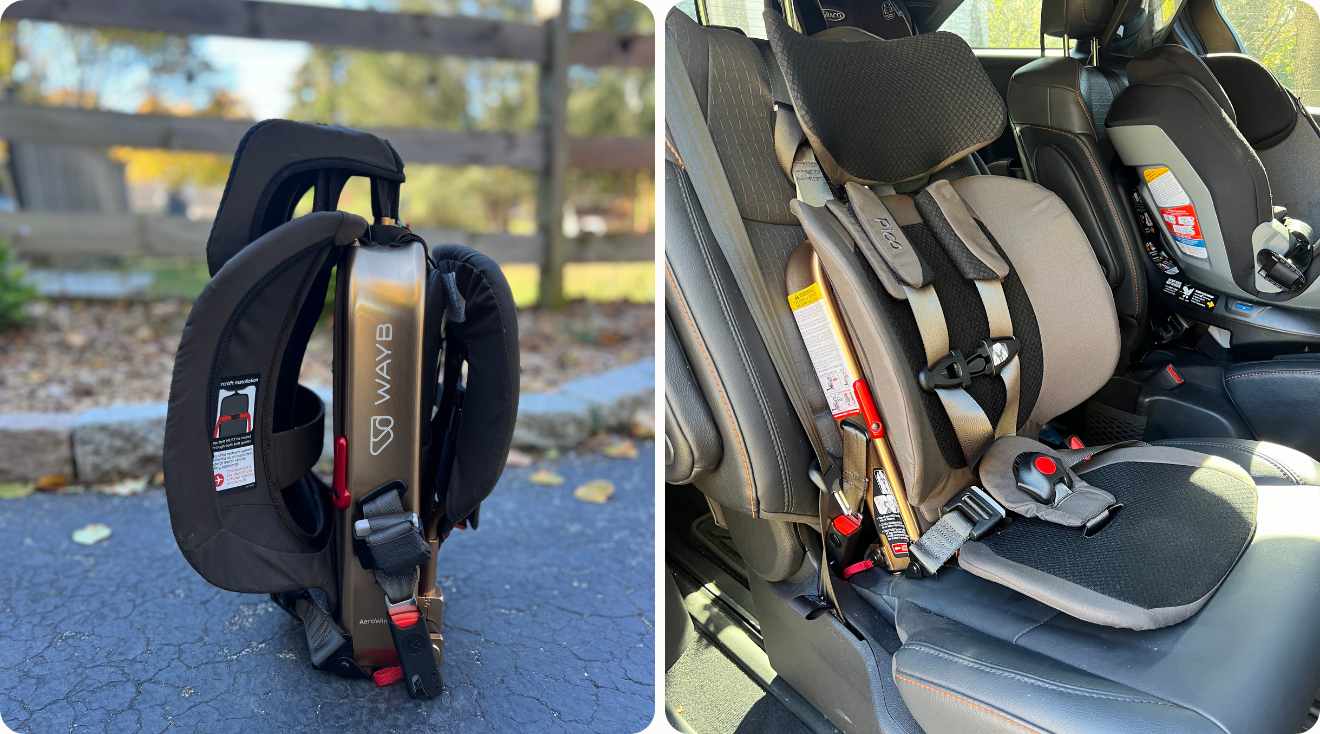
There’s something about a road trip with kids that looks much easier in photos than it feels in real life.
You pack snacks, double-check the diaper bag, charge every device you own, and somehow you’re still turning the car around because someone forgot their favorite stuffed animal. I’ve been there. And after enough long drives, I realized one thing made a bigger difference than expensive travel gadgets or fancy organizers. It was having the right car seat.
A child who feels secure and comfortable is far less likely to become restless halfway through the drive. Parents feel calmer too because they aren’t constantly worrying about safety or awkward adjustments at every stop. That’s why choosing a good travel car seat deserves more attention than many people give it.
Not every family travels the same way. Some fly several times a year. Others spend weekends driving across the country or visiting grandparents a few hours away. The best option depends on your child’s age, size, travel habits, and even how often you’ll need to move the seat between vehicles.
Let’s look at what actually matters before buying one.
Why Your Regular Car Seat May Not Be Ideal for Travel
Many parents already own a safe car seat, but that doesn’t automatically make it perfect for traveling.
Some standard models are incredibly heavy. Others take forever to install correctly. If you’ve ever tried carrying one through an airport while holding a toddler and a backpack, you probably understand the struggle.
Travel-friendly models are designed differently. They’re usually lighter, easier to carry, and much simpler to install without sacrificing safety.
That balance matters more than most people expect.
What Makes a Travel Car Seat Worth Buying?
Safety will always come first, but it’s not the only factor.
A travel seat should make your journey easier instead of creating more problems.
Lightweight Construction
The first thing you’ll notice is the weight.
Some traditional convertible seats weigh more than 25 pounds. Carrying one through a crowded airport or lifting it into rental cars quickly becomes exhausting.
Travel models often weigh much less while still meeting strict safety standards.
If you’ll be moving the seat often, every pound matters.
Easy Installation
Even experienced parents sometimes struggle with complicated installation systems.
A quality travel seat should have clear belt paths, simple instructions, and secure attachment points that don’t require guessing.
The less time spent reading manuals in a parking lot, the better.
FAA Approval
Flying with young children becomes much easier when your seat is approved for aircraft use.
FAA-approved models can often be installed directly on airplane seats, giving children a familiar and secure place to sit during the flight.
That can make long flights much more manageable for everyone.
Comfortable Padding
Kids notice comfort much faster than adults.
Soft cushioning, breathable fabrics, and proper head support can turn a long drive into a surprisingly peaceful experience.
Especially during summer trips, breathable materials make a noticeable difference.
Choosing the Right Seat Based on Your Child’s Age
Every stage of childhood comes with different safety needs.
Buying the biggest seat available isn’t always the smartest decision.
Infants
Newborns need rear-facing infant seats that provide full head and neck support.
Look for:
- Deep side protection
- Soft newborn inserts
- Adjustable harness positions
- Lightweight carrying handles
Since babies sleep frequently during travel, proper positioning is especially important.
Toddlers
Toddlers grow fast.
Convertible seats become popular during this stage because they transition from rear-facing to forward-facing as children grow.
Parents often appreciate the longer lifespan since one purchase covers several years.
Older Children
Booster seats work well once children meet the recommended height and weight requirements.
High-back boosters provide extra support, while backless versions are lighter and easier to pack for occasional travel.
Your child’s maturity also matters. They need to sit properly throughout the ride for the seat belt to work correctly.
Features That Make Long Trips Easier
After several hours on the road, little details suddenly become very important.
Machine-Washable Covers
Kids spill things.
Juice boxes leak.
Snacks crumble.
Sometimes carsickness happens without warning.
Being able to remove and wash the cover saves both time and frustration.
Adjustable Harness
Children don’t stop growing just because you bought a car seat.
An adjustable harness allows the seat to grow with them while maintaining a secure fit.
Look for systems that adjust without removing the entire harness.
Recline Positions
Sleeping children are wonderful travel companions.
An adjustable recline helps support natural sleeping positions without allowing the head to fall forward too much.
Parents usually appreciate this feature during longer highway drives.
Cup Holders
It sounds minor.
Until you’re driving and someone asks where their drink went for the fifth time.
Integrated cup holders help keep drinks and small snacks within reach.
They’re surprisingly useful.
Road Trips vs Air Travel
Not every trip requires the same type of seat.
Understanding your travel style helps narrow the choices.
Best for Frequent Road Trips
Road travelers usually prioritize:
- Better padding
- Extra recline positions
- Long-term comfort
- Durable materials
Weight isn’t always the biggest concern because the seat stays inside the vehicle.
Best for Air Travel
Flying creates different priorities.
Parents often look for:
- Lightweight design
- FAA approval
- Narrow width
- Quick installation
- Easy carrying options
Walking through terminals becomes much less stressful with compact equipment.
Safety Certifications You Should Never Ignore
Price shouldn’t determine safety.
Every car seat sold should meet required safety regulations, but some offer additional testing beyond the minimum standards.
When comparing products, look for certifications and crash-test performance rather than focusing only on appearance.
Reading independent reviews also helps identify long-term reliability.
A stylish design doesn’t necessarily mean better protection.
Common Mistakes Parents Make
Even experienced parents sometimes overlook simple things.
One common mistake is moving children into forward-facing seats too early.
Another is using bulky winter jackets under the harness.
Thick clothing creates extra space between the harness and the child’s body, reducing its effectiveness during a collision.
Loose straps create similar problems.
The harness should fit snugly enough that you can’t pinch extra webbing near the shoulders.
Small adjustments make a significant difference.
Is an Expensive Seat Always Better?
Not necessarily.
Higher prices often include premium fabrics, easier installation systems, and extra convenience features.
Those upgrades can absolutely improve daily use.
But safety standards remain consistent across certified models.
Many affordable seats perform extremely well during independent testing.
Instead of chasing the highest price tag, focus on finding a model that fits your family’s travel habits and your child’s size.
When Should You Replace a Car Seat?
Many parents don’t realize that car seats have expiration dates.
Materials naturally weaken over time because of changing temperatures, sunlight exposure, and everyday wear.
If the seat has been involved in a moderate or severe accident, replacement is generally recommended even if no damage is visible.
It’s also important to replace seats with missing labels, damaged harnesses, or recalled components.
Checking the manufacturer’s expiration date before every travel season is a good habit.
Read More Expert Articles on: Sharemyideaz
Making Every Journey More Relaxing
Traveling with children will probably never be completely stress-free.
Someone will ask for snacks ten minutes after leaving home.
Someone else might need a bathroom break far sooner than expected.
That’s just part of family travel.
Still, having a reliable, comfortable, and properly fitted car seat removes one major source of worry. A good travel car seat doesn’t just protect your child during emergencies. It also creates a more comfortable experience during ordinary moments, from weekend drives to cross-country adventures.
And honestly, when everyone starts the trip feeling comfortable, the entire journey usually feels shorter.
Comparing Different Types of Travel Car Seats
Walk into any baby store, and you’ll see rows of car seats that all promise safety and comfort. At first glance, they look pretty similar. Once you start reading the labels, though, it gets confusing.
The trick is to focus on how you actually travel instead of buying the model with the longest feature list.
Infant Car Seats
These are designed for newborns and younger babies. They’re rear-facing only and usually come with a removable carrier.
Parents love them because sleeping babies don’t have to be disturbed when moving from the car to a stroller.
The downside? Babies outgrow them fairly quickly.
Convertible Car Seats
Convertible models can switch from rear-facing to forward-facing, making them a practical long-term investment.
They’re often heavier than infant seats, but many families appreciate not having to buy another seat after the first year.
If your family mostly travels by car, this option often makes the most sense.
All-in-One Car Seats
These seats are built to grow with your child through several stages.
They usually convert from rear-facing to forward-facing and eventually become booster seats.
That sounds convenient, and it is. Still, they’re generally larger and heavier than dedicated travel models.
For frequent flyers, portability can become an issue.
Booster Seats
Once children reach the appropriate height and weight, booster seats help position the vehicle’s seat belt correctly.
High-back boosters provide added head and side support, while backless boosters are compact enough to fit easily into a suitcase or carry-on.
They’re especially useful for older children who travel with grandparents or ride in different vehicles regularly.
Comfort Matters More Than You Think
People often assume children don’t notice comfort because they’re young.
Actually, they notice it before anyone else.
A seat with rough fabric or poor padding can turn a two-hour drive into a very long day for everyone.
Look for breathable materials that help reduce heat during warmer months. Adjustable headrests also make a noticeable difference as children grow.
If possible, let your child sit in the seat before buying it.
Sometimes the seat that looks best online isn’t the one your child enjoys sitting in.
How to Install a Car Seat Correctly
Even the safest car seat can’t do its job if it’s installed incorrectly.
Take your time the first few times you install it. Once you understand the process, it becomes much easier.
Here are a few habits worth following:
- Read both the car seat manual and your vehicle owner’s manual.
- Make sure the seat moves less than one inch from side to side at the belt path.
- Tighten the harness until it fits snugly against your child’s body.
- Position the chest clip at armpit level.
- Double-check everything before every long trip.
If you’re ever unsure, many communities have certified child passenger safety technicians who can inspect your installation free of charge.
That extra peace of mind is worth it.
Keeping Your Car Seat Clean
Children have an amazing ability to make a clean seat messy within minutes.
Crackers disappear into tiny corners.
Sticky fingers end up everywhere.
And then there are those surprise spills.
Regular cleaning helps the seat stay comfortable and last longer.
A few simple habits can make maintenance easier:
Vacuum Regularly
Small crumbs may not seem like a big deal, but they build up surprisingly fast.
Using a handheld vacuum every couple of weeks keeps the seat fresh.
Wash the Cover Properly
Most removable covers can be machine washed, but always follow the manufacturer’s instructions.
Using harsh detergents or high heat may damage the fabric.
Avoid Strong Chemicals
Bleach and aggressive cleaners can weaken certain materials over time.
Warm water and mild soap are usually all you need.
Smart Packing Tips When Traveling
Travel gets easier when everything has its place.
If you’re flying, consider using a padded travel bag for your car seat.
It helps protect the seat from scratches and makes carrying it through the airport much more manageable.
For road trips, keep a small bag nearby with essentials like:
- Baby wipes
- Extra snacks
- A lightweight blanket
- Small toys
- Water bottles
- An extra change of clothes
Having these items within reach means fewer unnecessary stops.
And trust me, you’ll appreciate that on a long highway drive.
Mistakes to Avoid When Buying a Travel Car Seat
It’s easy to get caught up in marketing claims.
Instead, focus on practical details.
Buying Based Only on Price
Expensive doesn’t automatically mean better for your family’s needs.
Sometimes a mid-range model offers everything you actually need.
Ignoring Weight Limits
Every seat has specific height and weight requirements.
Buying a seat your child will outgrow within a few months isn’t always the best value.
Forgetting About Vehicle Size
A large car seat may fit perfectly in an SUV but feel cramped inside a compact sedan.
Always check dimensions before purchasing.
Choosing Style Over Function
Yes, attractive colors are nice.
But ease of installation, comfort, and safety should always come first.
Tips for First-Time Parents
The first car seat purchase can feel overwhelming.
Everyone seems to have different opinions.
Here’s what I’ve learned from talking to experienced parents and watching families travel.
Don’t rush the decision.
Take time to compare models.
Read genuine customer reviews instead of relying only on advertisements.
Practice installing the seat before your trip.
And if possible, take a short drive around town first.
You’ll quickly notice whether any adjustments are needed before heading out on a much longer journey.
Little practice sessions can save a lot of stress later.
Is One Car Seat Enough?
For many families, yes.
But it depends on your lifestyle.
If you frequently switch between two vehicles, having an extra seat can be incredibly convenient.
It also reduces the chances of incorrect installation from moving the same seat back and forth all the time.
Families who travel only occasionally may find that one quality seat handles everything perfectly.
There’s no universal answer.
The right choice is the one that fits your daily routine.
How Long Will a Travel Car Seat Last?
A well-maintained car seat can serve your family for several years, provided your child remains within its height and weight limits.
Most manufacturers also include an expiration date, typically between six and ten years from the date of manufacture.
That doesn’t mean the seat suddenly becomes unsafe overnight.
Instead, it’s a reminder that plastics, foam, and other materials naturally age with time.
Always check the label before passing a seat down to younger siblings.
Final Thoughts
Family travel is rarely perfect.
There will probably be traffic, unexpected stops, and moments when everyone needs a break. That’s simply part of the adventure.
But one thing should never be a source of uncertainty, and that’s your child’s safety.
Choosing a good travel car seat isn’t about buying the most expensive product on the shelf. It’s about finding a seat that fits your child correctly, installs securely, and keeps them comfortable whether you’re driving across town or catching a flight.
Once you’ve found the right one, you’ll spend less time worrying about the journey and more time enjoying it. And honestly, those are the moments your family will remember long after the trip is over.
Explore Our Latest Blog Posts: Sharemyideaz
Frequently Asked Questions
Q: How do I know if a travel car seat is safe?
A: Check that it meets your country’s required safety standards and follows the latest crash-testing regulations. Always install it according to the manufacturer’s instructions for the best protection.
Q: Can I use my child’s car seat on an airplane?
A: Many travel car seats are approved for aircraft use. Look for an FAA approval label or the equivalent certification in your country before flying.
Q: What’s the ideal age to switch from rear-facing to forward-facing?
A: Keep your child rear-facing until they reach the maximum height or weight limit allowed by the seat. This position offers better protection for the head, neck, and spine.
Q: How often should I clean a car seat?
A: Wipe it down regularly and wash the removable cover whenever needed. Cleaning becomes especially important after food spills or long trips.
Q: Is a lightweight car seat less safe?
A: Not at all. A lightweight model can be just as safe as a heavier one if it meets certified safety standards and is installed correctly.
Q: Can I buy a used travel car seat?
A: It’s only recommended if you know its complete history. Avoid seats that have been involved in accidents, have missing parts, or are past their expiration date.
Q: Do all vehicles support the same installation methods?
A: No. Some vehicles use LATCH or ISOFIX systems, while others require installation with the vehicle’s seat belt. Always check both manuals before installing the seat.
Q: What should I prioritize when choosing a travel car seat?
A: Safety comes first, followed by proper fit for your child’s size, ease of installation, comfort, and portability. Those factors will have the biggest impact on everyday use and travel.
