

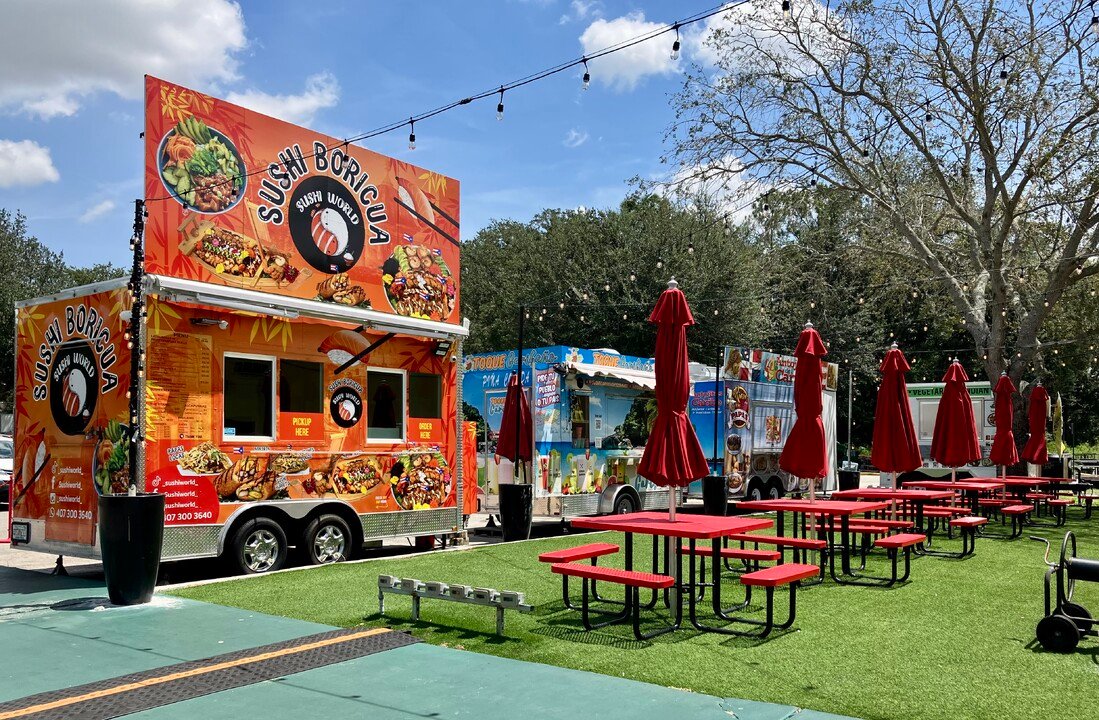
Picture this: it’s 11:45 on a Tuesday, and there’s already a line of twelve people standing outside a battered silver truck parked next to an office park, all waiting for tacos made by a guy who quit his accounting job eighteen months ago. That’s the image most people have in their head when they think about mobile food service. It looks fun, low-overhead, and kind of glamorous in a scrappy way.
The reality is a lot messier — and a lot more interesting.
If you’ve been Googling around trying to figure out whether this path actually makes sense, whether it’s legitimate as a career move, or whether it’s just a trendy way to lose your savings, you’re asking the right questions. Let’s actually get into it.
Quick Answer
Running a mobile food service operation means preparing and selling food from a specially equipped vehicle instead of a fixed storefront. It suits people who want lower startup costs than a traditional restaurant, more flexibility in location, and a faster path to testing a food concept. It’s a legitimate, regulated industry — not a scam or gimmick — but it comes with real risks: permitting headaches, mechanical breakdowns, inconsistent daily revenue, and physically exhausting hours. For the right person with the right concept and enough starting capital, it can absolutely work. For someone expecting easy passive income, it will be a rude awakening.
What Is a Food Truck Business, Exactly?
At its core, it’s a mobile kitchen. You’ve got a vehicle — usually a converted truck, trailer, or van — outfitted with cooking equipment, refrigeration, a serving window, and (depending on local rules) a small prep area. Instead of customers coming to a fixed address, the operator drives the kitchen to where the customers already are: office districts at lunch, breweries on weekend evenings, festivals, farmers markets, private events.
It’s not a new concept, either. Lunch wagons have existed in American cities since the late 1800s, and the modern boom really took off around 2008–2010, when a wave of laid-off chefs and line cooks used trucks as a cheap way to stay in the industry during the recession. Some of today’s biggest restaurant brands — Kogi BBQ in LA is the classic example — started as a single truck with a Twitter account telling people where to find it.
So no, this isn’t some internet-era invention or a loophole. It’s a well-established, licensed form of food retail with its own trade associations, insurance products, and regulatory frameworks in most cities.
How It Actually Works, Day to Day
Here’s the part that surprises people who’ve only seen the highlight reel on social media.
A typical operating day starts hours before the truck even opens its window. Prep work — chopping, marinating, portioning, restocking — often happens the night before or early that morning, sometimes in the truck itself, sometimes in a licensed commissary kitchen (many cities legally require operators to use one, rather than prepping at home).
Then there’s the logistics puzzle: finding a legal parking spot, checking permit requirements for that specific location, dealing with generator fuel or propane levels, and making sure the truck actually starts. Once service begins, it’s usually a tight two- or three-person operation — one person on the grill, one on the register, maybe one running the window — moving fast during a lunch rush that might only last 90 minutes before traffic dies off completely.
After close, there’s cleaning, restocking, driving back to base, and often bookkeeping before the day is really done. It’s a 10–12 hour day for what might be a 3-hour selling window. That ratio catches a lot of new owners off guard.
Main Features of the Model
- Mobility — you can chase foot traffic instead of waiting for it to find you
- Lower startup cost than a full restaurant, though “lower” is relative (more on that below)
- Smaller menu — most successful trucks run 4–8 items max, because kitchen space is brutally limited
- Event-based revenue — private catering gigs, festivals, and breweries often pay flat guarantees, which stabilize income compared to relying on walk-up sales alone
- Social-media-driven marketing — location updates, daily specials, and loyal-follower culture are baked into how most trucks operate
- Seasonal variability — weather, university schedules, and local events swing revenue more than a fixed restaurant would ever experience
Pros and Cons, Honestly
The Upside
Startup costs, while not tiny, are still meaningfully lower than opening a full-service restaurant — you’re looking at one kitchen and one vehicle instead of a lease, buildout, dining room furniture, and a much bigger staff. There’s also flexibility: if a location isn’t working, you drive somewhere else next week. Try doing that with a restaurant lease.
There’s also a genuine testing-ground effect. A lot of owners use the truck as a proof of concept before opening a brick-and-mortar location, since it lets them build a customer base and refine a menu with far less financial exposure.
The Downside
The vehicle itself is a liability that a restaurant never has to think about. Engines break. Generators fail mid-service. A blown transmission can wipe out a week’s profit in one repair bill. Weather is brutal too — a rainy week can gut revenue with zero warning, and there’s no way to “make it up” the way a restaurant with steady walk-in traffic might.
Parking and permitting rules vary wildly by city, and in some places they’re genuinely hostile to trucks, either through high fees or restrictive zoning pushed by brick-and-mortar restaurant lobbies. And the hours are long — genuinely, not in a humble-brag way. Most owners I’ve read accounts from describe the first year as close to unsustainable without serious stamina.
Real-World Scenarios Where This Makes Sense
Think about a line cook with ten years of kitchen experience who wants to finally run their own show but can’t get approved for a $300,000 restaurant loan. A truck, running maybe $60,000–$120,000 depending on condition and equipment, is a realistic entry point.
Or consider a caterer who already has a client base for weddings and corporate events — adding a truck lets them serve walk-up customers on slower weekdays instead of the vehicle sitting idle.
There’s also the seasonal operator: someone who runs a truck at a beach boardwalk all summer, then either stores the vehicle or takes it to festival circuits and holiday markets in winter. It’s a legitimate full-time income for some, and a smart supplemental income stream for others.
Is It Legitimate? Safety and Regulatory Reality
This is a heavily regulated industry, not an unregulated gray-market hustle. In most U.S. jurisdictions, operators need:
- A mobile food vendor permit or license from the local health department
- Regular health inspections, similar in rigor to restaurant inspections
- Fire safety certification if using propane or open flames
- Commercial vehicle registration and insurance
- Often a separate permit for each city or county they operate in, which trips up a lot of first-timers who assumed one permit covers a whole metro area
If you’re a customer wondering “is it actually safe to eat from these,” the honest answer is: it depends on the specific truck, same as any restaurant. Health department grades are usually posted or available online, and a truck operating without visible permits or a posted health grade is a red flag worth avoiding.
Common Problems and Limitations
A few issues come up again and again in owner accounts and industry reporting:
- Commissary kitchen costs eat into margins in cities that require them, sometimes running several hundred dollars a month just for storage and prep access
- Location competition — good spots get claimed early, and some cities auction or lottery prime parking permits
- Equipment failure during peak season is the single most common reason owners describe a bad year
- Staffing is harder than people expect, since the tight physical space and irregular hours make it a tough sell for consistent employees
- Cash flow whiplash — a great festival weekend can be followed by three dead weekdays with almost no walk-up traffic
How It Compares to a Brick-and-Mortar Restaurant
A fixed restaurant offers predictable rent (however high), a stable address customers can find without checking social media, and typically longer operating hours per location. But it also demands vastly higher upfront capital, a lease commitment, and far less flexibility if a neighborhood’s foot traffic dries up.
A truck trades that stability for mobility and a lower financial ceiling on failure — if a spot doesn’t work, the loss is a wasted afternoon, not a broken lease. Neither model is objectively better; it really depends on capital available, risk tolerance, and how much the owner values flexibility versus predictability.
A Practical, Experienced-Eye Opinion
Having looked closely at how these operations actually run, the pattern that stands out is this: the trucks that survive past year two are almost always run by people who treat it like a real operations business, not a lifestyle fantasy. That means tracking daily sales numbers obsessively, building relationships with 3–4 reliable weekly locations instead of chasing a new spot every day, and budgeting for equipment failure as a certainty, not a possibility.
The ones that fail fast usually underestimated the commissary kitchen requirement, permit costs, or simply didn’t budget for a slow winter. It’s not a get-rich-quick setup, and anyone marketing it that way is skipping the parts that matter.
Final Verdict
A food truck business is a real, legitimate, and often rewarding path into food entrepreneurship — but it rewards people who plan for the boring operational stuff, not just the exciting menu development part. If you’ve got a workable concept, enough capital to survive a rough first year, and the physical stamina for long days in a small hot space, it can absolutely work. If you’re picturing an easy passive side hustle, this isn’t that.
Explore more websites like: Sharemyideaz
FAQs
Q: How much does it cost to start a food truck?
A: Costs vary widely, but a realistic range for a used, fully equipped truck runs from roughly $50,000 to $150,000, not counting permits, initial inventory, and commissary kitchen fees. New custom-built trucks can run higher.
Q: Is a food truck business profitable?
A: It can be, but margins are typically thinner than people expect once fuel, permits, commissary fees, and equipment maintenance are factored in. Successful operators often report annual profit in the range of a modest full-time salary, not overnight wealth.
Q: Do I need a special license to run one?
A: Yes. Requirements vary by city and state, but generally include a mobile food vendor permit, health department inspection approval, and sometimes a separate fire safety certificate for propane or open-flame cooking equipment.
Q: What’s the biggest challenge new owners face?
A: Most owner accounts point to equipment reliability and finding consistent, legal parking locations as the two biggest early-stage headaches — more so than cooking or menu development.
Q: Can you run a food truck part-time?
A: Yes, and many people do, especially around weekend events, festivals, and farmers markets, though permit and commissary requirements may still apply even for part-time operation.
Q: Is it a good idea for a first-time restaurant owner?
A: It can be a lower-risk way to test a food concept before committing to a full restaurant lease, which is why many established restaurant owners actually started with a truck first.
