

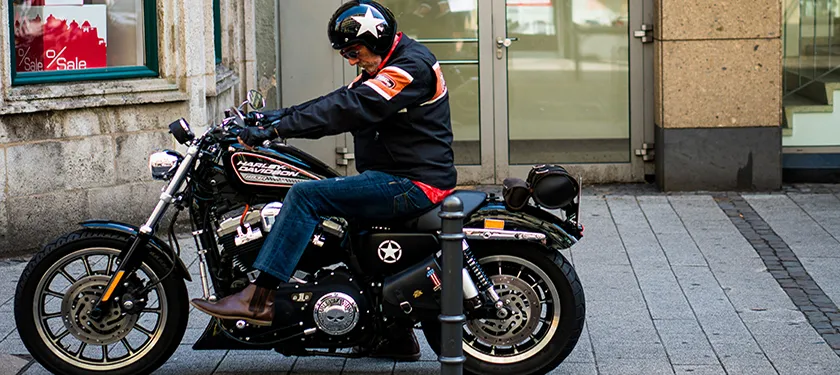
Buying a Harley-Davidson is different from buying many other motorcycles. For some riders, it is a dream they’ve had for years. For others, it is a practical upgrade from a smaller bike. Either way, the price tag can be significant, which is why many people start looking into financing options before visiting a dealership.
The idea sounds simple enough: make monthly payments instead of paying the full amount upfront. But once you start comparing lenders, interest rates, loan terms, and dealership offers, things become a lot less straightforward.
This guide breaks down everything you need to know about financing a harley, including how it works, who it may be suitable for, potential risks, benefits, and whether it actually makes sense in real-world situations.
Quick Answer
Financing a Harley means using a loan to purchase a Harley-Davidson motorcycle and repaying the borrowed amount over time through monthly installments. Depending on your credit score, down payment, and loan term, financing can make ownership more accessible, but it also increases the total amount paid due to interest and fees.
What Is Financing a Harley?
At its core, motorcycle financing works similarly to auto financing.
Instead of paying the full purchase price upfront, a lender pays the dealer on your behalf. You then repay the lender over a fixed period, usually between 24 and 84 months.
The loan may come from:
- A Harley-Davidson dealership
- A bank
- A credit union
- An online lender
- A specialized motorcycle finance company
The motorcycle typically serves as collateral for the loan. If payments stop, the lender may have the legal right to repossess the bike.
Many riders choose financing because modern Harley-Davidson motorcycles can cost anywhere from around $10,000 to well over $40,000 depending on the model and customization options.
How Financing Works
The process is usually straightforward.
Step 1: Choose a Motorcycle
You select the Harley-Davidson model you want.
Popular options include:
- Harley-Davidson Street Glide
- Harley-Davidson Road Glide
- Harley-Davidson Fat Boy
- Harley-Davidson Sportster S
The final purchase price may include:
- Base vehicle cost
- Dealer fees
- Taxes
- Registration fees
- Extended warranties
- Accessories
- Insurance-related requirements
Step 2: Apply for Financing
The lender evaluates:
- Credit score
- Income
- Employment history
- Existing debts
- Down payment amount
Applicants with stronger credit profiles typically receive lower interest rates.
Step 3: Receive Loan Terms
The lender provides:
- Loan amount
- Interest rate (APR)
- Monthly payment
- Loan duration
- Total repayment amount
Step 4: Make Monthly Payments
Payments continue until the loan is fully repaid.
Missing payments can negatively impact credit and may eventually lead to repossession.
Key Features of Motorcycle Financing
When evaluating financing offers, several factors matter.
Fixed Monthly Payments
Most motorcycle loans provide predictable monthly payments, making budgeting easier.
Flexible Loan Terms
Terms often range from:
- 24 months
- 36 months
- 48 months
- 60 months
- 72 months
- 84 months
Longer terms reduce monthly payments but increase total interest costs.
Down Payment Options
Some lenders require a down payment.
Others advertise low-down-payment or no-down-payment programs, though these may result in higher overall borrowing costs.
Early Payoff Possibilities
Many lenders allow early repayment without penalties, though borrowers should always verify this beforehand.
Credit-Based Pricing
Interest rates often depend heavily on creditworthiness.
A rider with excellent credit may receive a much lower rate than someone with a limited or damaged credit history.
Who Is Financing Best For?
Financing is not automatically good or bad. It depends on the buyer’s financial situation.
It may make sense for:
Riders Who Want to Preserve Cash
Instead of spending $20,000 to $30,000 at once, buyers can keep savings available for emergencies or investments.
First-Time Harley Owners
Someone transitioning from a smaller motorcycle may prefer manageable monthly payments rather than waiting years to save the full amount.
Buyers With Stable Income
Regular income makes predictable monthly payments easier to handle.
People Building Credit
Consistent on-time payments can contribute positively to a credit profile.
Pros of Financing a Harley
There are legitimate advantages.
Immediate Ownership
You can purchase the motorcycle without waiting until you’ve saved the entire amount.
Better Cash Flow
Savings remain available for:
- Home expenses
- Emergencies
- Medical costs
- Travel
- Investments
Potential Credit Benefits
Responsible repayment can strengthen credit history over time.
Access to Newer Models
Many buyers can afford newer motorcycles with modern safety and performance features through financing.
Easier Budget Planning
Fixed monthly payments provide predictability.
Cons of Financing a Harley
There are trade-offs as well.
Interest Costs
The motorcycle ultimately costs more than its sticker price.
A loan can add thousands of dollars in interest over several years.
Long-Term Financial Commitment
Monthly payments continue even if circumstances change.
Job loss or unexpected expenses can make repayment difficult.
Depreciation
Motorcycles generally lose value over time.
In some situations, borrowers may owe more than the motorcycle is worth.
Insurance Requirements
Lenders often require comprehensive insurance coverage, increasing ownership costs.
Risk of Repossession
Missed payments can lead to serious financial consequences.
Real-World Examples
Example 1: The Weekend Rider
A rider finds a Harley priced at $18,000.
Rather than emptying savings, they put down $4,000 and finance the remainder over five years.
Their monthly payment fits comfortably within their budget, allowing them to keep emergency funds intact.
In this case, financing provides flexibility.
Example 2: The Impulse Buyer
Another buyer becomes excited at the dealership and accepts the first financing offer available.
Months later, they realize the interest rate is significantly higher than rates offered by local credit unions.
The motorcycle remains enjoyable, but the financing decision becomes expensive.
This scenario happens more often than many people realize.
Example 3: The Credit Builder
A younger rider with limited credit history finances a reasonably priced used Harley.
Making every payment on time helps establish a stronger credit profile while enjoying motorcycle ownership.
Is Financing a Harley Legitimate?
Yes.
Motorcycle financing is a standard and legitimate financial product offered by banks, credit unions, manufacturers, and specialized lenders.
That said, legitimacy does not automatically mean every financing offer is a good one.
Borrowers should review:
- Interest rates
- Loan terms
- Dealer add-ons
- Processing fees
- Prepayment conditions
- Insurance requirements
A legitimate lender should clearly disclose all costs before any agreement is signed.
Safety and Financial Considerations
When evaluating financing a harley, financial safety is often more important than the motorcycle itself.
Read the Entire Contract
Many buyers focus only on monthly payments.
The total repayment amount matters just as much.
A lower monthly payment can sometimes hide a significantly higher total cost.
Watch for Add-On Products
Dealerships may offer:
- Extended warranties
- Maintenance plans
- GAP coverage
- Tire protection packages
Some can provide value.
Others may unnecessarily increase the loan balance.
Avoid Borrowing Beyond Your Budget
A motorcycle payment should not create financial stress every month.
A good rule is that motorcycle ownership should remain enjoyable rather than becoming a financial burden.
Verify Interest Rates
Compare offers from:
- Credit unions
- Banks
- Online lenders
- Dealership financing programs
Even a small difference in APR can save substantial money over the life of a loan.
Common Problems and Limitations
Many borrowers encounter similar issues.
High Interest for Poor Credit
Subprime borrowers often face significantly higher borrowing costs.
Hidden Fees
Some loans include:
- Origination fees
- Documentation fees
- Processing charges
These should be reviewed carefully.
Negative Equity
Long loan terms can create situations where the remaining loan balance exceeds the motorcycle’s resale value.
Insurance Costs
New riders are sometimes surprised by insurance premiums, especially on expensive touring models.
Emotional Purchasing Decisions
Motorcycles are passion purchases.
Excitement can sometimes overshadow sound financial judgment.
Financing vs Paying Cash
Paying Cash
Advantages:
- No interest
- Immediate ownership
- Simpler transaction
- Lower overall cost
Disadvantages:
- Large upfront expense
- Reduced savings
- Less liquidity
Financing
Advantages:
- Lower initial cost
- Improved cash flexibility
- Potential credit-building opportunities
Disadvantages:
- Interest expenses
- Long-term obligation
- More paperwork
- Potential repossession risk
Neither option is universally better.
The right choice depends on personal finances, income stability, and financial goals.
Financing Through a Dealership vs a Credit Union
Dealership Financing
Pros:
- Convenient
- Fast approval process
- Promotional offers sometimes available
Cons:
- Rates may not always be the lowest
- Pressure to purchase add-ons
Credit Union Financing
Pros:
- Often competitive rates
- Member-focused service
- Transparent loan structures
Cons:
- Membership requirements may apply
- Approval process can take longer
Many experienced buyers secure pre-approval from a credit union before visiting a dealership.
This provides a useful benchmark when comparing offers.
Expert Practical Opinion
After reviewing countless vehicle financing situations over the years, one pattern appears repeatedly.
The smartest buyers focus on total ownership cost rather than monthly payment size.
A dealership might advertise a very affordable payment, but extending the loan over six or seven years can dramatically increase interest expenses.
A practical approach is:
- Compare multiple lenders.
- Make a meaningful down payment if possible.
- Choose the shortest affordable loan term.
- Keep emergency savings intact.
- Avoid financing unnecessary extras.
For many riders, the motorcycle itself becomes only part of the overall financial picture. Insurance, maintenance, gear, fuel, and registration costs all add up.
Is Financing a Harley Actually Useful?
For many people, yes.
It allows access to a motorcycle without requiring a large upfront cash payment.
It can be particularly useful when:
- Income is stable
- Emergency savings remain intact
- Loan terms are competitive
- Monthly payments comfortably fit the budget
However, financing becomes less useful when:
- Interest rates are extremely high
- Payments strain finances
- The purchase is driven by impulse rather than planning
The value of financing depends less on the motorcycle and more on the quality of the loan agreement.
Final Verdict
Financing a Harley can be a practical tool when used responsibly. It gives riders access to motorcycles they might otherwise need years to save for, while preserving cash flow and potentially helping build credit.
The key is understanding the full cost of borrowing. Interest rates, loan terms, insurance requirements, and dealer fees can significantly affect affordability.
For financially prepared buyers with stable income and realistic expectations, financing can be a reasonable path to Harley ownership. For those already struggling with debt or uncertain income, waiting and saving more may be the wiser option.
The motorcycle should bring freedom and enjoyment, not ongoing financial stress.
Read More Expert Articles on: Sharemyideaz
FAQs
Q: Is financing a Harley difficult to get approved for?
A: Approval depends on factors such as credit score, income, employment history, debt levels, and down payment amount. Applicants with stronger financial profiles generally have an easier approval process.
Q: What credit score is typically needed?
A: Requirements vary by lender. Higher credit scores usually qualify for better interest rates, while lower scores may still be approved but at higher borrowing costs.
Q: Can I finance a used Harley-Davidson motorcycle?
A: Yes. Many banks, credit unions, and motorcycle lenders offer financing for used motorcycles, although loan terms and rates may differ from new-bike financing.
Q: Is a down payment required?
A: Not always. Some lenders offer low-down-payment or no-down-payment programs, but a larger down payment often reduces monthly payments and total interest costs.
Q: Can I pay off the loan early?
A: Many motorcycle loans allow early repayment, but borrowers should review the contract to confirm whether any prepayment penalties apply.
Q: Is financing better than paying cash?
A: It depends on your financial situation. Paying cash avoids interest costs, while financing preserves savings and spreads payments over time.
Q: What happens if I miss payments?
A: Missed payments can damage credit scores, generate fees, and eventually lead to repossession of the motorcycle if the issue remains unresolved.
Q: Are dealership financing offers always the best option?
A: No. Comparing dealership offers with banks and credit unions often helps buyers find more competitive rates and better loan terms.
