

I still remember the first time I had to find a space for a small retail idea a friend was starting. We typed a dozen variations into Google, clicked through listing after listing, and honestly felt a little lost. Square footage, zoning, lease terms, hidden fees — none of it was explained in plain language anywhere. That confusion is basically why this guide exists.
If you’ve ever searched for business locations for rent and felt overwhelmed by jargon, mismatched listings, or vague pricing, you’re not alone. This guide breaks the whole thing down — what it actually means, how the process works, what to watch for, and whether it’s genuinely useful or just another search term that leads to a maze of brokers and ads.
Quick Answer (For Those in a Hurry)
Business locations for rent refer to commercial properties — retail shops, offices, warehouses, restaurants, or mixed-use spaces — that owners or landlords lease out to businesses instead of selling. They’re typically listed on commercial real estate platforms, through brokers, or directly by property owners, and pricing depends on location, size, lease length, and condition of the space. They’re useful for startups, expanding businesses, or anyone who needs a physical presence without the long-term commitment of buying property.
That’s the short version. Now let’s get into the details that actually matter when you’re making a real decision.
What Does “Business Locations for Rent” Actually Mean?
At its core, this phrase covers any commercial space that’s available to lease rather than buy. That’s a wide net — it can include:
- A small storefront on a busy street
- An office suite in a corporate building
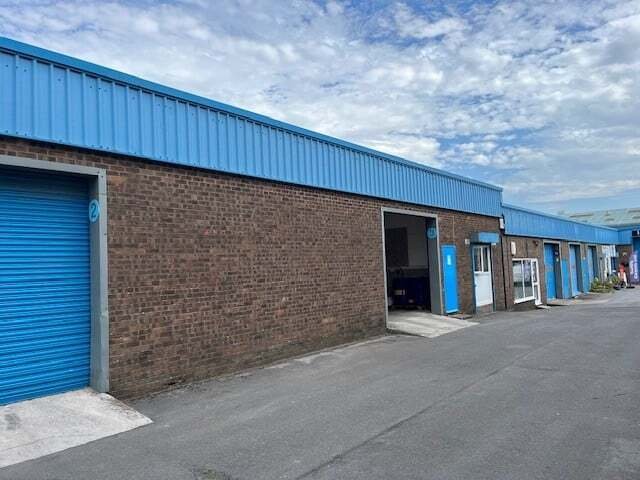
- A warehouse for inventory or light manufacturing
- A co-working space or shared office
- A restaurant shell with existing kitchen infrastructure
- A pop-up retail spot for short-term use
What ties these together isn’t the type of business — it’s the rental arrangement. Instead of a 30-year mortgage, you sign a lease, usually anywhere from one to ten years, sometimes shorter for flexible or pop-up arrangements.
Here’s something people don’t always realize: “business location” doesn’t always mean a traditional storefront. It can be a single desk in a shared office, a section of a larger warehouse, or even a kiosk inside a mall. The term is broader than most people assume when they first search for it.
How the Process Actually Works
Renting a commercial space follows a different rhythm than renting an apartment. It’s slower, more negotiable, and frankly, more paperwork-heavy.
1. Searching and shortlisting Most people start on commercial listing sites, through a local broker, or by walking neighborhoods and calling numbers on “for lease” signs. Yes, that old-school method still works surprisingly often, especially in smaller cities.
2. Touring the space This step matters more than people expect. Photos online can be deceiving — angles, lighting, even the absence of nearby construction noise can be hidden in a listing. Always tour in person if possible.
3. Reviewing lease terms This is where things get complicated. Commercial leases aren’t like residential ones. You’ll see terms like:
- Triple net lease (NNN) — tenant pays rent plus property taxes, insurance, and maintenance
- Gross lease — landlord covers most operating costs, rent is usually higher
- Modified gross lease — a mix of both, negotiated case by case
4. Negotiation Almost everything in commercial leasing is negotiable — rent-free periods, build-out allowances, renewal options. Many first-time renters don’t realize this and just accept the first offer, which honestly is leaving money on the table.
5. Signing and move-in Once terms are agreed, you’ll sign a lease, possibly involving a lawyer for anything beyond a basic short-term agreement. Then comes permits, utilities, and any necessary renovations before opening day.
Main Features to Look For
Not every commercial listing tells you everything you need. Here’s what experienced renters actually pay attention to:
- Zoning compliance — confirms the space is legally allowed for your type of business
- Foot traffic data — especially critical for retail or food businesses
- Parking availability — often overlooked until customers complain
- Lease flexibility — shorter terms or early exit clauses matter for new businesses
- Utility and internet infrastructure — particularly important for tech-based or hybrid businesses
- ADA accessibility — a legal requirement in many regions, not optional
- Build-out condition — “vanilla shell” spaces need more work (and money) than ready-to-use ones
A space that looks perfect in photos but lacks proper zoning or has outdated electrical systems can turn into a costly mistake fast.
Pros and Cons
Pros
- Lower upfront cost compared to buying property
- Flexibility to relocate or scale as the business grows
- No long-term financial risk tied to property value drops
- Easier exit if the business doesn’t work out
- Often includes maintenance support depending on lease type
Cons
- Rent can increase significantly at renewal
- No equity built — you’re paying into someone else’s asset
- Lease terms can be restrictive (no subletting, limited modifications)
- Hidden costs like CAM (common area maintenance) fees can add up
- Market competition for prime locations can drive prices up fast
Honestly, for most small and mid-sized businesses, renting still makes more sense than buying — at least in the early years. Ownership becomes more appealing once revenue is stable and predictable.
Real-World Examples
A friend who opened a small bakery initially rented a 600-square-foot space in a strip mall on a two-year lease. It wasn’t glamorous, but it let her test demand without risking everything on a property purchase. When sales grew, she renegotiated for a larger unit two doors down — something that wouldn’t have been possible if she’d bought the original space outright.
On the flip side, I’ve heard of businesses signing five-year leases on spaces that looked great on paper but turned out to be in declining foot-traffic areas — a mall losing anchor stores, for example. Within two years, they were stuck paying rent for a location that no longer brought in customers, with no easy way out of the lease.
Both stories are common. Renting reduces risk, but it doesn’t eliminate it.
Safety, Privacy, and Legitimacy Concerns
This is where a lot of people get burned, especially when searching online.
Common red flags:
- Listings with unusually low rent for a prime area
- Landlords who avoid in-person meetings or video calls
- Requests for deposits before a lease is signed or the space is viewed
- No verifiable business registration or property ownership documents
How to verify legitimacy:
- Confirm property ownership through local property records (often public)
- Use licensed commercial brokers when possible
- Never wire money before signing a legally reviewed lease
- Cross-check the listing across multiple platforms — duplicate or inconsistent details are a warning sign
Most legitimate commercial property listings come through established platforms or licensed brokers. That doesn’t mean independent landlords are automatically untrustworthy — many are perfectly legitimate — but extra verification is worth the time.
Common Problems and Limitations
Even with a legitimate space and a fair lease, things can go sideways. A few recurring issues:
- Unexpected maintenance responsibilities that weren’t clearly outlined upfront
- Slow permit approval delaying opening dates by weeks or months
- Lease clauses that restrict signage, hours, or renovations
- Shared spaces (like co-working) becoming overcrowded, reducing the value of what you’re paying for
- Landlords unresponsive to repair requests, especially in older buildings
None of these are dealbreakers on their own, but they’re worth asking about before signing anything.
Comparison With Alternatives
| Option | Best For | Trade-off |
| Renting a commercial space | Most small-to-mid businesses | No equity, rent increases |
| Buying commercial property | Established, stable businesses | High upfront cost, less flexibility |
| Co-working / shared space | Freelancers, small teams | Less privacy, shared resources |
| Virtual office / remote-first | Online businesses, consultants | No physical presence for customers |
There’s no universally “best” option — it depends on cash flow, growth stage, and how much physical presence your business actually needs.
An Honest, Practical Opinion
If I’m being straightforward: renting a business location is usually the smarter move early on, even if it feels less “official” than owning a building. The flexibility alone is worth it — markets shift, neighborhoods change, and being locked into a property you can’t easily leave is a real risk most new businesses can’t afford to take.
That said, don’t rush the lease review. I’ve seen people get excited about a great-looking space and skim past the fine print, only to be surprised by a rent escalation clause two years later. A lawyer’s review fee upfront is almost always cheaper than the cost of a bad lease.
Final Verdict
Business locations for rent are a legitimate and often necessary part of starting or growing a business. They offer flexibility and lower financial risk compared to buying, but they come with their own complexities — lease terms, hidden costs, and legitimacy checks that shouldn’t be skipped.
It’s not a perfect system, and it’s definitely not as simple as the search term makes it sound. But for most businesses, especially in the early stages, renting remains the more practical and lower-risk path forward.
Explore more websites like: Sharemyideaz
FAQs
Q: What’s the difference between a commercial lease and a residential lease?
A: Commercial leases are generally longer, more negotiable, and place more responsibility on the tenant for costs like taxes, insurance, and maintenance, depending on the lease type.
Q: How much does it typically cost to rent a business location?
A: Costs vary widely by city, neighborhood, and space type — from a few hundred dollars a month for a small office in a smaller town to several thousand for prime retail space in a major city.
Q: Can I negotiate the rent on a commercial space?
A: Yes, almost always. Rent, lease length, build-out allowances, and renewal terms are typically negotiable, especially if the space has been vacant for a while.
Q: Is it better to rent or buy a business location?
A: For most new or growing businesses, renting offers more flexibility and lower upfront risk. Buying tends to make more sense once the business has stable, predictable revenue.
Q: How do I know if a commercial listing is legitimate?
A: Verify property ownership through public records, work with licensed brokers when possible, and never send money before reviewing and signing a proper lease agreement.
Q: What should I check before signing a commercial lease?
A: Zoning compliance, total costs (including CAM fees), maintenance responsibilities, renewal terms, and any restrictions on modifications or subletting.
