

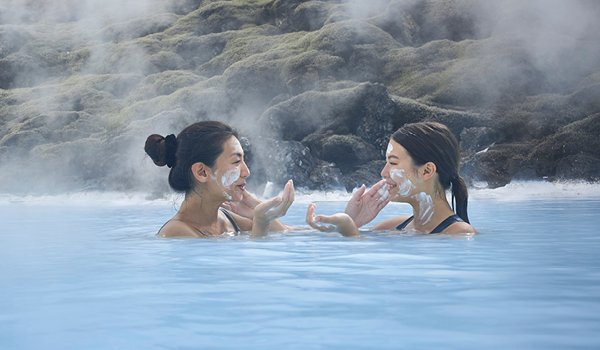
I’ll admit something upfront: the first time a friend mentioned she was heading to a “blue lagoon health spa” for the weekend, I assumed she meant the famous geothermal lagoon in Iceland. She didn’t. Turns out there are several wellness centers around the world — and a fair number of smaller, locally branded spas — that use some version of the name “Blue Lagoon” for their health spa offerings. That mix-up is actually pretty common, and it’s worth untangling before you book anything.
This article isn’t about hyping up a single destination. It’s about helping you understand what a “blue lagoon health spa” experience generally involves, what to expect, what to watch out for, and whether it’s actually a good use of your money and time.
Quick Answer (For Anyone in a Hurry)
A blue lagoon health spa typically refers to a wellness facility built around mineral-rich or geothermal water — sometimes a naturally occurring lagoon, sometimes an artificially created pool designed to mimic one. These spas usually combine warm mineral baths with skincare treatments, massage therapy, saunas, and relaxation areas. They’re generally safe for healthy adults, can offer real short-term benefits for skin and stress relief, but they are not a medical treatment and shouldn’t replace professional healthcare for chronic conditions.
If you’re booking one specifically because of skin issues, joint pain, or stress, it can help — but go in with realistic expectations, not miracle-cure ones.
What Is a Blue Lagoon Health Spa, Exactly?
The term gets used in two different ways, and the confusion matters.
First, there’s the literal Blue Lagoon — the geothermal spa in Iceland, fed by mineral-rich water from a nearby geothermal power plant. It’s become almost synonymous with luxury wellness tourism, known for its milky blue water, silica mud masks, and otherworldly volcanic scenery.
Second — and this is where most people searching this term actually land — there are independently run “blue lagoon” branded health spas in cities and resort towns worldwide. These aren’t affiliated with the Icelandic original. They borrow the name because it evokes calm, clean, mineral-rich water, which is a smart branding move, honestly. Some of these are legitimate, well-run wellness centers. Others are smaller local businesses riding on the name’s reputation without the geothermal pedigree.
So before booking, it’s worth checking exactly which “blue lagoon health spa” you’re looking at, since the quality, pricing, and treatments can vary wildly depending on location and ownership.
How a Blue Lagoon Health Spa Works
Most of these spas follow a similar operational model, even if the specific water source differs.
Guests typically move through a sequence: check-in, change into swimwear, shower (often mandatory for hygiene reasons), then enter the main lagoon or pool area. Water temperature is usually kept between 98–104°F (37–40°C), which is warm enough to relax muscles without overheating the body during a typical 60–90 minute soak.
From there, most facilities offer add-ons:
- Silica, mud, or algae mask applications while soaking
- In-water or poolside massage therapy
- Steam rooms and dry saunas
- Cold plunge pools for contrast therapy
- Private changing and relaxation lounges
- Skincare or facial treatments post-soak
The mineral content — often rich in silica, sulfur, or salts depending on the source — is the main selling point. These minerals are marketed as beneficial for skin conditions like psoriasis and eczema, and for general relaxation and circulation.
It’s worth noting that water quality and filtration standards differ between facilities. A naturally fed geothermal spa with high turnover and active filtration is a very different beast from a smaller pool that’s chemically treated and re-circulated. Both can be “blue lagoon health spas” by name, but the experience and hygiene standards won’t be identical.
Main Features You’ll Typically Find
Not every blue lagoon health spa offers everything, but here’s what tends to show up across most reputable ones:
- Mineral or geothermal-style soaking pools, often the centerpiece of the whole experience
- Skincare treatments, including masks made from silica mud, algae, or other local minerals
- Massage and bodywork services, ranging from basic Swedish massage to specialized aquatic massage
- Sauna and steam facilities, usually included with general admission
- Relaxation lounges, sometimes with food and drink service
- Day passes or membership tiers, with premium packages including robes, slippers, and private changing rooms
Some larger facilities also run wellness programs — multi-day retreats combining the spa experience with yoga, nutrition counseling, or guided meditation. These tend to be pricier and aimed at people seeking a more structured wellness reset rather than a single relaxing afternoon.
Pros and Cons
I think it’s more useful to be honest here than to just list generic benefits, so let’s go through both sides.
What’s genuinely good about it:
- The warm mineral water does provide real, if temporary, relief for muscle tension and stress — this isn’t placebo, warm water immersion has documented relaxation effects
- Silica and mineral masks can leave skin feeling smoother, at least short-term
- It’s a legitimate way to disconnect for a few hours, which has real mental health value even if it’s not “treatment”
- Many locations are genuinely beautiful, which adds to the experience in a way that’s hard to quantify but easy to feel
What’s less great:
- Prices can be steep, especially for premium packages with multiple treatments
- The marketing sometimes oversells the health benefits — skin conditions like psoriasis may see temporary improvement, not a cure
- Crowded peak times can undercut the “relaxing escape” feeling pretty quickly
- Quality varies a lot between branded locations, so one “blue lagoon health spa” experience doesn’t guarantee the same at another with a similar name
- Some smaller operations may not maintain water quality to the standards larger, regulated facilities do
Real-World Scenarios Where This Makes Sense
A few situations where I’d genuinely recommend trying one:
You’ve had a physically demanding week — moving apartments, a long hiking trip, a stretch of bad sleep — and you want something that actually helps your body recover, not just another coffee shop visit. The warm soak plus massage combo genuinely helps here.
You’re traveling somewhere with a well-known geothermal or mineral spa nearby, and it’s a once-in-a-while opportunity rather than a recurring expense. In that context, it’s worth the splurge.
You have mild eczema or dry skin and want a complementary, non-medical way to soothe symptoms alongside whatever your dermatologist has already recommended. Note the word “alongside” — not “instead of.”
Where I’d be more cautious: if you’re booking a spa visit specifically hoping to treat a chronic skin condition, manage arthritis, or address a mental health issue, and you’re skipping or delaying actual medical care because of it. That’s where expectations and reality tend to diverge.
Safety, Privacy, and Legitimacy
This is the part people often skip, but it matters.
Water and hygiene safety: Reputable facilities follow local health codes for pool sanitation, water turnover, and mineral content monitoring. Before booking, especially at a smaller or unfamiliar location, it’s reasonable to look up recent reviews specifically mentioning cleanliness — not just “relaxing” or “beautiful,” but actual hygiene comments.
Medical safety: People with open wounds, certain heart conditions, pregnancy complications, or compromised immune systems should check with a doctor before soaking in hot mineral water for extended periods. Heat exposure isn’t risk-free for everyone, even though it’s marketed as universally relaxing.
Booking and payment legitimacy: Because “blue lagoon” is used by multiple unrelated businesses, it’s worth double-checking you’re booking through the official website or a verified third-party platform, not a copycat site. Scam booking pages mimicking popular spa names aren’t unheard of, especially around peak tourist seasons.
Data privacy: If you’re booking online and providing health information (skin conditions, allergies, etc.) as part of a treatment intake form, check that the business has a clear privacy policy. Smaller independent spas sometimes have weaker data handling practices than larger, established wellness chains.
Common Problems and Limitations
A few recurring complaints show up across reviews of various blue lagoon-branded spas:
Overcrowding during peak hours is probably the most common one — the serene, dreamy photos rarely match a Saturday afternoon crowd. Booking early morning or weekday slots tends to solve this.
Hidden costs are another frequent gripe. Base admission might be reasonable, but towels, robes, locker rentals, and “premium” mineral masks often cost extra, and it adds up fast if you’re not paying attention at booking.
Temperature inconsistency — some guests report the water being noticeably cooler than advertised, especially in outdoor facilities during colder seasons. Worth checking recent reviews for seasonal feedback specifically.
And then there’s the expectation gap: people expecting Iceland-level visuals from a small, locally branded spa with a similar name are often disappointed. Managing your own expectations based on the actual location, not just the name, makes a real difference here.
How It Compares to Alternatives
If you’re weighing a blue lagoon health spa against other wellness options, here’s a rough breakdown:
Versus a traditional day spa: Blue lagoon-style spas usually center around a shared soaking pool experience, while traditional day spas focus more on individual treatment rooms. If you prefer a communal, social wellness experience, lagoon-style wins. If you want privacy and one-on-one focused treatment, a standard day spa might suit you better.
Versus hot springs resorts: Natural hot springs often have fewer amenities but stronger claims to genuine geothermal mineral content. Blue lagoon health spas, particularly the branded, non-Icelandic ones, sometimes use heated and mineral-supplemented water rather than fully natural geothermal sources — not necessarily worse, just different, and worth knowing before you go in expecting “natural” water.
Versus home spa treatments: Epsom salt baths and at-home masks are cheaper and more convenient, obviously, but they don’t replicate the scale, water volume, or social/escape element of an actual spa visit. For occasional deep relaxation, the real-world experience still has an edge.
My Honest, Practical Take
Having looked into a fair number of these facilities and talked to people who’ve visited various blue lagoon-branded spas, here’s where I land: the experience itself is usually worth it for what it is — a few hours of genuine relaxation, mild skin benefits, and a nice change of pace from regular life. The mistake people make is treating it like a wellness cure rather than what it really is, a pleasant, mildly therapeutic experience.
If you’re choosing between locations with similar branding, prioritize recent reviews over marketing photos, check actual water source and hygiene practices, and book during off-peak hours if you want the relaxation the marketing promises. Don’t expect medical-grade results, and you won’t be disappointed.
Final Verdict
A blue lagoon health spa is a legitimate, generally safe way to relax, soothe muscle tension, and enjoy mineral-rich water in a scenic setting — provided you pick a reputable location and keep your expectations grounded in reality rather than marketing copy. It’s not a medical treatment, and it shouldn’t replace professional care for chronic conditions, but as an occasional wellness indulgence, it holds up.
Read More Expert Articles on: Sharemyideaz
FAQs
Q: Is a blue lagoon health spa good for skin conditions like eczema or psoriasis?
A: Many people report short-term relief from dryness and irritation thanks to the mineral content in the water, but it’s not a clinical treatment. It’s best used alongside, not instead of, medical advice from a dermatologist.
Q: How long should I stay in a mineral lagoon pool?
A: Most facilities recommend 60–90 minutes per session. Staying longer in hot water can lead to dehydration or lightheadedness, so it’s worth taking breaks and drinking water during your visit.
Q: Are blue lagoon health spas safe during pregnancy?
A: Extended exposure to very warm water isn’t recommended during pregnancy without medical clearance. If you’re pregnant and want to visit, check with your doctor first and ask the spa about lower-temperature pool options.
Q: Is the “Blue Lagoon” name trademarked or exclusive to Iceland’s facility?
A: No — multiple independently owned spas around the world use similar “blue lagoon” branding. They are not affiliated with the original Icelandic geothermal spa, so it’s worth confirming exactly which facility you’re booking before you travel.
Q: How much does a typical blue lagoon health spa visit cost?
A: Pricing varies significantly by location, ranging from budget-friendly local spas to premium, multi-hundred-dollar experiences at well-known geothermal destinations. Always check what’s included in admission versus what counts as a paid add-on.
Q: Can I visit a blue lagoon health spa if I have a heart condition?
A: Hot water immersion can affect blood pressure and heart rate, so anyone with cardiovascular issues should consult a doctor before booking an extended soak, especially in higher-temperature pools.
