

Introduction
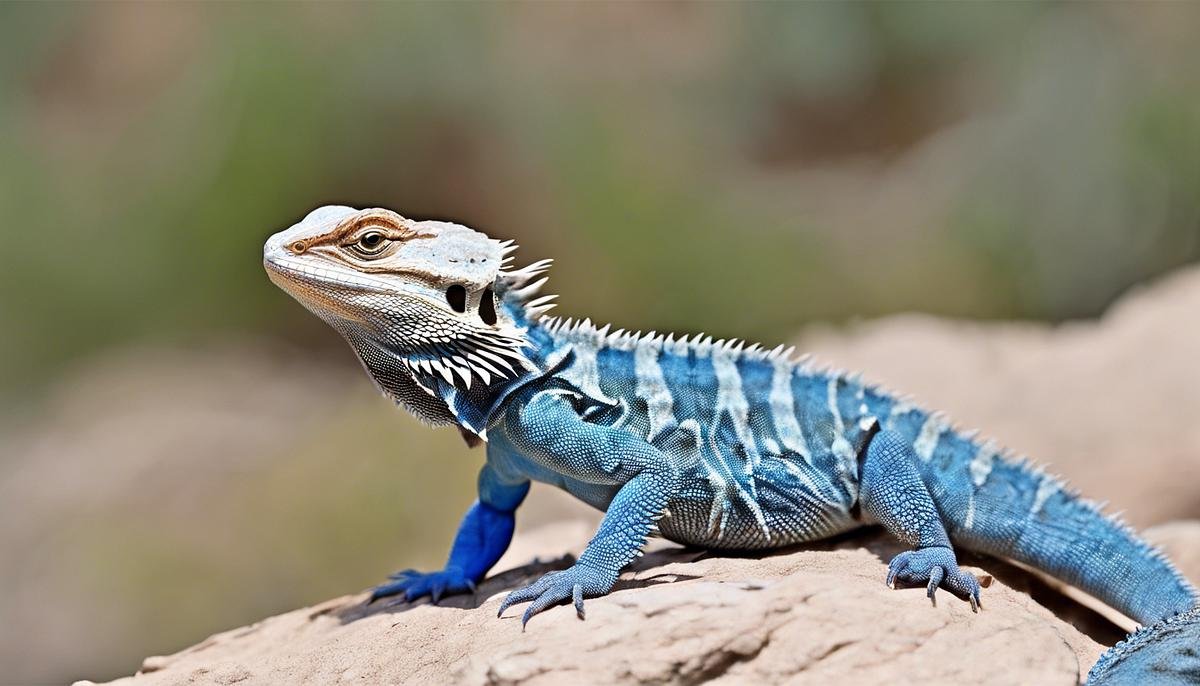
Few reptiles attract attention quite like a bearded dragon with a striking blue appearance. The first time many people see photos online, they often wonder whether it’s a rare species, a special morph, or simply a camera trick. That curiosity is understandable. The reptile world is full of unusual color variations, and social media has made exotic-looking pets more visible than ever.
If you’re researching a blue-colored beardie, you’re probably asking a few practical questions. Is it real? Is it rare? Does it require special care? Is it a good pet for beginners?
The answers are more nuanced than many websites suggest.
This guide explains what these dragons are, why some appear blue, how they differ from standard color variations, their care requirements, advantages, drawbacks, safety considerations, and whether owning one makes sense in everyday life.
Quick Answer
A blue bearded dragon is not typically a separate species. The term usually refers to a bearded dragon that displays bluish coloration due to genetics, skin pigmentation, lighting conditions, shedding phases, or selective breeding. Care requirements remain largely the same as those of standard bearded dragons, making them suitable for many reptile enthusiasts when properly cared for.
What Is a Blue Bearded Dragon?
The term is commonly used to describe a bearded dragon that shows noticeable blue tones on parts of its body. These shades may appear on the beard, sides, tail, head, or overall body coloration.
Bearded dragons belong to the genus Pogona, with Pogona vitticeps being the most common species kept as pets.
Interestingly, reptiles do not always display colors the same way mammals do. A dragon may look gray under one light source and show hints of blue under another. Some individuals develop temporary blue coloration during growth stages or shedding cycles.
Because of this, many animals marketed under this label may not remain visibly blue throughout their lives.
Why Do Some Bearded Dragons Look Blue?
The answer involves several factors rather than a single cause.
Genetics
Selective breeding has produced numerous color morphs and patterns. Certain genetic combinations can create cooler-toned pigmentation that appears blue under specific lighting conditions.
Breeders often focus on:
- Color intensity
- Pattern reduction
- Scale texture
- Pigment expression
- Unique visual traits
Some dragons inherit characteristics that produce bluish undertones, especially when young.
Shedding Process
Many juvenile reptiles display temporary coloration before shedding.
Owners frequently notice:
- Pale gray patches
- Light blue hues
- Metallic-looking skin
This appearance usually disappears after the old skin sheds.
A first-time owner might think they purchased a rare morph when, in reality, the dragon is simply preparing to shed.
Lighting Conditions
LED lighting, photography filters, and enclosure lighting can dramatically affect appearance.
A dragon photographed under cool white LEDs may appear noticeably bluer than it actually is.
This is one reason online images can sometimes create unrealistic expectations.
Stress and Mood Changes
Bearded dragons can darken or lighten portions of their body depending on:
- Temperature
- Stress levels
- Health status
- Environmental conditions
While blue coloration isn’t typically a direct stress indicator, skin tones can shift enough to alter perceived color.
Physical Characteristics
These reptiles generally share the same body structure as standard bearded dragons.
Typical Appearance
Features include:
- Triangular head
- Spiny scales
- Broad body
- Thick tail
- Expandable beard area
- Strong limbs
The difference is primarily visual coloration rather than physical structure.
Size
Most adults reach:
| Feature | Average Range |
| Length | 16–24 inches |
| Weight | 280–600 grams |
| Lifespan | 8–15 years |
Proper care significantly influences lifespan.
How Does a Bearded Dragon’s Coloration Work?
Reptile skin contains specialized pigment cells known as chromatophores.
These cells help create various colors and patterns.
Major pigment cells include:
- Melanophores (dark pigments)
- Xanthophores (yellow pigments)
- Iridophores (reflective pigments)
The interaction among these cells can produce unexpected visual effects.
In some cases, reflective skin layers scatter light in ways that create a bluish appearance even when blue pigment itself is limited.
This phenomenon is similar to how certain birds appear blue despite lacking actual blue pigments.
Keep Reading with: Sharemyideaz
Main Features
People interested in unique reptile pets often focus on appearance first, but there is much more to appreciate.
Attractive Color Variations
The most obvious appeal is visual uniqueness.
Many enthusiasts enjoy owning reptiles with uncommon color traits that stand out from standard tan or brown individuals.
Calm Temperament
Bearded dragons are often considered among the friendliest reptile pets.
Many become comfortable with:
- Handling
- Human interaction
- Routine care
This makes them appealing to beginners.
Daytime Activity
Unlike many reptiles, beardies are active during the day.
Owners can observe them:
- Exploring
- Basking
- Hunting insects
- Watching their surroundings
Easy Observation
Their behaviors are fascinating and easy to observe compared with more secretive reptile species.
Care Requirements
Color does not significantly change husbandry needs.
Enclosure Setup
Adult dragons require spacious housing.
Recommended minimum:
- 120-gallon enclosure for adults
- Secure ventilation
- Climbing areas
- Basking platform
Bigger is often better.
Temperature
A proper thermal gradient is essential.
Typical ranges:
| Area | Temperature |
| Basking Spot | 100–110°F |
| Warm Side | 85–95°F |
| Cool Side | 75–85°F |
| Night | 65–75°F |
Incorrect temperatures contribute to health issues.
UVB Lighting
This is arguably the most important requirement.
Without proper UVB exposure:
- Bone disease can develop
- Calcium absorption decreases
- Growth problems may occur
High-quality UVB lighting should never be skipped.
Diet
A balanced diet includes:
Juveniles:
- More insects
- Higher protein intake
Adults:
- More vegetables
- Moderate insect consumption
Common foods include:
- Dubia roaches
- Crickets
- Collard greens
- Mustard greens
- Squash
- Bell peppers
Pros and Cons
Pros
- Unique appearance
- Friendly temperament
- Beginner-friendly compared to many reptiles
- Daytime activity patterns
- Long lifespan
- Interactive behavior
- Widely available care information
Cons
- Setup costs can be significant
- UVB equipment requires replacement
- Live insect feeding is necessary
- Color may change over time
- Some sellers exaggerate rarity
- Veterinary care for reptiles can be expensive
Real-World Ownership Experience
Many new reptile owners become fascinated by unusual morphs.
A common scenario looks something like this:
Someone sees photos online showing vivid blue coloration and decides to purchase one immediately. A few months later, the dragon matures and the blue tones become less pronounced.
The owner isn’t necessarily disappointed, but expectations sometimes differ from reality.
Experienced keepers often recommend focusing on:
- Health
- Genetics
- Temperament
rather than color alone.
A healthy dragon with a great personality tends to be far more rewarding than one purchased solely for appearance.
Is the Blue Bearded Dragon Rare?
The answer depends on the specific animal.
Some genuinely uncommon color expressions exist.
However, many reptiles advertised this way are not exceptionally rare.
Marketing can sometimes exaggerate exclusivity.
When evaluating rarity, consider:
- Breeder reputation
- Genetic lineage
- Photographs under natural lighting
- Adult coloration history
If a seller claims an extremely rare morph, ask for detailed information.
Safety Considerations
Safe Around People?
Generally yes.
Bearded dragons are known for being among the gentlest reptile pets.
That said, they can still:
- Bite when frightened
- Scratch with claws
- Become stressed by improper handling
Children should always be supervised.
Salmonella Risk
Like many reptiles, they may carry Salmonella bacteria.
Good hygiene practices include:
- Washing hands after handling
- Cleaning enclosures regularly
- Keeping reptiles away from food preparation areas
These simple habits significantly reduce risk.
Heat Equipment Safety
Owners sometimes overlook enclosure hazards.
Potential concerns include:
- Overheated basking bulbs
- Faulty thermostats
- Electrical issues
Quality equipment helps prevent accidents.
Common Health Problems
Regardless of coloration, these reptiles may experience several health issues.
Metabolic Bone Disease
Usually caused by:
- Poor UVB exposure
- Calcium deficiency
This is among the most common preventable conditions.
Impaction
Can occur when an inappropriate substrate is swallowed.
Parasites
Internal parasites occasionally affect captive reptiles.
Respiratory Infections
Improper humidity or temperature may contribute to respiratory problems.
Regular veterinary checkups help identify issues early.
Legitimacy: Is the Blue Color Real or a Marketing Trick?
This question appears frequently.
The answer is somewhere in the middle.
Some dragons genuinely display blue coloration.
Others appear blue because of:
- Photography editing
- Special lighting
- Temporary shedding stages
- Selective image angles
Responsible breeders typically provide realistic photos under natural lighting.
When evaluating listings:
Good Signs
- Multiple photos
- Natural lighting
- Detailed lineage information
- Health guarantees
Warning Signs
- Excessive photo filters
- Unrealistically bright colors
- Claims of impossible rarity
- No information about genetics
Careful research helps avoid disappointment.
Comparison With Other Popular Morphs
Standard Bearded Dragons
Advantages:
- Lower cost
- Easier availability
- Same care requirements
Hypomelanistic Morphs
Known for:
- Lighter coloration
- Reduced dark pigmentation
Leatherback Morphs
Characteristics:
- Smoother scales
- More vivid colors
Zero Morphs
Features:
- Nearly patternless appearance
- White or silver coloring
Each morph appeals to different enthusiasts.
The blue bearded dragon aesthetic tends to attract keepers who want something unusual without moving into extremely expensive designer morphs.
Who Is It Best For?
These reptiles are generally suitable for:
Beginners
Their manageable care requirements make them one of the most recommended starter reptiles.
Families
With supervision, they can be excellent educational pets.
Reptile Enthusiasts
Collectors often appreciate unusual coloration and breeding projects.
Animal Lovers Seeking Interaction
Many reptiles are hands-off pets.
Bearded dragons often show more visible engagement with their environment.
Common Misconceptions
“It’s a Different Species”
False.
Most are simply color variations within common pet bearded dragon lines.
“Blue Means Better”
Not necessarily.
Health matters far more than coloration.
“The Color Never Changes”
False.
Many reptiles experience color shifts throughout life.
“Rare Equals Valuable”
Rare coloration alone does not guarantee quality.
Temperament and health remain more important factors.
Expert-Style Practical Opinion
After years of observation within the reptile hobby, one pattern appears consistently.
New keepers often focus heavily on color.
Experienced keepers focus heavily on husbandry.
The healthiest, happiest dragon is usually the most enjoyable one to own, regardless of whether its scales appear blue, orange, red, or tan.
If you’re considering purchasing a uniquely colored beardie, spend as much time evaluating enclosure setup and breeder reputation as you do studying photos.
That’s where long-term success usually comes from.
Is It Actually Useful as a Pet?
If by “useful” you mean enjoyable, interactive, educational, and relatively manageable compared to many exotic pets, the answer is yes.
Benefits include:
- Learning reptile care
- Educational opportunities
- Daily interaction
- Fascinating behaviors
- Long-term companionship
They are not low-maintenance pets, though.
Proper lighting, heating, nutrition, and veterinary care require commitment.
People willing to provide that care often find ownership rewarding.
Final Verdict
The blue bearded dragon is an eye-catching variation that attracts attention because of its unusual coloration. In most cases, it is not a separate species but rather a color expression influenced by genetics, lighting, age, and environmental factors.
For prospective owners, the real decision should not revolve solely around color. A healthy animal from a reputable breeder, housed in a properly equipped enclosure, will provide a far better experience than chasing a rare appearance alone.
If you appreciate reptiles with personality, daytime activity, and relatively approachable care requirements, a blue bearded dragon can be a fascinating and rewarding pet. Just keep expectations realistic about how the coloration may change over time.
Keep Reading with: Sharemyideaz
FAQs
Q: Is a blue bearded dragon a real reptile?
A: Yes. Some bearded dragons display bluish coloration due to genetics, lighting effects, skin pigmentation, or shedding phases. However, they are usually not a separate species.
Q: Are they rare?
A: Some color expressions are uncommon, but many animals marketed as blue are not exceptionally rare. Always verify breeder claims.
Q: Do they require special care?
A: No. Care requirements are generally the same as those for other bearded dragons, including UVB lighting, proper temperatures, and a balanced diet.
Q: How much do they cost?
A: Prices vary depending on genetics, breeder reputation, age, and coloration. Unique morphs often cost more than standard individuals.
Q: Can the blue color disappear?
A: Yes. Coloration can change with age, shedding cycles, lighting conditions, and maturation.
Q: Are they good for beginners?
A: Yes. Bearded dragons are widely considered one of the best reptile species for beginner keepers.
Q: Do they like being handled?
A: Many become comfortable with regular gentle handling, though individual personalities vary.
Q: Are they safe around children?
A: Generally yes, with adult supervision. Proper hygiene practices should always be followed after handling.
Q: What do they eat?
A: Their diet typically includes insects, leafy greens, vegetables, and occasional fruits, depending on age and nutritional needs.
Q: How long do they live?
A: With proper care, many live between 8 and 15 years, and some may live even longer.
