

Introduction
Choosing a rug sounds simple until you’re standing in front of hundreds of options, trying to figure out which color will still look good a year from now. Bright colors can feel overwhelming. Dark shades may make a room look smaller. That’s one reason neutral floor coverings continue to dominate interior design trends.
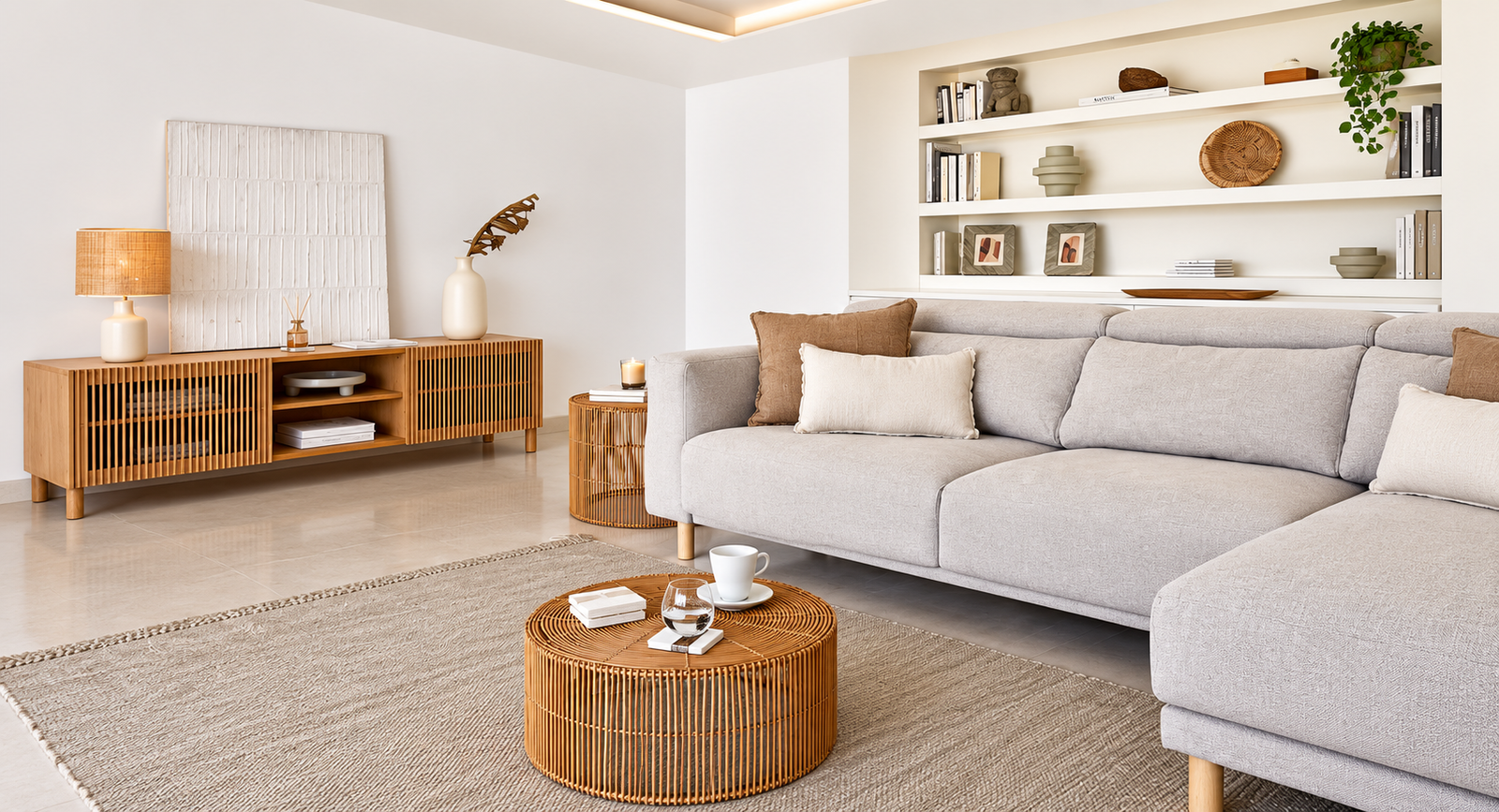
Among them, the beige rug remains one of the most popular choices for homes, apartments, offices, and rental properties. It blends into almost any design style, works with changing décor, and creates a warm, comfortable atmosphere without demanding attention.
Still, popularity doesn’t automatically make something the right choice. Is it practical for families? Does it hide dirt well? Is it worth the investment compared to gray, cream, or patterned alternatives?
This guide explores everything you need to know, including real-world benefits, potential downsides, safety considerations, and expert insights.
Quick Answer
A beige rug is a neutral-colored floor covering designed to add warmth, comfort, and visual balance to a space. It works well in modern, traditional, Scandinavian, farmhouse, and minimalist interiors. Its biggest strengths are versatility and timeless appeal, though lighter shades may require more cleaning in high-traffic areas.
What Is a Beige Rug?
A beige-colored floor covering is a textile piece designed to cover part of a floor while providing comfort, decoration, insulation, and noise reduction.
The term refers primarily to color rather than material. These products can be made from:
- Wool
- Cotton
- Polyester
- Polypropylene
- Jute
- Nylon
- Synthetic blends
They come in countless styles:
- Shag rugs
- Area rugs
- Runner rugs
- Persian-inspired designs
- Flatweave rugs
- Hand-knotted options
- Machine-made varieties
The neutral tone sits somewhere between cream, tan, ivory, and light brown, making it easy to coordinate with furniture, wall colors, and flooring.
Why Neutral Rugs Remain So Popular
Interior design trends come and go.
One year it’s bold emerald green. Another year it’s charcoal gray. Yet neutral tones consistently remain relevant.
The reason is simple: they act as a visual foundation.
Instead of competing with furniture, artwork, or decorative accents, they support the overall design.
Many homeowners discover that changing cushions, curtains, or wall décor becomes easier when the floor isn’t dominated by a strong color.
A designer once described neutral flooring as “the white shirt of interior design.” It may not be the loudest option, but it works almost everywhere.
How It Works in Interior Design
A rug influences a room in several ways.
Creates Visual Balance
Large furniture pieces can make a room feel heavy. A light neutral floor covering helps balance those visual weights.
Defines Spaces
Open-concept homes often lack clear room boundaries.
A rug can separate:
- Living areas
- Dining spaces
- Reading corners
- Home offices
Without building walls.
Adds Texture
Color isn’t the only design element.
Texture matters just as much.
A woven wool surface, plush shag texture, or natural jute finish introduces depth that plain flooring often lacks.
Softens Hard Surfaces
Hardwood, tile, and laminate floors can sometimes feel cold or echo sound.
Textile floor coverings help soften both the appearance and acoustics of a room.
Main Features
1. Versatile Color Palette
Neutral shades coordinate with:
- White furniture
- Black furniture
- Wood finishes
- Metallic accents
- Earth tones
- Pastel colors
This flexibility is one of the biggest reasons buyers choose them.
2. Wide Material Availability
Options range from budget-friendly synthetic fibers to premium handcrafted wool.
3. Multiple Texture Choices
Common textures include:
- Plush
- Low pile
- Flatweave
- Braided
- Hand-tufted
- Shag
4. Different Sizes
Popular sizes include:
- 5×7 feet
- 6×9 feet
- 8×10 feet
- 9×12 feet
- Hallway runners
5. Decorative Flexibility
They fit into:
- Modern interiors
- Traditional homes
- Scandinavian spaces
- Coastal designs
- Farmhouse aesthetics
- Contemporary apartments
Benefits
Timeless Appearance
Unlike trend-based colors, neutral tones rarely look outdated.
Many homeowners keep the same rug for years because it continues working with updated décor.
Makes Rooms Feel Larger
Lighter colors reflect more light than darker shades.
This often creates the perception of additional space, particularly in smaller rooms.
Easy to Match
One practical advantage is compatibility.
You don’t need to redesign an entire room around a neutral rug.
It generally works with existing furniture.
Creates Warmth
People sometimes assume neutral means boring.
In reality, warm beige tones can make a room feel welcoming and relaxed.
Supports Resale Appeal
When selling a home, overly bold design choices can divide opinions.
Neutral interior elements tend to appeal to a broader audience.
Reduces Visual Clutter
Busy rooms benefit from calmer design elements.
A simple floor covering can help create a cleaner overall appearance.
Potential Drawbacks
No product is perfect.
Stains May Be More Visible
Light-colored surfaces often reveal:
- Coffee spills
- Wine stains
- Mud
- Pet accidents
more easily than darker alternatives.
Frequent Cleaning
High-traffic households may need more regular maintenance.
Families with young children often notice this quickly.
Can Look Plain
Some people find solid neutral tones too subtle.
Without texture or pattern, the room may feel unfinished.
Quality Varies Significantly
Two rugs may look nearly identical online but perform very differently.
Material quality matters.
Real-World Use Cases
Family Living Rooms
Many homeowners choose a beige rug because it creates a comfortable environment without overwhelming the space.
Pairing it with darker furniture often creates an attractive contrast.
Apartments
Renters frequently prefer neutral décor because it works with changing furniture and future moves.
Home Offices
A soft floor covering can reduce noise while creating a more professional appearance during video meetings.
Bedrooms
The calming color palette often contributes to a more relaxed atmosphere.
Stepping onto a soft rug first thing in the morning is surprisingly satisfying.
Hospitality Spaces
Hotels and vacation rentals regularly use neutral flooring because it appeals to a wide range of guests.
Browse More Articles on: Sharemyideaz
Common Materials Explained
Wool
Pros:
- Durable
- Naturally stain-resistant
- Comfortable
- Long-lasting
Cons:
- Expensive
- May shed initially
Polypropylene
Pros:
- Affordable
- Easy cleaning
- Moisture-resistant
Cons:
- Less luxurious feel
Polyester
Pros:
- Soft texture
- Vibrant color retention
Cons:
- Can flatten over time
Jute
Pros:
- Natural appearance
- Eco-friendly appeal
Cons:
- Rough texture
- Sensitive to moisture
Cotton
Pros:
- Lightweight
- Easy maintenance
Cons:
- Shorter lifespan than wool
Safety Considerations
Many buyers focus only on appearance and forget practical safety.
Slip Hazards
Loose rugs can move unexpectedly.
Using a rug pad underneath is strongly recommended.
Benefits include:
- Better grip
- Reduced slipping
- Additional cushioning
- Extended rug life
Indoor Air Quality
New synthetic products sometimes release mild odors.
Most fade within a few days.
Allowing proper ventilation helps.
Allergies
Dust accumulation may affect allergy-sensitive individuals.
Regular vacuuming minimizes this issue.
Fire Safety
Look for products meeting recognized safety standards, especially in commercial environments.
Is It Legitimately Useful?
Yes.
Unlike some home décor trends that focus mostly on appearance, rugs provide genuine practical value.
They can:
- Improve comfort
- Reduce floor noise
- Protect flooring
- Define spaces
- Improve room aesthetics
- Add insulation
These benefits are noticeable in everyday life.
A homeowner may initially purchase one for decorative reasons and later realize the comfort improvement is equally valuable.
Common Problems Owners Experience
Furniture Marks
Heavy furniture can leave dents.
Rotating the rug occasionally helps.
Color Differences
Online photos sometimes differ from real-life appearance.
Lighting conditions play a major role.
Shedding
Natural fiber products may shed during the early months.
Edge Curling
Lower-quality products occasionally develop curled edges over time.
Cleaning Challenges
Deep stains may require professional cleaning.
This is especially true for wool varieties.
Comparison With Alternatives
Beige vs Gray
| Feature | Beige | Gray |
| Warmth | Higher | Lower |
| Modern Look | Good | Excellent |
| Traditional Homes | Excellent | Good |
| Brightness | Higher | Medium |
| Cozy Feel | Excellent | Moderate |
Beige vs Cream
| Feature | Beige | Cream |
| Hides Dirt | Better | Worse |
| Warmth | Higher | Medium |
| Maintenance | Easier | More Difficult |
Beige vs Dark Brown
| Feature | Beige | Dark Brown |
| Room Brightness | Higher | Lower |
| Modern Appeal | Higher | Moderate |
| Stain Visibility | Higher | Lower |
Choosing the Right One
Consider Traffic Levels
Busy households benefit from:
- Patterns
- Textured surfaces
- Slightly darker neutral tones
Match Flooring
Wood flooring often pairs naturally with warm beige shades.
Think About Pets
Pet owners may want:
- Stain-resistant materials
- Low-pile designs
- Easy-clean synthetic fibers
Measure Carefully
One of the most common mistakes is choosing a size that’s too small.
A properly sized rug should connect furniture rather than floating alone in the center of a room.
Maintenance Tips
Vacuum Regularly
Weekly vacuuming helps preserve appearance.
Rotate Every Few Months
Rotation distributes wear more evenly.
Address Spills Quickly
The sooner stains are treated, the easier they are to remove.
Use Rug Pads
Pads improve stability and longevity.
Professional Cleaning
Periodic deep cleaning helps maintain quality, especially for premium wool products.
Expert-Style Practical Opinion
After reviewing countless interior design trends over the years, neutral rugs continue to stand out for one reason: adaptability.
Many trendy home products look impressive in photos but become frustrating in daily life.
This isn’t usually the case here.
A quality beige rug often survives multiple furniture changes, paint updates, and design refreshes.
That versatility creates long-term value.
The main caution involves maintenance. Homes with young children, multiple pets, or extremely heavy foot traffic should choose stain-resistant materials and textured designs rather than very light solid colors.
For most households, though, it’s one of the safest decorating investments available.
Final Verdict
A beige rug remains one of the most versatile and practical flooring accessories available today.
Its strengths include timeless design, broad compatibility, room-brightening effects, and flexibility across countless decorating styles.
While lighter shades may require additional cleaning and some buyers may prefer bolder colors, the overall benefits outweigh the drawbacks for most homes.
If you’re looking for a flooring option that can adapt to changing décor while maintaining a warm and welcoming appearance, this neutral choice continues to be a smart and reliable investment.
Explore Our Latest Blog Posts: Sharemyideaz
FAQs
Q: Does a beige rug make a room look bigger?
A: Yes. Lighter colors reflect more light and can create the visual impression of a larger, more open space.
Q: Is beige better than gray for home décor?
A: It depends on your style. Beige generally feels warmer and cozier, while gray often creates a more modern appearance.
Q: Do light-colored rugs get dirty easily?
A: They can show stains and spills more visibly than darker options, especially in high-traffic areas.
Q: What material is best for families?
A: Polypropylene and stain-resistant synthetic blends are popular because they’re durable and easy to clean.
Q: Are wool rugs worth the extra cost?
A: Many homeowners believe so because wool offers excellent durability, comfort, and long-term performance.
Q: Can I use one in a dining room?
A: Yes. Just choose a size that extends beyond the dining chairs and select a material that’s easy to clean.
Q: Do rugs help reduce noise?
A: Yes. Textile floor coverings absorb sound and can reduce echoes, especially on hardwood or tile floors.
Q: Is a neutral rug still in style?
A: Yes. Neutral tones remain among the most consistently popular interior design choices because they work with nearly every decorating style.
Q: How often should I clean it?
A: Vacuuming once or twice per week is usually sufficient, with deeper cleaning performed as needed.
Q: What size should I buy for a living room?
A: The ideal size depends on room dimensions, but larger rugs that connect major furniture pieces generally create a more balanced appearance.
