

You know that moment when you’re lying awake, it’s the night before Valentine’s Day, and instead of thinking about flowers or dinner reservations, you’re wondering why your chest feels tight after a stressful week? Yeah. That happened to me once. Turned out to be nothing serious, just stress and too much coffee, but it made me realize something we talk about love a lot this time of year and almost never talk about health.
Which is weird, right? Because the two are so tangled together it’s almost funny nobody connects the dots.
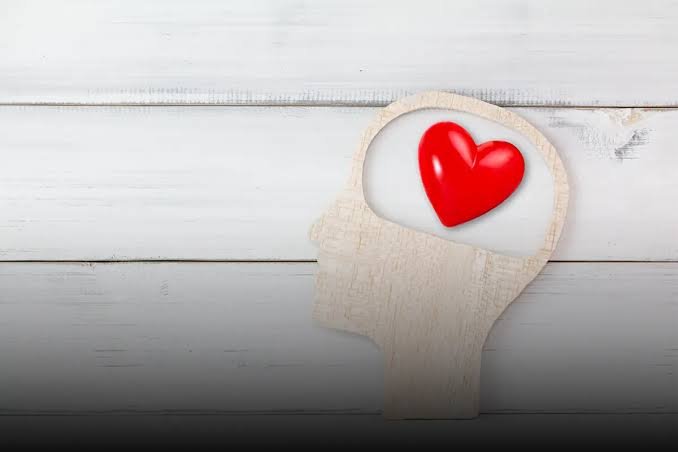
That’s really the whole idea behind valentines health. It’s not a medical term you’ll find in a textbook. It’s more like a lens a way of looking at how this one specific holiday quietly affects our bodies, our sleep, our stress levels, and yeah, even our hearts, both the metaphorical and the actual pumping-blood kind.
Why This Time of Year Hits Different
February is a weird month. The excitement of New Year’s resolutions has usually worn off by now. It’s still cold in most places. The days are short. And right in the middle of all that, society decides to throw a holiday at us that’s entirely about romance and connection which, if you’re not feeling particularly romantic or connected, can feel like a lot.
I’ve noticed this myself. Some years I’ve been genuinely excited for Valentine’s Day. Other years I’ve kind of dreaded it, not because I was against love or whatever, just because the pressure of “doing it right” felt exhausting. And that pressure isn’t just emotional fluff — it actually shows up in your body. Elevated stress hormones, disrupted sleep, sometimes even changes in appetite.
The Heart Connection Isn’t Just Poetic
Here’s something a lot of people don’t realize — February also happens to be Heart Health Awareness Month in several countries. So there’s this odd but kind of perfect overlap where the month of hearts-on-cards is also the month doctors are trying to get people to actually think about their hearts, biologically speaking.
Cardiovascular disease remains one of the top causes of death worldwide, and a huge chunk of the risk factors are lifestyle related — poor diet, lack of movement, chronic stress, bad sleep. None of these show symptoms until they’ve already done damage, which is honestly the scariest part.
So when people search for valentines health tips, what they’re really tapping into, whether they realize it or not, is this crossover between emotional wellness and physical heart care.
Stress, Loneliness, and What They Do to Your Body
Let’s get into something people rarely admit out loud — loneliness, especially around Valentine’s Day, isn’t just a sad feeling. It has actual physiological effects. Studies have linked chronic loneliness to higher blood pressure, weaker immune response, and even increased inflammation markers in the body.
And on the flip side, relationship conflict — which, let’s be honest, tends to spike around high-expectation holidays — releases cortisol, the stress hormone that in small doses is fine but in constant doses wears your body down.
I remember a friend telling me she’d rather be single on Valentine’s Day than deal with the anxiety of “making it perfect” with her partner. That stuck with me. Because it says something about how much pressure we’ve built around one single day.
Broken Heart Syndrome Is a Real Thing
This one blows people’s minds every time I mention it. There’s an actual medical condition called takotsubo cardiomyopathy, nicknamed broken heart syndrome, where intense emotional distress — grief, heartbreak, extreme stress — literally weakens part of the heart muscle temporarily. It can mimic a heart attack. It’s rare, sure, but it’s proof that emotional pain isn’t just “in your head.”
Practical Things That Actually Help (Not the Generic Advice)
Okay, enough doom and gloom. Let’s get into stuff you can actually do, because nobody wants a wellness article that just lists problems without solutions.
Don’t Skip Meals to “Save Room”
This is such a common one. People skip breakfast or lunch on Valentine’s Day thinking they’re saving calories for a big dinner. Bad idea. It messes with blood sugar, makes you overeat later, and honestly just puts your body in a weird stressed-out state before the day even gets going. Eat normally throughout the day. Enjoy the dinner without guilt.
Move, Even If It’s Just a Walk
You don’t need an intense workout. A walk after dinner does more for digestion and mood than people give it credit for. There’s also something nice about walking with someone — talking without the pressure of a fancy restaurant setting, just existing together for twenty minutes.
Sleep Is Underrated, Massively
Whether you’re up late overthinking a text message or planning some elaborate surprise, poor sleep the night before or the night of Valentine’s Day throws off everything — your mood, your patience, your ability to actually enjoy the day. It’s such a simple fix that people constantly ignore.
Explore More Insights: Sharemyideaz
The Emotional Layer That Rarely Gets Discussed
Here’s the part I think about more than most people probably want to admit — Valentine’s Day can be genuinely hard for people. Not everyone’s in a relationship. Not everyone wants to be. Some people are grieving a loss, going through a breakup, or just feeling isolated while the rest of the world seems to be celebrating.
And that emotional weight matters just as much as anything physical when we’re talking about valentines health. Mental health clinics have actually reported small upticks in anxiety-related visits during the week leading up to February 14th. Some of it’s seasonal — less sunlight, that lingering winter heaviness — but some of it’s directly tied to the pressure of the holiday itself.
Self-Care That Isn’t Just a Trendy Phrase
I know “self-care” gets thrown around so much it’s almost lost meaning. But there’s something to be said for actually doing something kind for yourself on a day that can otherwise feel very couple-centric. Cooking a meal you love. Watching a show without guilt. Journaling instead of scrolling through old conversations (guilty of that one too, more than once).
None of this needs to be Instagram-worthy. The best version of self-care is usually the boring, unphotographed kind.
Relationships and Health — More Connected Than People Think
If you are with someone, the health of that relationship genuinely ties into your physical wellbeing over time. Chronic tension, unresolved arguments, feeling unheard — these things add up. Not dramatically, not overnight, but slowly, the way stress usually works.
On the other hand, relationships where people actually check in on each other — “did you eat?”, “you seem tired, are you okay?” — tend to correlate with steadier stress hormone levels and honestly just a calmer nervous system overall. It’s not romantic in the traditional sense, but it’s real support.
Small Moments Over Big Gestures
Grand romantic gestures get all the attention, but it’s the small daily stuff that actually protects long-term health. A partner reminding you to drink water. Someone noticing you’re stressed before you even say anything. That’s the unsexy, unfilmable version of care that quietly does a lot of heavy lifting.
Food, Wine, and the Morning After
Valentine’s dinners tend to go heavy — rich sauces, wine, dessert stacked on dessert. There’s nothing wrong with indulging, genuinely, don’t feel bad about enjoying a nice meal. But balance matters. Staying hydrated, not going overboard on alcohol, and easing into the next day with something lighter can make a real difference in how you feel physically.
I’ve had Valentine’s dinners that left me feeling amazing and others that left me feeling like I needed a nap for eighteen hours. The difference usually came down to pacing, not the food itself.
Wrapping This Up (Sort Of)
Valentine’s Day doesn’t need to be this massive event where your entire wellbeing hinges on flowers, a fancy dinner, or someone else’s effort. Real valentines health, at its core, is about paying attention — to your sleep, your stress, your relationships, and your own emotional state, regardless of what the calendar says.
Some years it’ll feel light and fun. Other years it might just feel like an ordinary day, and honestly, that’s fine too. What actually matters is the everyday stuff underneath all the noise — resting enough, being honest with yourself, not letting stress quietly build in the background while chasing some idealized version of romance.
And if you’re spending this one alone, that’s not something to fix. Sometimes the most balanced Valentine’s Day is the one spent taking care of yourself, no performance required.
Explore More Insights: Sharemyideaz
FAQs
Q: Does Valentine’s Day actually affect mental health, or is that an exaggeration? A: It’s not an exaggeration. Clinics report a slight increase in anxiety-related visits around this time, partly due to social pressure and partly due to seasonal factors like shorter days and lingering winter fatigue.
Q: Is “broken heart syndrome” a real medical condition? A: Yes, it’s called takotsubo cardiomyopathy. Intense emotional stress can temporarily weaken the heart muscle and mimic heart attack symptoms. It’s rare but very real.
Q: What’s a simple way to support my health on Valentine’s Day without overthinking it? A: Prioritize sleep and don’t skip meals. Both sound basic, but they have a bigger impact on your mood and energy than most people expect.
Q: Can loneliness on Valentine’s Day actually impact physical health? A: It can. Chronic loneliness has been linked to higher blood pressure and weakened immune response, so it’s not just an emotional experience, it has physical effects too.
Q: Is it unhealthy to indulge in chocolate or a heavy dinner on this day? A: Not at all, in moderation. The issue comes from overdoing it in one sitting or skipping meals earlier to “make room.” Balanced eating throughout the day makes indulging later feel much better.
