

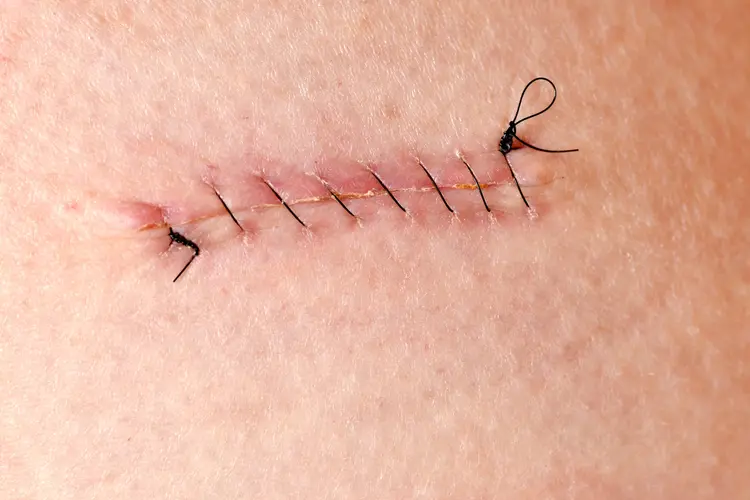
Cuts, surgeries, and medical procedures often leave people with one immediate question: Will I need to come back to have the stitches removed? In many cases, the answer is no.
Modern medicine frequently uses absorbable sutures that gradually break down inside the body as healing occurs. They save time, reduce follow-up appointments, and can make recovery a little less stressful. Still, many patients feel uneasy when they notice threads sticking out weeks after surgery or wonder whether the material is actually disappearing.
Understanding how these stitches work can help ease those concerns and make it easier to recognize what’s normal and what deserves medical attention.
Quick Answer
Dissolvable stitches are absorbable sutures designed to break down naturally inside the body over time. They are commonly used after surgery, dental procedures, childbirth repairs, and deep wound closures. Depending on the material used and the location of the wound, they may dissolve within a few days, several weeks, or even a few months.
What Are Dissolvable Stitches?
These are special surgical sutures made from materials that the body can safely absorb or break down during the healing process.
Unlike traditional non-absorbable stitches, which must be removed by a healthcare professional, absorbable sutures gradually lose strength and eventually disappear as tissue repairs itself.
Doctors often place them beneath the skin or in areas where stitch removal would be difficult, uncomfortable, or unnecessary.
Common procedures that may involve absorbable sutures include:
- General surgery
- Cesarean sections
- Wisdom tooth extraction
- Oral surgery
- Orthopedic procedures
- Internal organ repairs
- Gynecological surgeries
- Deep laceration repair
Many people are surprised to learn that some stitches begin dissolving almost immediately after placement, even though they continue providing support during the healing phase.
How Do They Work?
The body’s natural healing process and the stitch material work together.
After placement, the suture holds tissues together while new collagen forms and damaged tissue repairs itself. Once the wound becomes strong enough to stay closed on its own, the stitch gradually loses tensile strength.
Depending on the material, breakdown occurs through:
Hydrolysis
Many synthetic absorbable sutures dissolve through hydrolysis. Water in body tissues slowly breaks down the material into harmless compounds.
This method tends to be predictable and causes less inflammation.
Enzymatic Breakdown
Some natural sutures are broken down by enzymes and immune cells.
This process can vary from person to person because individual immune responses differ.
Eventually, the remaining material is absorbed, metabolized, or expelled by the body.
Types of Absorbable Sutures
Not all absorbable stitches are the same.
Natural Materials
Historically, surgeons used materials such as:
- Catgut
- Chromic gut
These materials are derived from animal tissues and dissolve through enzymatic activity.
Synthetic Materials
Modern healthcare increasingly relies on synthetic options because they provide more predictable healing.
Examples include:
- Polyglactin 910 (Vicryl)
- Poliglecaprone 25 (Monocryl)
- Polydioxanone (PDS)
- Polyglycolic acid sutures
These materials are engineered to maintain strength for specific periods before being absorbed.
How Long Do They Take to Dissolve?
One of the most common questions patients ask is how long absorbable sutures remain visible.
The answer varies significantly.
| Type | Approximate Absorption Time |
| Fast-absorbing sutures | 7–14 days |
| Standard absorbable sutures | 2–8 weeks |
| Long-lasting absorbable sutures | 3–6 months |
| Deep surgical sutures | Up to several months |
Several factors affect timing:
- Type of suture material
- Location of wound
- Patient age
- Overall health
- Blood supply to the area
- Infection status
- Smoking habits
- Nutritional status
A surgeon may intentionally choose a slower-dissolving material when healing is expected to take longer.
Why Doctors Use Them
Healthcare providers select absorbable sutures for practical reasons.
Reduced Follow-Up Visits
Patients often do not need a separate appointment for stitch removal.
Better Comfort
Removing stitches can cause anxiety and discomfort, especially in children.
Internal Tissue Repair
Many surgical sites are inaccessible after closure. Absorbable sutures allow tissues to heal without future intervention.
Lower Risk of Certain Complications
In some situations, avoiding stitch removal reduces trauma to healing tissue.
Main Features
Several characteristics make these sutures valuable in modern medicine.
Self-Absorbing Design
The body gradually breaks down the material.
Multiple Strength Options
Different products offer varying support durations.
Internal and External Use
They can be used beneath the skin or on visible wounds.
Sterile Manufacturing
Medical-grade production helps minimize infection risk.
Predictable Performance
Modern synthetic materials are engineered for consistent breakdown.
Benefits
Most patients appreciate the convenience of absorbable sutures.
Advantages Include
- No removal appointment required
- Reduced discomfort
- Useful for deep tissue closure
- Effective wound support
- Convenient for children
- Commonly used in cosmetic surgery
- Suitable for oral procedures
- Less handling of healing tissue
A friend who underwent wisdom tooth extraction once worried because the stitches seemed unchanged after nearly two weeks. The dentist explained that healing looked excellent and the material simply dissolved more slowly than expected. Situations like this are very common and often cause unnecessary anxiety.
Drawbacks and Potential Disadvantages
While absorbable sutures offer many benefits, they are not perfect.
Less Suitable for Certain Wounds
Some wounds require long-term support that non-absorbable sutures provide better.
Variable Dissolution Rates
Healing does not occur at the same speed for everyone.
Stitch Spitting
Occasionally, the body pushes small pieces of suture toward the skin surface.
Possible Local Irritation
Some patients experience mild redness or inflammation around the area.
Reduced Long-Term Strength
As the material dissolves, support decreases.
Real-World Use Cases
Childbirth Repairs
Many vaginal tears and episiotomies are repaired with absorbable sutures.
Dental Procedures
Dentists frequently use them after tooth extractions and gum surgeries.
Cosmetic Surgery
Plastic surgeons often place absorbable stitches beneath the skin to improve cosmetic outcomes.
Emergency Medicine
Deep cuts sometimes require layered closure using absorbable sutures internally.
Orthopedic Surgery
Tendon and tissue repairs may involve long-lasting absorbable materials.
Read More Expert Articles on: Sharemyideaz
What Does Healing Normally Look Like?
Many patients worry that something is wrong when healing doesn’t match expectations.
Normal signs often include:
- Mild swelling
- Slight redness initially
- Itching during healing
- Tightness around the wound
- Small visible thread ends
- Gradual reduction in discomfort
The wound should generally improve over time rather than worsen.
When Should You Be Concerned?
Although complications are uncommon, certain symptoms deserve medical evaluation.
Contact a healthcare provider if you notice:
- Increasing pain
- Significant redness spreading outward
- Pus or foul-smelling drainage
- Fever
- Wound reopening
- Excessive swelling
- Persistent bleeding
- Severe tenderness
These symptoms may indicate infection or impaired healing.
Safety Analysis
For most patients, absorbable sutures have an excellent safety record.
Healthcare systems worldwide use them routinely in millions of procedures every year.
Safety depends largely on:
- Proper surgical technique
- Appropriate wound care
- Correct suture selection
- Patient health factors
- Infection prevention
The materials undergo extensive testing before clinical use.
Are They Safe During Pregnancy?
Yes. Obstetricians commonly use absorbable sutures during cesarean sections and postpartum repairs.
Are They Safe in the Mouth?
Yes. Dental surgeons frequently rely on absorbable sutures because removing stitches from oral tissues can be uncomfortable.
Are There Any Allergy Risks?
True allergic reactions are relatively rare.
Some people may experience:
- Local irritation
- Inflammatory responses
- Delayed healing
- Increased sensitivity
Most reactions are mild and temporary.
Patients with known material sensitivities should discuss concerns with their surgeon before a procedure.
Common Problems People Experience
Stitch Ends Hanging Out
This is probably the most frequent concern.
A visible thread does not necessarily mean something is wrong. Sometimes the external portion remains visible while deeper sections are dissolving.
Stitches Not Dissolving Quickly
Patients often expect complete disappearance within days.
In reality, some materials remain present for weeks or months.
Mild Itching
Healing skin commonly becomes itchy as new tissue forms.
Small Bumps Under the Skin
Occasionally, the body forms a temporary reaction around remaining suture material.
These bumps often resolve naturally.
Caring for Healing Stitches
Following postoperative instructions is essential.
General recommendations may include:
- Keep the area clean
- Follow bathing instructions carefully
- Avoid excessive stretching
- Protect the wound from trauma
- Monitor for infection signs
- Attend scheduled follow-up visits
Do not pull visible threads unless specifically instructed by a healthcare professional.
Many complications happen when patients attempt to remove or trim stitches themselves.
Dissolvable vs Traditional Stitches
| Feature | Absorbable Sutures | Non-Absorbable Sutures |
| Removal Needed | Usually No | Yes |
| Internal Use | Common | Less common |
| Follow-Up Visits | Fewer | More |
| Long-Term Strength | Limited | Stronger |
| Convenience | High | Moderate |
| Cosmetic Applications | Common | Common |
Neither option is universally better.
The best choice depends on the wound, surgical procedure, and expected healing time.
Are They Better Than Surgical Staples?
Surgical staples are another wound closure method commonly used in hospitals.
Advantages Over Staples
- Greater comfort
- Better flexibility
- Often preferred for cosmetic outcomes
- Useful for irregular wounds
Advantages of Staples
- Faster placement
- Strong wound support
- Useful for large surgical incisions
Doctors choose the method based on clinical needs rather than convenience alone.
What Patients Often Get Wrong
A surprising number of people believe absorbable sutures simply vanish overnight.
That is not how the process works.
Another misconception is that visible threads automatically indicate a problem.
In reality, healing timelines vary significantly.
Some patients also assume complete wound healing occurs once the stitches begin dissolving. Tissue remodeling often continues for months after the skin appears closed.
Expert-Style Practical Opinion
For most routine procedures, absorbable sutures are an extremely useful advancement in wound care.
They reduce the burden of follow-up appointments and make recovery easier for many patients. Their greatest strength is convenience combined with reliable tissue support during critical healing stages.
That said, patients should not expect them to disappear according to an exact schedule. Healing is influenced by biology, not a stopwatch.
In practical terms, people usually benefit more from monitoring how the wound looks and feels rather than focusing on whether every thread has vanished.
Are Dissolvable Stitches Legitimate and Effective?
Yes.
They are widely accepted throughout modern medicine and supported by decades of clinical use.
Surgeons, dentists, obstetricians, emergency physicians, and specialists regularly use absorbable sutures because they provide dependable wound support while eliminating the need for removal in many situations.
Their effectiveness has been demonstrated across countless surgical and wound-care applications.
Final Verdict
Dissolvable stitches are a safe, proven, and highly practical option for many types of wound closure. They support healing while gradually breaking down inside the body, reducing the need for stitch removal and improving convenience for patients.
They are not perfect. Some people experience irritation, delayed absorption, or minor concerns such as visible thread ends. Still, for surgeries, dental procedures, childbirth repairs, and many deep wounds, they remain one of the most effective closure methods available.
The key is understanding that healing timelines vary. If a wound is improving and shows no signs of infection, slow dissolution is often completely normal.
Discover More Helpful Resources on: Sharemyideaz
FAQs
Q: How long do dissolvable stitches take to disappear completely?
A: Depending on the material used, they may dissolve within a few days, several weeks, or even several months. Deep surgical sutures often remain longer than surface-level stitches.
Q: Can I pull out a loose stitch myself?
A: No. Pulling on a stitch can disrupt healing and potentially reopen the wound. Contact a healthcare professional if a stitch is causing discomfort.
Q: Why can I still see stitches after several weeks?
A: Some absorbable sutures dissolve slowly. Visible thread ends do not necessarily indicate a problem, especially if the wound is healing normally.
Q: Do dissolvable stitches hurt while dissolving?
A: Most people do not feel the dissolution process itself. Mild itching or slight irritation can occur as healing progresses.
Q: Can they get infected?
A: The stitches themselves do not usually cause infection, but any wound can become infected. Watch for redness, pus, fever, increasing pain, or swelling.
Q: Are they used after wisdom tooth removal?
A: Yes. Oral surgeons frequently use absorbable sutures following wisdom tooth extractions and other dental procedures.
Q: What happens if they do not dissolve?
A: Occasionally, small portions may remain longer than expected or work their way to the skin surface. A healthcare provider can evaluate whether intervention is needed.
Q: Are absorbable sutures safe for children?
A: Yes. They are commonly used in pediatric care because they eliminate the need for stitch removal, which can be stressful for young patients.
Q: Can showering make them dissolve too quickly?
A: Normal bathing typically does not affect the absorption process. Always follow your surgeon’s wound-care instructions.
Q: Are they better than regular stitches?
A: Neither option is always superior. Absorbable sutures are convenient and effective for many situations, while non-absorbable stitches may provide longer-lasting support when needed.
