

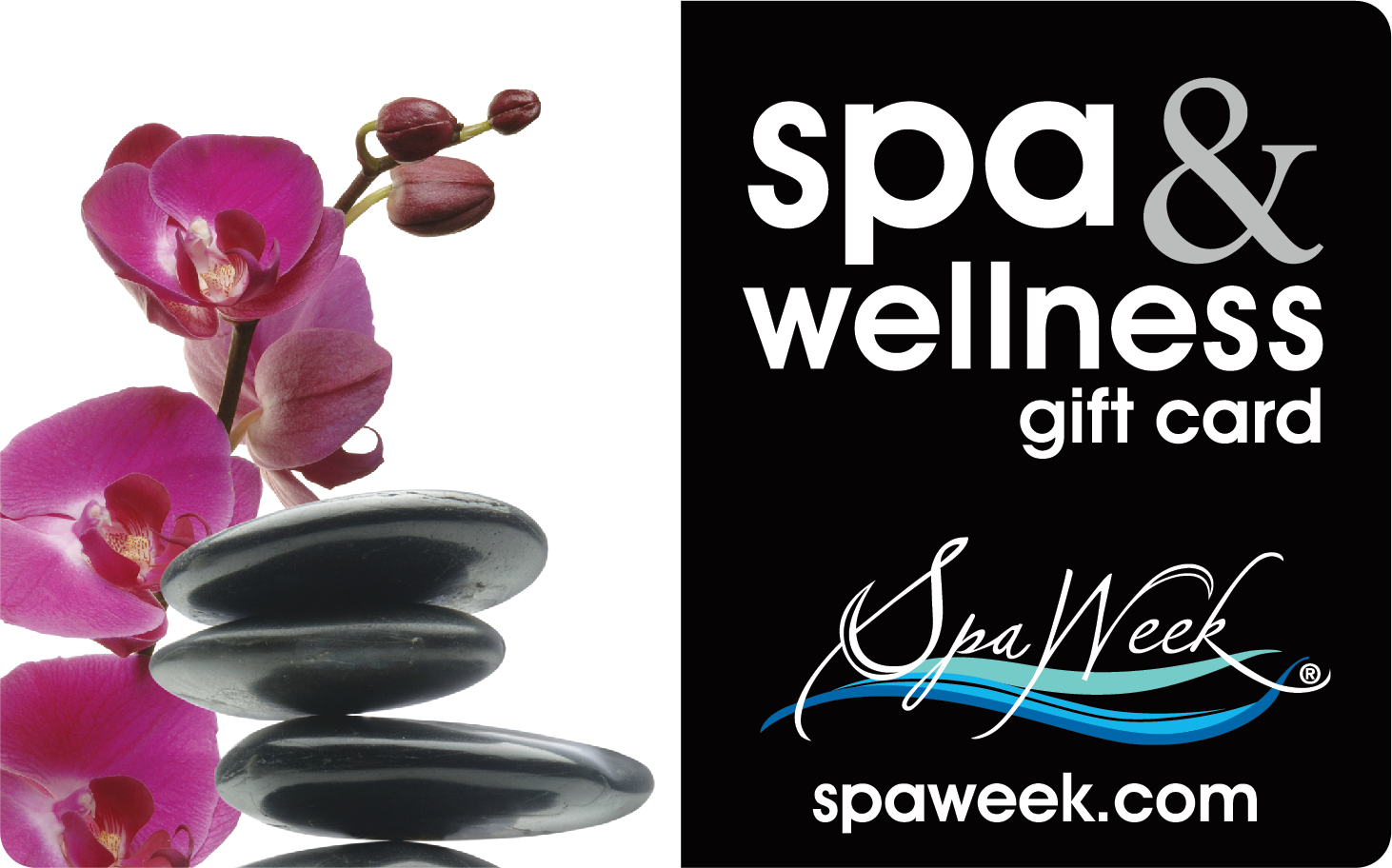
My cousin got one for her birthday last year and just stared at it for a solid ten seconds before asking, “Wait, do I pick the spa, or is it already decided?” That confusion is more common than you’d think. Gift cards for relaxation sound simple on paper, but the moment you actually hold one in your hand, a dozen questions show up — where can I use this, does it expire, is this a scam-adjacent gimmick some kiosk is running, or is it genuinely one of the better gifts you can hand someone who’s burnt out?
Let’s get into it properly, without the fluff.
Quick Answer (For Anyone in a Hurry)
A spa and wellness gift card is a prepaid voucher — physical or digital — that lets the recipient redeem massages, facials, saunas, yoga sessions, or similar wellness services at a specific spa, wellness chain, or through a third-party platform that partners with multiple locations. It works like any other gift card: load it with a value, hand it over, and the person redeems it against services instead of cash. It’s generally legitimate when purchased directly from a known spa or a reputable retailer, and it tends to work best for people who are hard to shop for, going through a stressful period, or simply deserve a break they wouldn’t book for themselves.
That’s the short version. Now here’s everything underneath it.
What Exactly Is a Spa and Wellness Gift Card?
At its core, it’s a stored-value voucher. You pay a fixed amount — say $75 or $200 — and that value sits on a card or digital code until someone redeems it for a service. Some are tied to one specific spa location. Others come from bigger networks (think Spafinder-style platforms) that work across thousands of partner spas, hotels, and wellness studios.
There’s a meaningful difference between the two, and it matters more than people realize when they’re actually buying one.
A single-location card only works at that business. If your friend lives two states away and you buy her a card from the spa near your house, congratulations, you’ve bought her a coaster. A network-based or platform gift card, on the other hand, can usually be redeemed at multiple participating locations, sometimes nationally, sometimes even for wellness-adjacent purchases like fitness classes or skincare products.
So the phrase “spa and wellness gift card” doesn’t point to one single product — it’s a category, and the fine print between options in that category can vary a lot.
How It Actually Works, Step by Step
Here’s the realistic mechanics of it, not the marketing version.
- You choose a spa, resort, or wellness gift card platform.
- You select a dollar value (most range from $25 to $500+).
- You either receive a physical card, a digital code sent by email, or a printable PDF voucher.
- The recipient calls, books online, or walks in, and mentions or applies the code at checkout.
- The value gets deducted from services rendered — a massage, a facial, an add-on like a hot stone treatment, sometimes even retail items sold in the spa.
- If there’s a remaining balance, most cards allow it to stay active for future visits, though this depends entirely on the issuer’s policy.
One thing that trips people up: booking availability is separate from the gift card itself. Owning the card doesn’t guarantee a same-week appointment, especially around holidays, so if you’re gifting this for a specific occasion, it’s worth mentioning that the person should book ahead.
Main Features Worth Knowing About
- Flexible denominations — most spas let you pick a custom amount rather than fixed tiers.
- Physical or e-gift format — useful when you’re gifting last-minute; digital versions can usually be emailed within minutes.
- Service-specific or open-value — some cards are locked to one service (like “one 60-minute massage”), while others are just a dollar balance the recipient can spend however they like.
- Expiration policies — this varies wildly by region and business. In parts of the U.S., consumer protection laws prevent gift cards from expiring within five years; other cards, especially from small independent spas, might have shorter windows or none at all.
- Multi-location redemption (for network cards) — genuinely useful if you’re unsure exactly where the recipient will want to go.
- Add-on flexibility — many spas let cardholders apply the balance toward retail products, packages, or day-passes, not just single treatments.
The Real Pros and Cons
Pros
- It solves the “I have no idea what to get them” problem better than most gifts, because relaxation is rarely something people prioritize buying for themselves.
- It works for almost any occasion — birthdays, anniversaries, new moms, retirement, post-surgery recovery, or just “you’ve had a rough few months” gestures.
- Higher-end wellness gift cards (think hotel spa packages) can feel genuinely luxurious without requiring you to guess sizes, scents, or preferences the way physical gifts do.
- Digital versions mean you can buy one at 11 p.m. the night before an event and still look thoughtful.
Cons
- If it’s tied to a single spa the person doesn’t live near, it becomes dead weight.
- Some smaller spas struggle with availability, so redeeming the card can mean waiting weeks for an appointment.
- Certain cards exclude popular services (like specialty facials or acupuncture) or cap redemption toward retail-only purchases, which isn’t always obvious at checkout.
- If the business closes down before the card is used — and small spas do close — the balance is usually just gone, unless purchased through a third-party platform with broader protections.
Real-World Scenarios Where This Actually Makes Sense
A friend of mine bought her mom a wellness gift card after her mom’s hip surgery, specifically for lymphatic drainage and gentle massage sessions once she was cleared by her doctor. It worked well because the spa specialized in post-rehab treatments, and the card gave her mom the freedom to book whenever she actually felt up to it, rather than committing to a fixed date.
Corporate gifting is another common case. Companies increasingly give wellness gift cards to employees around high-stress periods — tax season for accounting firms, end-of-year crunch for agencies — because it reads as genuine care rather than another branded mug nobody asked for.
Then there’s the “treat yourself” angle. Some people buy these for themselves specifically because prepaying removes the guilt factor. If the money’s already spent and sitting on a card, booking the massage feels less like an indulgence and more like using something you already own.
Safety, Privacy, and Legitimacy — Is It Actually Trustworthy?
This is where people get understandably cautious, especially with third-party gift card resellers or too-good-to-be-true discount sites.
Buying directly from a spa’s official website or front desk is the safest route. It’s a direct transaction, no middleman, no risk of a code that’s already been used or a card that isn’t honored.
Buying through a well-known wellness gift card platform (multi-brand networks) is also generally safe, but it’s worth checking the platform’s return policy, how they handle spa closures, and whether they’ve been around long enough to have a real reputation.
Where it gets risky: heavily discounted gift cards sold on resale marketplaces or random third-party sites. These can be legitimate secondhand deals, but they can also be fraudulent — cards resold after being partially used, or codes generated from stolen payment information. If a deal looks unusually cheap, that’s a signal to slow down, not speed up.
As for privacy, standard gift card purchases don’t typically require sensitive personal data beyond payment info and an email for digital delivery, similar to any online purchase. The bigger privacy consideration is really just: don’t buy from sketchy unofficial resale accounts on social media, no matter how convincing the screenshot of “past happy customers” looks.
Common Problems People Run Into
- Forgetting the card exists. This sounds silly, but it’s the single most common complaint — cards sitting in a drawer for a year, occasionally past their expiration window.
- Booking friction. Popular spas can be booked out weeks in advance, especially around holidays, so last-minute redemption plans often fall apart.
- Unclear balance tracking. Some spas don’t have a clean way to check remaining balance online, so recipients end up calling to confirm before booking.
- Restricted services. A card marketed as “spa and wellness” might actually exclude the exact service someone wanted, like cryotherapy or IV therapy, if the business doesn’t offer it in-house.
How It Compares to Other Gift Options
Compared to a generic retail gift card, a spa and wellness card tends to carry more emotional weight — it says “take care of yourself” rather than “buy something.” Compared to booking the appointment yourself as the gift-giver, the card format gives the recipient control over timing and treatment choice, which matters more than people expect; forcing someone into a specific appointment time can backfire if their schedule doesn’t cooperate.
Compared to wellness subscription boxes or at-home spa kits, an actual gift card gets you professional-grade service rather than a DIY approximation, though obviously at a higher price point per use.
A Practical, Slightly Opinionated Take
If I’m being honest, the value of this gift depends almost entirely on how well you know the recipient’s actual habits, not just their stress levels. Someone who already visits spas regularly will use a card without hesitation. Someone who’s never been to one, or who feels guilty spending money on “just relaxation,” might let it sit unused for months out of sheer unfamiliarity or hesitation around booking.
So the underrated move here is pairing the card with a nudge — literally helping them book the first appointment, or picking a network card so location isn’t a barrier. That single extra step is often what separates a gift card that gets used within a month from one that quietly expires.
Final Verdict
A spa and wellness gift card is a legitimate, genuinely useful gift when bought from a reputable source and matched sensibly to the recipient’s location and habits. It’s not a universally perfect gift — it can flop if it’s too restrictive, too far away, or handed to someone who won’t book it themselves — but for the right person, it’s one of the few gifts that actually gives them permission to slow down, which is something most people are bad at giving themselves.
Follow Us For More Informational Blogs About: Sharemyideaz
Frequently Asked Questions
Q: Do spa and wellness gift cards expire?
A: It depends on the issuer. Many U.S.-based cards are protected by consumer laws requiring a minimum validity period of several years, but smaller or independent spas may set shorter, clearly stated expiration windows. Always check the terms before purchasing.
Q: Can I use a spa gift card at any location?
A: Only if it’s a multi-location or network card. Single-location spa cards work exclusively at that specific business, so confirm the recipient’s location before buying.
Q: What happens if there’s a balance left after a treatment?
A: Most spas retain the remaining balance for future visits, similar to a store credit. Ask the specific spa how they track and apply leftover balances.
Q: Are third-party spa gift card websites safe to buy from?
A: Established, well-reviewed platforms are generally safe. Heavily discounted cards from unfamiliar resale sites carry more risk of fraud or previously used codes, so it’s safer to buy directly from the spa or a recognized retailer.
Q: What’s the best amount to put on a spa and wellness gift card?
A: It depends on typical service pricing in your area, but $75–$150 usually covers one solid treatment like a massage or facial, while $200+ allows for a package or add-ons.
Q: Is a spa and wellness gift card a good gift for someone who’s never been to a spa?
A: Yes, but pairing it with help booking the first appointment significantly increases the chances they’ll actually use it, since first-timers often hesitate simply from unfamiliarity with the process.
