

I still remember the first time I walked into a friend’s mountain cabin and saw a carved wooden bear sitting by the fireplace, paw raised like it was waving hello. It sounds a little silly written down, but the room felt warmer instantly. Not temperature-wise — emotionally. That’s the strange power of animal-themed decor, and bears in particular seem to hit a nerve that other motifs just don’t.
If you’ve been scrolling Pinterest or wandering through a home goods store lately, you’ve probably noticed bears showing up everywhere — on throw pillows, as carved statues, printed on blankets, even as brass drawer pulls shaped like little bear paws. There’s clearly a trend happening. But is it just a passing aesthetic phase, or does it actually make sense for real homes?
Quick Answer
Bear-themed home accents are decorative items — statues, textiles, wall art, figurines, and accessories — featuring bear imagery or bear-shaped forms, typically used to create a rustic, cozy, cabin-inspired, or woodland atmosphere. They work well in lodge-style, farmhouse, or nature-inspired interiors and are generally safe, though cheaper mass-produced pieces can raise quality and material concerns worth checking before you buy.
What Exactly Is Bear Decor?
At its core, this is a decorating style built around bear imagery — sometimes literal (a realistic carved grizzly), sometimes abstract (a geometric bear silhouette on a throw pillow), and sometimes whimsical (a cartoonish teddy-style figure meant for a kid’s room).
It’s not one single product category. It spans:
- Wall art and prints
- Carved wood or resin figurines
- Ceramic bear statues, often seen in garden or porch settings
- Textiles like blankets, rugs, and cushion covers
- Kitchen and tableware with bear motifs
- Metal hardware (drawer pulls, hooks, curtain tiebacks)
- Holiday-specific pieces, especially around winter and Christmas
People generally associate it with cabin aesthetics, national park lodges, and mountain retreats — think Yellowstone gift shop meets modern farmhouse. But I’ve also seen it used cleverly in urban apartments where someone just wants a single striking piece rather than a whole “forest lodge” theme.
How It Actually Works in a Room
This isn’t complicated, but there’s a bit of nuance to doing it well.
Bear-themed pieces function as focal points or accent layers rather than the entire design language of a room (unless you’re going full rustic lodge, which is its own valid choice). The idea is to use the motif to reinforce a broader mood — usually warmth, nature, ruggedness, or coziness — without turning the space into a novelty shop.
A single carved bear on a mantel reads as intentional and charming. Five different bear-print items scattered across a living room can start to feel cluttered or theme-park-ish. I learned this the hard way after gifting my sister a bear-print throw, a bear mug, and a small bear figurine all in the same year. Her living room started looking like a gift shop display, not a home.
The trick professional decorators use: pick one dominant bear piece (a large statue, a big wall print, or a statement rug) and let everything else in the space be neutral, so the bear item actually gets to be seen rather than lost in visual noise.
Main Features You’ll Typically Find
Not all bear-themed pieces are created equal. Here’s what tends to separate a good one from a forgettable one:
- Material quality — solid wood, cast resin, ceramic, or metal tends to hold up far better than thin plastic
- Craftsmanship detail — texture in the fur, realistic proportions, and finish quality matter a lot for statues and figurines
- Weather resistance (for outdoor pieces) — garden or porch bears need UV-resistant coating or weatherproof resin
- Size scaling — a bear statue that’s too small for its intended spot looks like an afterthought; too large and it dominates awkwardly
- Color and finish options — natural wood tones, painted whites (popular in Scandinavian-influenced designs), black bear silhouettes, and rustic bronze finishes are common choices
Pros and Cons
Nothing is perfect, and honestly, this style isn’t for everyone.
Pros:
- Adds warmth and personality without needing a full room renovation
- Works across several styles — cabin, farmhouse, Scandinavian, even eclectic maximalist spaces
- Great conversation piece for guests
- Wide price range, so there’s something for almost any budget
- Seasonal versatility (bears pair naturally with winter and holiday themes)
Cons:
- Can look kitschy or dated if overdone
- Cheaper imported pieces sometimes have inconsistent quality
- Large statues can be heavy and awkward to move or ship
- Not ideal for minimalist or ultra-modern interior styles
- Outdoor pieces may fade or crack without proper weatherproofing
Real-World Scenarios Where It Actually Works
A few examples that I think illustrate this well:
Mountain or lake house. This is the most obvious fit. A large wooden bear by the entryway or a bear-motif area rug in the living room ties the whole space together naturally.
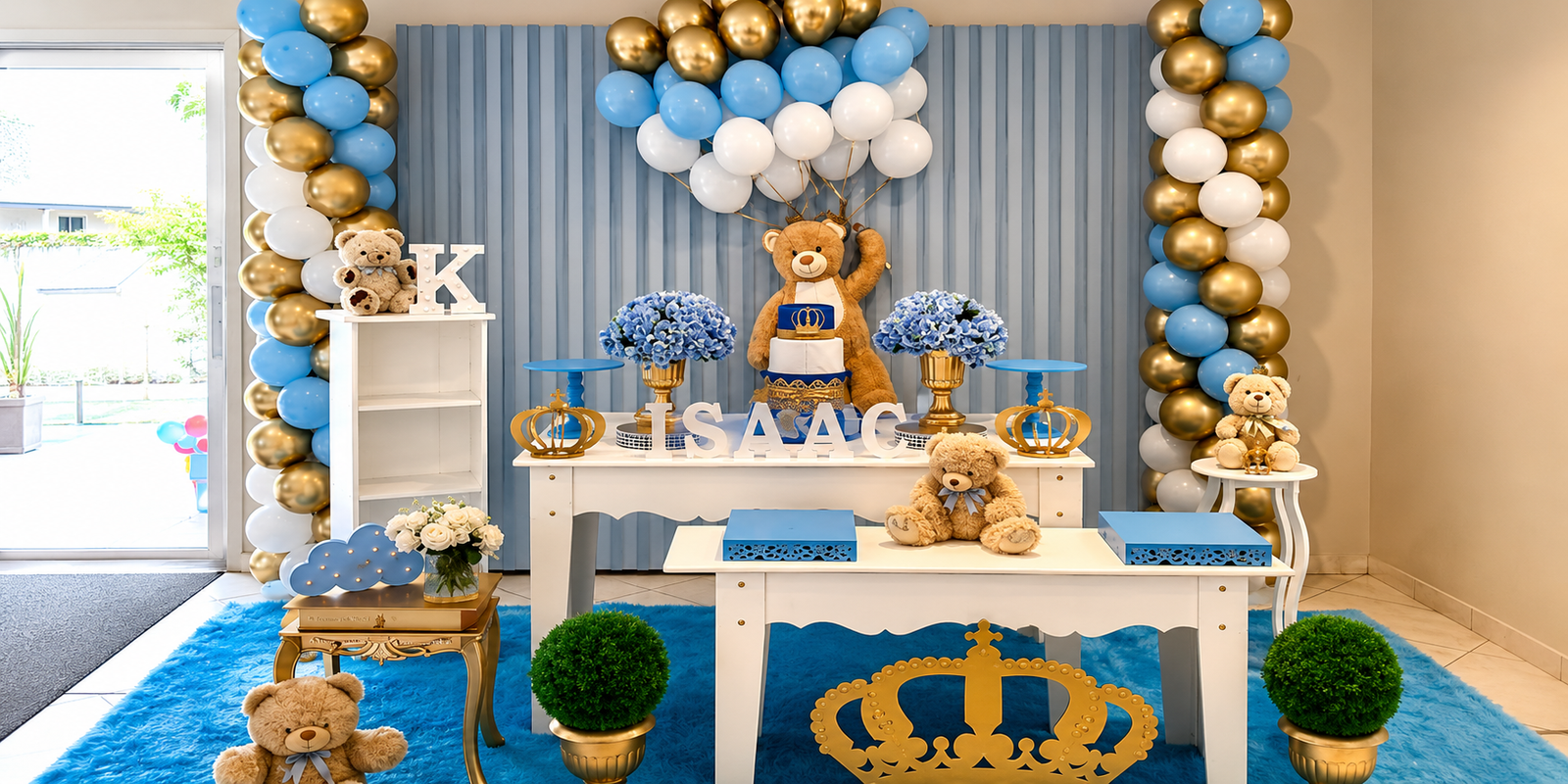
Kid’s nursery or bedroom. Softer, rounder bear designs (think plush-style illustrations rather than realistic wildlife) are extremely popular for nurseries. Parents often layer a bear crib mobile with matching wall decals.
Holiday accents. A lot of people who wouldn’t normally decorate with bears year-round bring them out specifically for Christmas — think a bear-shaped ornament collection or a bear-print throw blanket for the couch during winter.
Office or study with a rustic theme. A small bronze or resin bear bookend, paired with leather-bound books, gives a den or home office a lodge-like, grounded feel without overwhelming the space.
Where it tends not to work: sleek, glass-and-chrome modern apartments, or coastal/beach-themed homes where the aesthetic language just doesn’t match.
Safety, Quality, and Legitimacy — What to Actually Watch For
This is where I think a lot of buying guides gloss over important details, so let’s be specific.
Material safety. If you’re buying anything for a nursery or a home with small children, check for non-toxic paints and finishes, especially on painted wood or resin figurines. Look for certifications or at least clear labeling from the seller — vague listings with no material info are a red flag.
Choking hazards. Small bear-shaped ornaments, buttons, or figurine accessories can be a hazard around toddlers and pets. This sounds obvious, but it’s one of the most common oversights people make when decorating a shared family space.
Weight and stability. Larger statues, particularly resin or concrete garden bears, can be surprisingly heavy and tip-prone on uneven surfaces. Anchor or secure freestanding outdoor pieces if you’re in a windy area or have kids running around.
Seller legitimacy. Bear decor is genuinely popular right now, and that popularity has attracted a fair number of low-quality dropshipping sellers, especially on marketplace apps and social media ads. A few practical checks before buying online:
- Look at actual customer photos, not just staged product images
- Check return policies, especially for anything over $50
- Be cautious of listings with suspiciously few reviews but thousands of “sold” counts
- Compare prices across a couple of retailers — if something is dramatically cheaper than everywhere else, quality is usually why
None of this means the category itself is untrustworthy. It just means, like most home decor purchases, buying smart matters more than buying fast.
Common Problems People Run Into
From what I’ve seen and heard from others who’ve decorated with this theme, a few recurring complaints show up:
- Colors looking different in person than in online photos (lighting in product shots can be misleading)
- Resin statues chipping if dropped or knocked during shipping
- Fabric prints fading faster than expected with direct sunlight exposure
- Struggling to match scale — ordering a statue that turns out too small for the intended space
- Overbuying and ending up with a room that feels more like a theme than a home
Most of these are avoidable with a bit of planning — measuring your space beforehand, reading reviews carefully, and resisting the urge to buy every bear-shaped thing you see in one shopping spree.
How It Compares to Other Woodland or Wildlife Decor Themes
Bears aren’t the only animal motif trending in home design. Here’s a quick comparison:
| Theme | Best For | Feel |
| Bear-themed | Cabins, lodges, nurseries, winter accents | Cozy, rugged, warm |
| Deer/antler motifs | Rustic farmhouse, hunting lodge style | Classic, traditional |
| Fox and woodland creatures | Whimsical nurseries, eclectic spaces | Playful, storybook |
| Owl decor | Bohemian and vintage interiors | Quirky, intellectual |
Bears tend to read as sturdier and more grounded compared to something like fox or owl motifs, which lean whimsical. If your goal is “cozy mountain retreat,” bears are honestly one of the strongest choices available.
A Practical, Experienced Opinion
Having helped a couple of friends decorate cabins and one very ambitious guy who wanted his entire apartment to feel like a “modern hunting lodge,” my honest take is this: it works beautifully when treated as an accent, not a theme takeover.
One well-made bear statue, positioned with intention — by a fireplace, on a bookshelf, near an entryway — does more for a room’s character than five scattered pieces ever will. Quality over quantity applies here just as much as it does in fashion or any other design category.
I’d also say: don’t be afraid to mix realistic and stylized pieces. A geometric low-poly bear sculpture next to a traditional carved wood piece can actually look intentional and modern rather than clashing, as long as the color palette stays consistent.
Final Verdict
Bear decor is a legitimate, well-established design category, not just a fleeting trend, even though its popularity has clearly grown recently. It suits cabin, lodge, farmhouse, and nursery aesthetics particularly well, and it’s flexible enough to work as a single statement piece in almost any home.
The main things to watch for are material safety around kids and pets, realistic expectations about statue weight and shipping durability, and buying from sellers with transparent product photos and reviews. Handled thoughtfully, it’s a genuinely nice way to add warmth and personality to a space without a full redesign.
Explore More Helpful Guides on: Sharemyideaz
FAQs
Q: Is bear decor only suitable for cabin or rustic-style homes?
A: No. While it’s most associated with cabin and lodge aesthetics, bear-themed accents also work well in nurseries, farmhouse interiors, and even eclectic modern spaces if used sparingly as a single statement piece.
Q: Are resin bear statues safe for outdoor use?
A: Most are, as long as they’re specifically labeled weather-resistant or UV-treated. Indoor-only resin pieces left outside can crack or fade within a season.
Q: What’s a reasonable price range for a quality bear statue?
A: Small tabletop figurines typically range from $15–$50, while larger carved wood or cast resin statues can run anywhere from $80 to several hundred dollars depending on size, material, and craftsmanship.
Q: Is it safe to use bear-themed decor in a baby’s nursery?
A: Generally yes, especially soft, stylized designs. Just check for non-toxic finishes on painted items and avoid small detachable parts on anything placed within a baby’s reach.
Q: How do I avoid buying poor-quality bear decor online?
A: Check for real customer photos, read recent reviews carefully, compare prices across a few sellers, and be cautious of listings with vague material descriptions or unusually low prices.
Q: Does bear decor go out of style quickly?
A: It’s held up as a steady presence in rustic and nature-inspired design for years rather than being a short-lived fad, though heavy overuse in a single room can make a space feel dated faster than a balanced, accent-based approach.
