

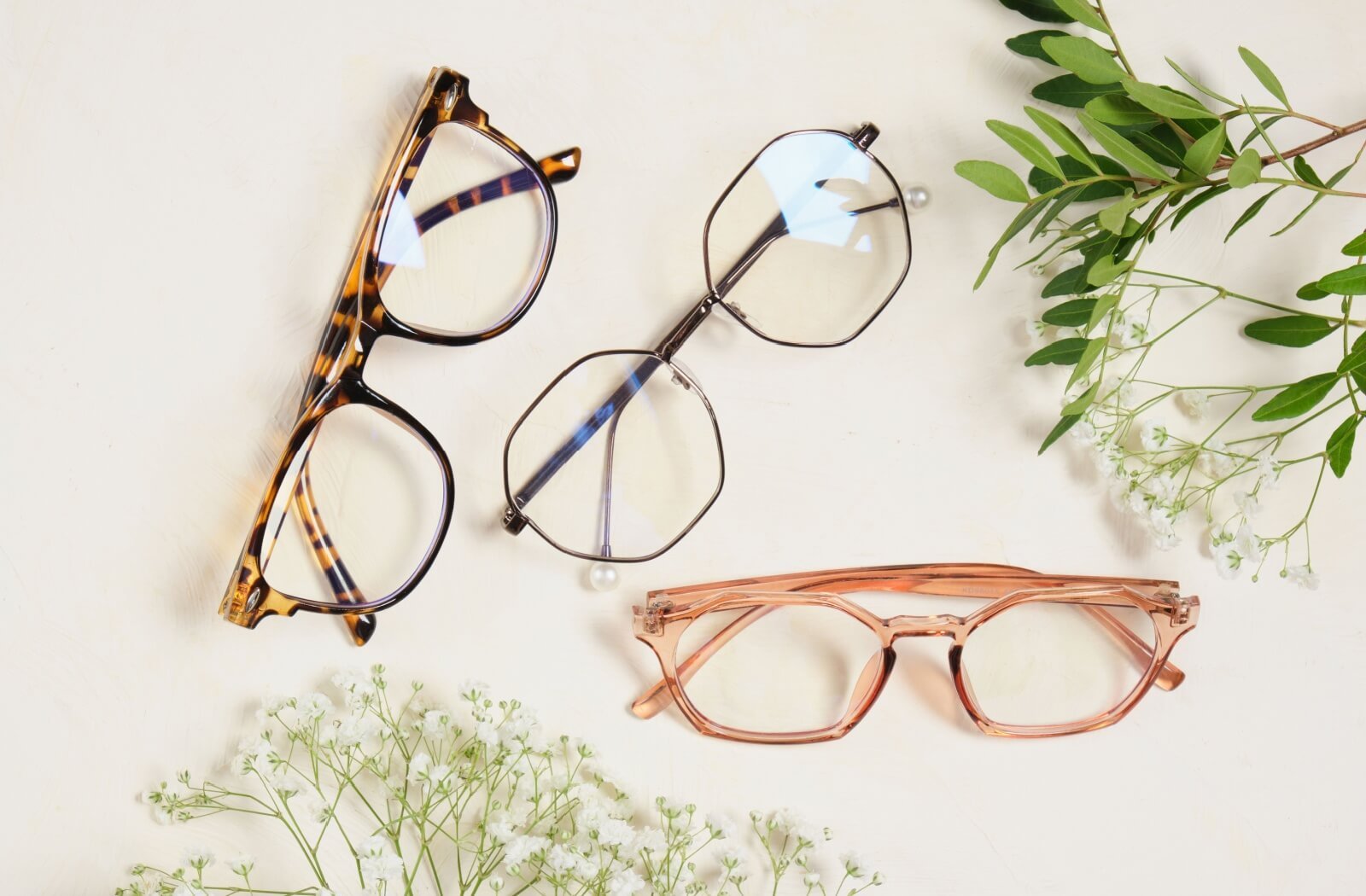
I was standing in line at an optical shop a few weeks back, half-listening to the guy ahead of me ask the optician, “What’s actually in style right now? I don’t want to spend $300 on frames that look dated by next year.” It’s a fair question, and honestly, one I didn’t have a confident answer to myself until I started digging into it properly.
That’s the thing about eyewear — it sits in this weird space between medical necessity and fashion statement. You’re not buying a t-shirt you can toss if it goes out of style. Glasses are an investment, they sit on your face all day, and getting it wrong is expensive and a little embarrassing.
So let’s actually break this down properly.
Quick Answer
Eyeglass fashion trends refer to the shifting styles, shapes, materials, and color choices that define what frames are considered current or desirable at any given time. Right now, that means a mix of bold oversized shapes, retro-inspired round and cat-eye frames, transparent and two-tone acetate, and a growing appetite for unisex, statement-making designs rather than the ultra-thin, forgettable frames that dominated the 2010s. The trend isn’t just about looks — it’s increasingly tied to personalization, sustainability, and how frames work with face shape and lifestyle.
What “Eyeglass Fashion Trends” Actually Means
It’s easy to assume this term is just marketing fluff, but there’s something real underneath it. Eyeglass fashion trends describe how prescription and non-prescription eyewear evolves season to season, influenced by runway fashion, celebrity choices, material innovation, and even social media virality (TikTok has genuinely changed how fast a frame style can blow up).
Unlike sunglasses trends, which lean heavily on novelty, eyeglass trends move a bit slower because people wear the same pair for one to three years on average. That means trend cycles in eyewear are less about chasing the newest thing every month and more about identifying styles with staying power.
What’s driving the current wave isn’t a single designer or brand — it’s a combination of factors:
- A return to maximalism after years of minimalist, barely-there frames
- Increased comfort with glasses as a personality accessory rather than something to hide
- Influencer and celebrity culture normalizing bold frames (think the oversized acetate look popularized by various musicians and actors)
- Sustainable and recycled materials becoming a genuine selling point, not just greenwashing
How It Works (The Mechanics Behind the Trend Cycle)
Trends in eyewear don’t appear randomly. There’s a fairly predictable cycle that mirrors broader fashion:
- Design houses and independent brands experiment with shapes at trade shows like Silmo or Vision Expo.
- Optical retailers and online brands pick up on what’s resonating and stock accordingly.
- Social proof spreads — influencers wear specific shapes, and search interest for terms like “round glasses” or “oversized frames” spikes.
- Mainstream adoption follows roughly 6-18 months later, by which point the style is widely available at every price point, from designer to drugstore.
I noticed this myself with the chunky, almost geometric frame trend — it showed up on a few celebrities in late 2024, felt niche, and by mid-2025 my local Walmart Vision Center had three versions of it on the wall.
Main Features of Current Eyeglass Trends
Here’s what’s actually defining frames right now, broken down by category.
Shapes:
- Oversized rounds and ovals (a nod to ’70s styling)
- Geometric and angular frames, especially hexagons
- Cat-eye, but softer and less exaggerated than the 2016 version
- Rectangular frames making a comeback for a more “intellectual” look
Colors and finishes:
- Tortoiseshell remains a safe, evergreen choice
- Translucent and crystal-clear acetate
- Two-tone frames (different color temples vs. front)
- Muted earth tones — olive, terracotta, warm browns
Materials:
- Bio-acetate and recycled plastics gaining real traction
- Lightweight titanium for those wanting a barely-there feel with durability
- Mixed-material frames combining metal bridges with acetate fronts
Lens trends:
- Blue-light filtering as a near-default add-on for screen-heavy lifestyles
- Photochromic (transition) lenses becoming more stylish and less “obviously medical-looking”
Pros and Cons
No trend is universally good, and eyewear is no exception. Here’s the honest breakdown.
Pros:
- Wider variety means better odds of finding something that suits your actual face shape, not just what’s “in”
- Sustainable materials are improving both ethically and in actual quality
- Increased acceptance of bold eyewear as self-expression means less pressure to “hide” glasses
- More affordable brands are replicating designer trends quickly, so style doesn’t always mean a high price tag
Cons:
- Trend-chasing can lead to buyer’s remorse — a wildly oversized frame might feel exciting in-store and impractical six months later
- Fast-fashion eyewear brands sometimes sacrifice lens quality or frame durability for style
- Not every trending shape is flattering or functional for every face shape or prescription strength (strong prescriptions in oversized frames can get heavy and create lens distortion at the edges)
- Some “trendy” frames prioritize aesthetics over things like proper nose bridge fit, leading to slipping or pressure marks
Real-World Examples and Use Cases
A friend of mine who works in graphic design switched to a pair of translucent amber acetate frames last year — partly because she liked the look, partly because her job is visual and she wanted something that felt intentional rather than purely functional. She’s mentioned it gets compliments constantly, but she also admitted the frames are slightly heavier than her old pair and she notices it by late afternoon.
On the flip side, I’ve talked to people in more conservative workplaces — law, finance — who lean toward the rectangular or slightly rounded frames specifically because they read as “stylish but not distracting.” That’s a real use case: trend-awareness doesn’t mean going maximalist, it can mean choosing the most current version of a classic shape.
Students and younger buyers, especially through brands selling primarily online, tend to gravitate toward bolder statement frames since there’s less workplace pressure to stay neutral.
Safety, Legitimacy, and Privacy Considerations
This is where I’d push back a little on blind trend-following. A few things worth knowing:
- Prescription accuracy matters more than style. A trendy frame with a poorly fitted or incorrectly ground lens isn’t doing your eyes any favors. Always prioritize a proper eye exam and accurate measurements (pupillary distance especially) over chasing a look.
- Cheap trend-replica frames from unregulated online sellers can have inconsistent lens quality, poor UV protection on photochromic lenses, or frames that warp quickly. If a deal seems too good for designer-style frames, it’s worth checking reviews carefully.
- Virtual try-on tools, now common on most eyewear retail sites, are genuinely useful but not perfect — they tend to underestimate how a frame’s weight and proportions feel in person.
- Eyewear isn’t typically a data privacy concern in the way other tech products are, though some virtual try-on apps do use facial scanning data, so it’s reasonable to check a retailer’s privacy policy if that matters to you.
Common Problems and Limitations
A few recurring complaints I’ve come across in reviews and conversations:
- Oversized frames can distort peripheral vision slightly, especially with higher prescriptions
- Trend cycles move faster than people’s replacement schedules, so frames can feel “dated” before they’re worn out
- Online-only trend brands sometimes have limited or confusing return policies for prescription lenses
- Bold colors and patterns can clash with certain skin tones or face shapes if chosen purely because they’re popular rather than because they actually suit the wearer
How It Compares to Just Buying “Classic” Frames
If you’re someone who hates this whole conversation and just wants glasses that work, classic frames (simple rectangle, thin metal, or basic acetate in black/tortoise) remain a completely valid choice. They’re rarely “wrong,” they’re easy to match with any wardrobe, and they don’t require thinking about eyeglass fashion trends at all.
The trade-off is that classic frames can read as forgettable, and if you’re someone who wants your glasses to say something about you — sharp, retro, professional, artsy — leaning into current trends gives you more options to actually express that.
Honestly, most people land somewhere in the middle: a slightly updated version of a classic shape, in a color or material that nods to what’s current without going fully into statement-piece territory.
My Practical Take
If I’m being straightforward about this — chasing every eyewear trend is a waste of money for most people. Glasses are functional first. That said, completely ignoring trends means you might end up with frames that, while “safe,” don’t actually suit your face or feel current at all.
My honest recommendation: pick one or two trend elements (a color, a slightly bolder shape) and pair them with proven, comfortable fit basics — adjustable nose pads, lightweight materials, accurate prescription fitting. That gives you something that feels current without being a gamble.
I’d also say don’t underestimate trying frames in person at least once, even if you ultimately buy online. Photos and virtual try-ons genuinely don’t capture how a frame sits on your specific face.
Final Verdict
Eyeglass fashion trends are real, they’re driven by genuine shifts in materials, shapes, and cultural attitudes toward glasses as an accessory — and they’re worth paying some attention to, but not worth obsessing over. The smartest approach treats trends as a starting point for inspiration, not a rulebook. Function, fit, and how a frame actually makes you feel when you put it on should always outrank what’s currently trending on social media.
Learn More About Blogs On Sharemyideaz
FAQs
Q: What eyeglass shapes are trending right now?
A: Oversized round and oval frames, geometric hexagon shapes, soft cat-eye styles, and rectangular frames are currently among the most popular, with tortoiseshell and translucent acetate as leading color choices.
Q: Are trendy glasses worth the extra cost?
A: It depends on the brand and material quality more than the trend itself. A well-made trendy frame from a reputable optical retailer is a reasonable investment; an unbranded “dupe” from an unregulated seller may sacrifice lens or frame quality.
Q: How often do eyeglass trends actually change?
A: Eyewear trend cycles typically shift every one to two years, slower than apparel trends, since most people keep a pair of glasses for one to three years before replacing them.
Q: Can trendy frames work with a strong prescription?
A: Yes, but oversized or heavily curved frames can cause lens thickness and distortion issues with strong prescriptions. High-index lenses and proper fitting help minimize this.
Q: Where can I find legitimate information on current eyeglass fashion trends?
A: Reputable sources include established optical retailers, eyewear trade publications, and reviews from verified buyers rather than unverified social media trend claims alone.
Q: Should I prioritize trends or face shape when choosing glasses?
A: Face shape and comfort should come first. Use current trends as a guide for color, material, or subtle shape updates within a frame style that already suits your features.
