

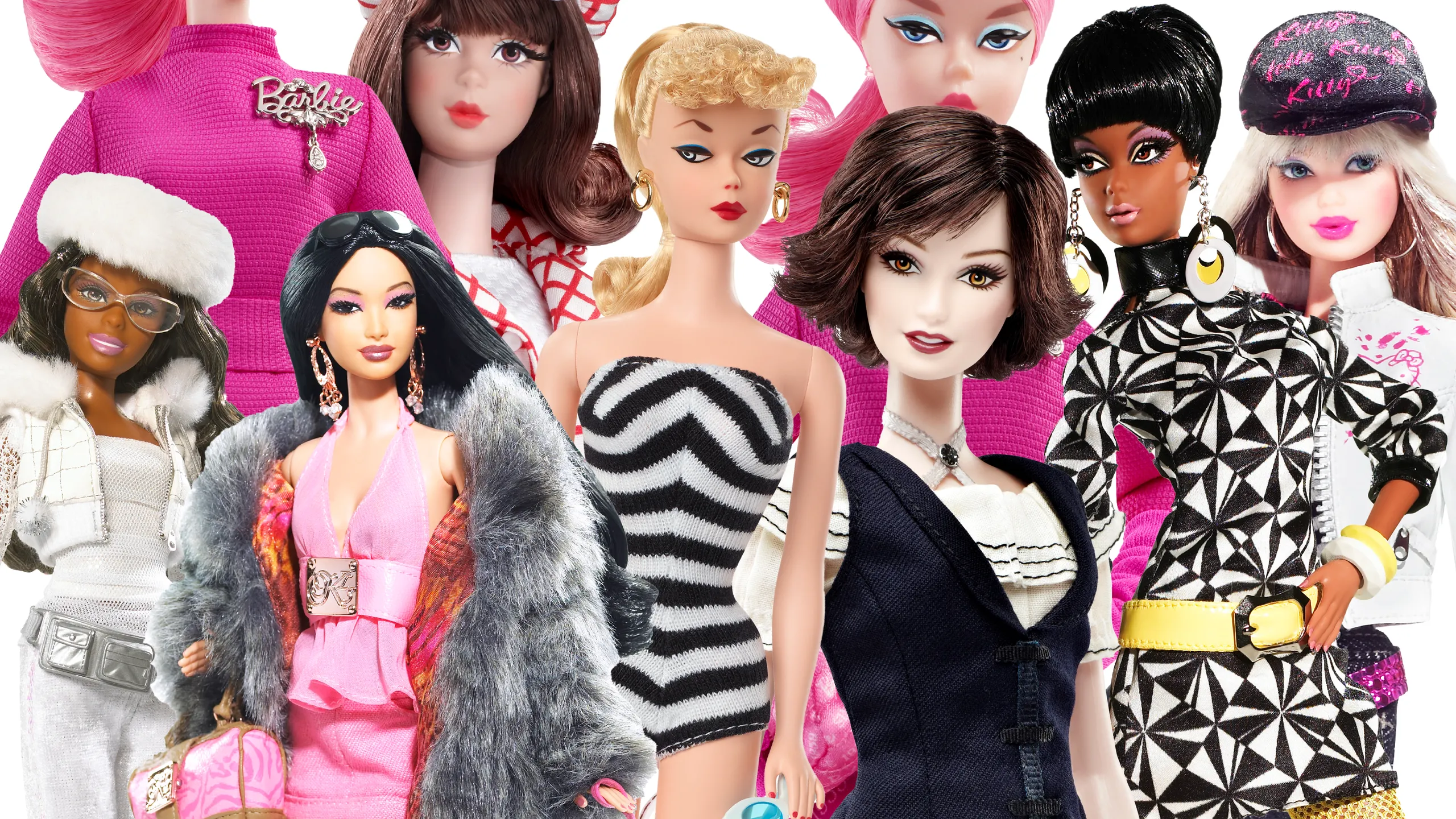
My niece unwrapped one last Christmas, took one look at the tiny shoes that came with it, lost one shoe within four minutes, and then spent the next two hours completely absorbed in dressing and redressing the doll anyway. That’s basically the whole story of this toy in a nutshell — small frustrations, big payoff in actual play value.
If you’re a parent, gift-shopper, or just someone trying to figure out what makes this particular toy category tick (and whether it’s worth the money), here’s the real breakdown.
Quick Answer
A barbie fashion doll is a poseable, roughly 11.5-inch plastic doll designed primarily around clothing, accessories, and styling rather than a single fixed outfit. Made by Mattel, it’s built for imaginative and creative play — kids swap outfits, mix accessories, and create their own looks rather than just holding a static figure. It’s generally considered safe for ages 3 and up, widely available, and a legitimate, decades-old product line rather than some knockoff trend.
What Exactly Is a Barbie Fashion Doll?
Not every Barbie is a “fashion doll” in the strict sense. Mattel actually separates its lineup into a few categories — there are career-themed dolls, dolls tied to movies or shows, collector editions, and then the fashion doll line specifically. The fashion doll versions are built around wardrobe variety as the main selling point. Think rotating outfits, swappable shoes, bags, and sometimes interchangeable hair pieces.
The body itself has stayed remarkably consistent for over 60 years, though Mattel has expanded body types in recent years (curvy, petite, tall) under its Fashionistas line, which is one of the most popular fashion doll sublines right now.
So when someone searches “barbie fashion doll,” they’re usually after one of two things: a basic doll-plus-outfit set for a kid who likes dress-up play, or a specific Fashionistas-style doll known for diverse body types and styling options.
How It Actually Works
There’s no real mechanism here — no batteries, no app pairing in the base versions. The play value comes entirely from physical interaction:
- The doll has jointed arms, legs, and sometimes a rotating waist or knees (depending on the specific model)
- Clothes attach via small snaps, velcro tabs, or simple pull-on fabric
- Accessories like shoes, bags, and hair clips are separate pieces kids manage themselves
- Some sets include a “story” element — a job, a pet, a vehicle — that frames the styling around a scenario
That last point matters more than people expect. A fashion doll without any narrative hook tends to get less play time than one that comes with even a loose theme, like a vet doll with a stethoscope or a doll set with a tiny puppy.
Main Features Worth Knowing About
Here’s what actually differentiates one Barbie fashion doll from another on the shelf:
- Body type variety — original, curvy, petite, and tall builds are now standard across Fashionistas
- Skin tone and hair diversity — modern lines include a wide range of tones, textures, and hairstyles
- Articulation level — basic dolls bend at hips and shoulders; premium “Made to Move” versions bend at over 20 points
- Outfit complexity — ranges from one simple outfit to multi-piece sets with shoes, bags, and jewelry
- Price tier — basic single dolls run cheap, while sets with extra clothing, vehicles, or playsets cost noticeably more
If you’ve ever compared two seemingly identical boxes and wondered why one’s twice the price, it’s almost always the articulation level or the included accessory count.
Pros and Cons
Pros:
- Encourages imaginative, open-ended play rather than scripted toy use
- Wide range of representation in skin tone, body shape, and career roles
- Durable plastic construction that survives years of handling
- Huge secondary market for additional outfits, furniture, and accessories
- Genuinely affordable entry point compared to many modern toys
Cons:
- Small accessories get lost constantly — shoes especially
- Hair on cheaper models can tangle or frizz after a few washes
- Outfit sizing isn’t always consistent across different doll lines, so clothes don’t always swap cleanly
- Some parents have lingering concerns about body-image messaging, even with newer diverse body types
- Limited functionality compared to electronic or interactive toys, which some kids now expect
Real-World Use Cases
A few scenarios where this toy genuinely earns its shelf space:
A parent buying a first doll for a 4-year-old will usually do better with a simpler, more durable model — fewer tiny removable parts, less frustration. The Fashionistas line works here, but a “My First Barbie” style option with sewn-on or simplified clothing tends to survive longer.
For kids around 7-10 who are into styling and creativity, the dressmaker or fashion-design sets pair well with a basic doll, letting them actually design outfits rather than just swap pre-made ones.
Collectors and older hobbyists — and there are a lot of them — often buy specific limited-edition or designer-collaboration dolls purely for display, never intending them for play at all. That’s a legitimate and fairly large slice of the market that casual shoppers sometimes don’t realize exists.
Safety, Legitimacy, and Privacy
This is a real, long-established Mattel product line — not a counterfeit trend or knockoff category, despite how often “Barbie fashion doll” gets used loosely online to describe similar-looking dolls from other brands. If you’re buying, check the box for the actual Mattel branding and look for compliance markings (CPSIA, CE, or similar depending on your region) to avoid counterfeit listings, which do show up on some third-party marketplaces.
On safety specifics:
- Recommended for ages 3+, though small accessories (shoes, tiny bags) pose a choking risk for toddlers under that age or anyone who still mouths objects
- Materials are generally PVC and ABS plastic, both standard and considered safe for toy use under current US and EU toy safety regulations
- No electronic components or batteries in the standard fashion doll lines, so there’s no privacy or connectivity concern at all — that’s really only relevant to Mattel’s separate smart-toy products, which aren’t part of this line
I’d flag the choking-hazard point as the one parents most often underestimate, simply because the doll itself looks big and harmless while the shoes and clips are easy to miss on a carpet.
Common Problems and Limitations
The complaints that show up again and again, across reviews and parent forums, are pretty consistent:
- Hair quality varies a lot by price tier — budget dolls mat and tangle faster
- Joints can loosen over time with heavy play, leading to a doll that won’t stay standing
- Outfits from different sub-lines don’t always fit interchangeably, which annoys kids building a mixed wardrobe
- Packaging waste is a recurring criticism, since multi-piece sets use a lot of plastic ties and inserts
None of these are deal-breakers, but they’re worth knowing before you buy if you’re hoping for a “lasts forever, no maintenance” toy.
How It Compares to Alternatives
Compared to other fashion-doll competitors — say, Rainbow High or Bratz — Barbie tends to sit in the middle on price and slightly ahead on body-type diversity within its own lineup. Rainbow High dolls often lean more dramatic in styling and color, which appeals to a slightly older demographic, while Bratz has historically skewed toward a more stylized, less realistic proportion.
If interactive or tech-driven play is the priority, something like an LOL Surprise unboxing doll or an electronic interactive toy will likely satisfy that need better than any fashion doll — Barbie just isn’t built for that kind of engagement.
Practical, Honest Opinion
Having watched a handful of kids interact with these over the years, the dolls that get the most actual play time aren’t the flashiest collector editions — they’re the basic, durable ones with a simple outfit and decent joint movement. Kids gravitate toward the styling and story-building part, not the box art.
If you’re buying as a gift and unsure which version to pick, lean toward the simpler career or Fashionista-line dolls over elaborate playsets. The playset versions look impressive in photos but often get used once and then sit, while the doll-plus-basic-outfit combo gets reused constantly because it’s flexible enough to fit into whatever scenario the kid imagines that day.
Final Verdict
A barbie fashion doll is a legitimate, well-established toy with genuine play value, particularly for kids drawn to creative, open-ended styling rather than scripted or app-based play. It’s not flawless — lost accessories and inconsistent sizing across sub-lines are real annoyances — but for the price point and durability, it remains one of the more reliable toy categories you can buy without much research. Worth it for most kids in the 4-10 age range who like dress-up or storytelling play; less essential for kids who specifically want tech-driven or highly interactive toys.
Explore more websites like Sharemyideaz
FAQs
Q: What age is a Barbie fashion doll appropriate for?
A: Generally ages 3 and up, though anyone still prone to putting small objects in their mouth should wait, since shoes and accessories are a choking hazard.
Q: Are Barbie fashion dolls made of safe materials?
A: Yes — standard PVC and ABS plastics that meet current US and EU toy safety standards, with no batteries or electronics in the base fashion doll lines.
Q: What’s the difference between a Barbie fashion doll and a regular Barbie?
A: “Fashion doll” specifically refers to lines built around wardrobe variety and styling, like the Fashionistas series, as opposed to career-themed, movie-tie-in, or collector editions that focus on a single fixed look.
Q: Do Barbie outfits fit dolls from other lines?
A: Not always. Sizing can vary slightly between sub-lines (like Fashionistas vs. older classic body types), so some outfits won’t snap or fit cleanly across different doll generations.
Q: Is buying a Barbie fashion doll considered a good gift?
A: For kids who enjoy imaginative or styling-based play, yes — it’s a reliable, durable choice with strong resale and accessory support. For kids who prefer tech or interactive toys, it may not hold attention as long.
Q: Why do Barbie dolls’ joints loosen over time?
A: Repeated bending at the same points wears down the internal joint tension, which is common in well-used dolls after a year or two of heavy play rather than a manufacturing defect.
